

What is Postminimalism?
- Show All
- Established
- Discoveries
- Show All
Artworks Related to Postminimalism
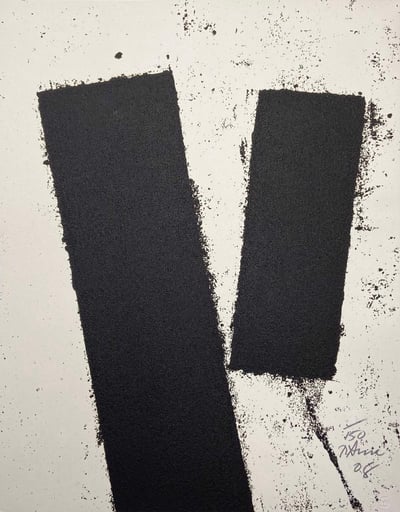
Richard Serra
Promenade Notebook Drawing for Obama, 2008
Limited Edition Print
Etching
Inquire For Price
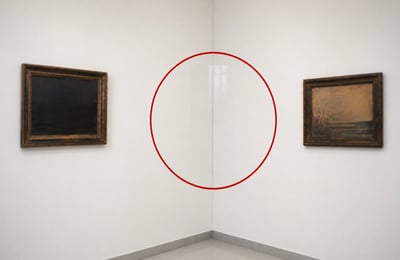
Ann Veronica Janssens
Untitled(Tentoonstelling tussenin / in-between), 1998
Sculpture / Object
Installation
EUR 1,750
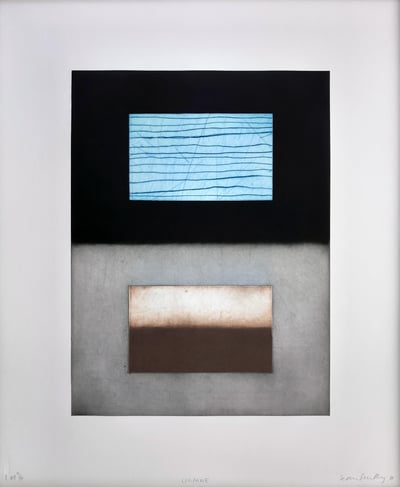
Sean Scully
Liliane 8, 2010
Limited Edition Print
Etching and Aquatint
EUR 5,750
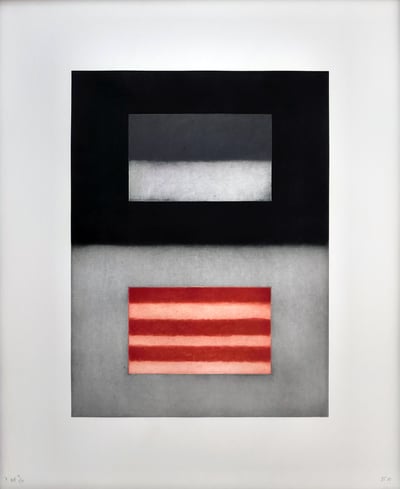
Sean Scully
Liliane 7, 2010
Limited Edition Print
Etching and Aquatint
EUR 5,750
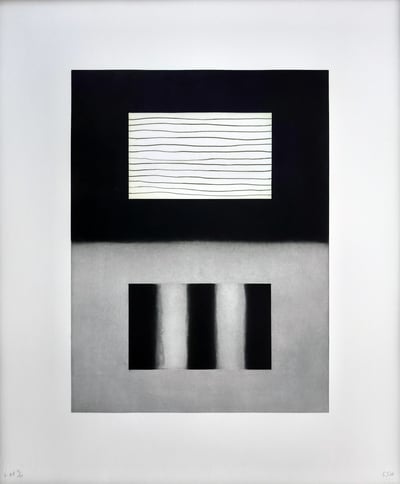
Sean Scully
Liliane 6, 2010
Limited Edition Print
Etching and Aquatint
Currently Not Available
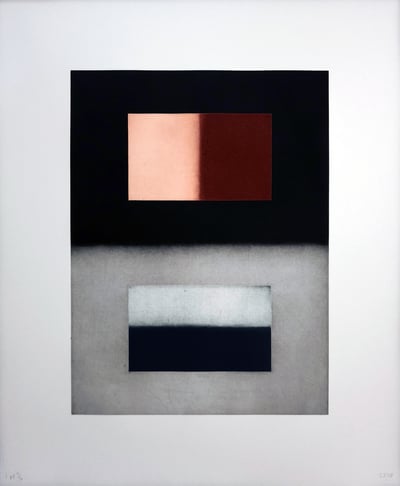
Sean Scully
Liliane 5, 2010
Limited Edition Print
Etching and Aquatint
EUR 5,750
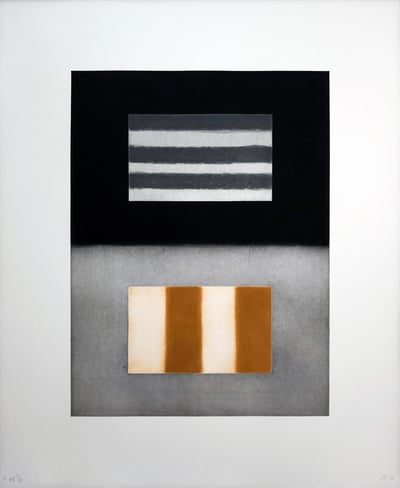
Sean Scully
Liliane 4, 2010
Limited Edition Print
Etching and Aquatint
EUR 5,750
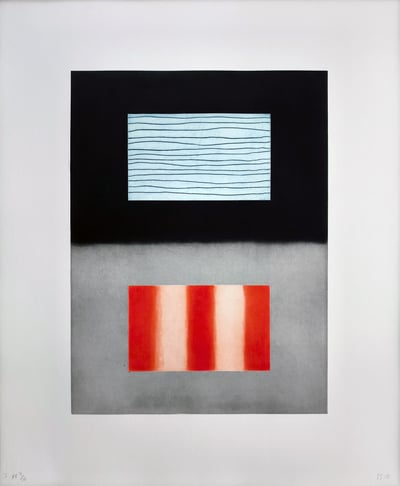
Sean Scully
Liliane 3, 2010
Limited Edition Print
Etching and Aquatint
EUR 5,750
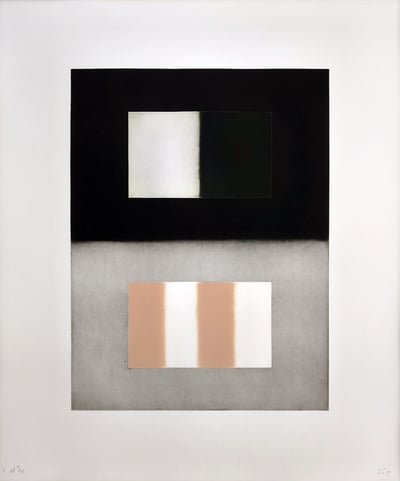
Sean Scully
Liliane 2, 2010
Limited Edition Print
Etching and Aquatint
EUR 5,750

Sean Scully
Liliane 1, 2010
Limited Edition Print
Etching and Aquatint
EUR 5,750

Sean Scully
Paris Black, 2004
Limited Edition Print
Lithograph
GBP 10,000 - 14,000
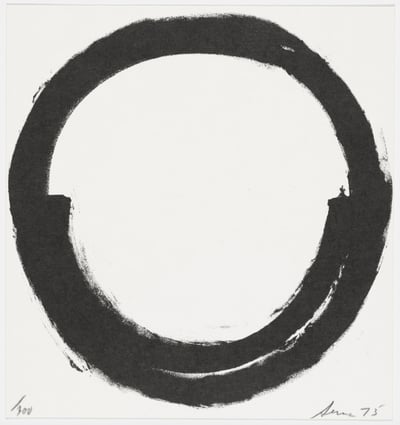
Richard Serra
Untitled from The New York Collection for Stockholm, 1973
Limited Edition Print
Lithograph
GBP 7,500 - 9,750
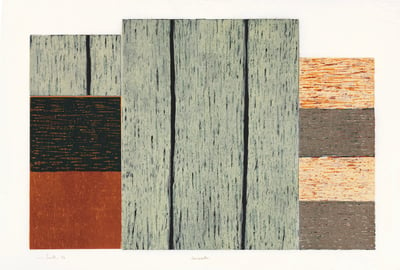
Sean Scully
Conversation, 1986
Limited Edition Print
Woodcut
EUR 14,400
Mel Bochner
Private Listing
Limited Edition Print

Mel Bochner
Blah Blah Blah (Inverse), 2022
Limited Edition Print
Silkscreen
Currently Not Available

Lynda Benglis
Anchor, 2010
Limited Edition Print
Etching
EUR 6,500
Related Articles
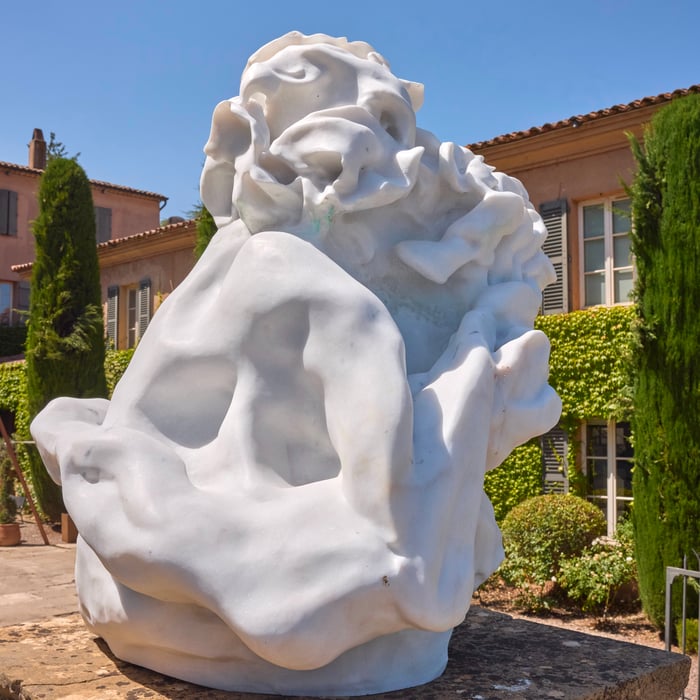

Clay is a natural material formed when rocks break down over time due to weathering. Water carries the fine particles of earth, which accumulate as a soft, sticky substance called muck. This muck is collected, cleaned, and refined by removing impurities like rocks and adding sand to improve its texture, resulting in usable clay.

Live art is a form of performance that began in the 1960s and is generally exploratory and innovative. It involves a single artist or an artist group presenting the work before a live audience. The performances can include humans, animals, and living plants, often blurring the boundaries between art and life, and encouraging interaction with the audience.

The Düsseldorf School of Photography refers to a group of photographers who studied under Bernd and Hilla Becher at the Kunstakademie Düsseldorf during the 1970s. This group was known for its devotion to the black-and-white industrial images characteristic of the German tradition known as New Objectivity. The photographers focused on precise, methodical documentation of industrial structures, often using a detached and objective approach.
Can't find your Answer?
Thank you! Your question has been sent — we'll get back to you shortly.
