

What is the Dusseldorf school of photography?
- Show All
- Established
- Discoveries
- Show All
Artworks Related to Dusseldorf school of photography
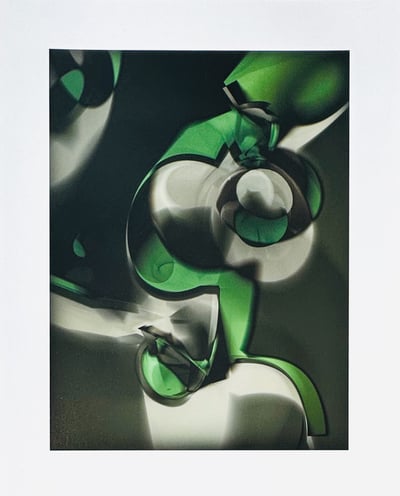
Thomas Ruff
phg.s.01, 2012-2020
Photography
C-Print
EUR 1,350
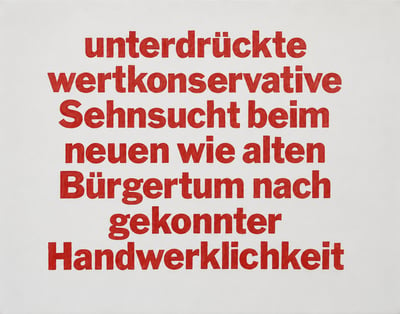
Thomas Demand
Texte zur Kunst, 2010
Limited Edition Print
Offset Print
EUR 780

Thomas Ruff
Untitled #01, 2022/2023
Photography
Photograph
GBP 1,950
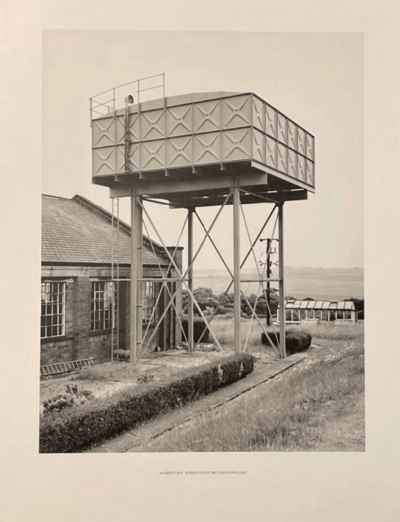
Bernd & Hilla Becher
Wasserturm Kirkhamgate, 1974
Photography
Offset Print
GBP 4,200

Thomas Demand
Ex Libris #9, 2006
Limited Edition Print
Screen-print
EUR 2,400
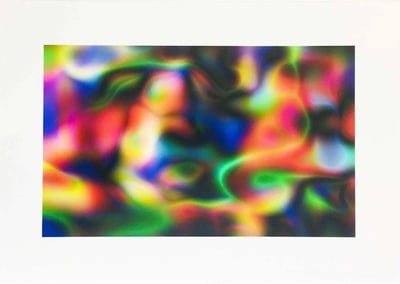
Thomas Ruff
Substrat 21 III, 2003-2019
Photography
C-Print
EUR 1,750

Andreas Gursky
Fotograf, Düsseldorf, 1988
Photography
C-Print
Artwork On Hold

Candida Hofer
Historisch-Geographischer Schul-Atlas, 2009
Photography
C-Print
EUR 1,350
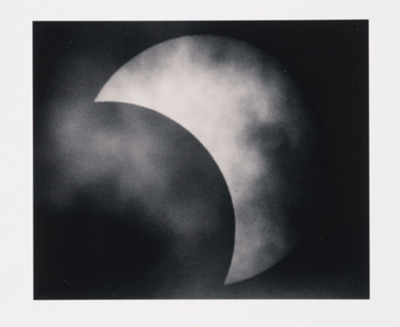
Thomas Ruff
Eclipse, 2004
Limited Edition Print
Photograph
USD 2,550

Thomas Ruff
Q.i.C., 2021
Limited Edition Print
Mixed Media
EUR 1,200

Thomas Demand
Bullion, 2003
Limited Edition Print
Lambda print
EUR 4,250
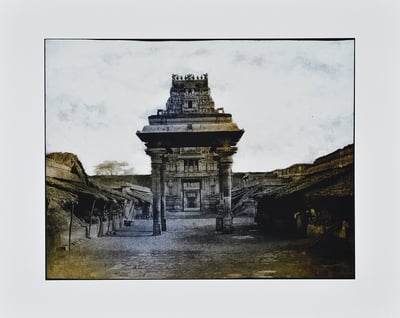
Thomas Ruff
Tripe_12 (Seeringham, Munduppum inside gateway), 2018
Photography
Inkjet print
GBP 1,800

Thomas Ruff
Nudes ree07, 2001
Limited Edition Print
Inkjet print
Currently Not Available
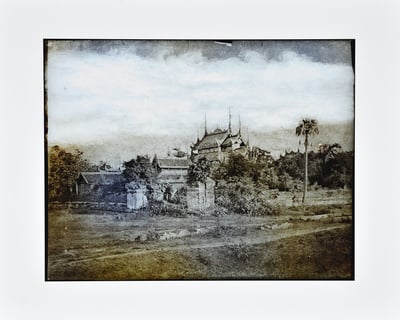
Thomas Ruff
Tripe 09, 2018
Photography
Inkjet print
EUR 2,500 - 3,000

Thomas Ruff
Tripe_08 (Pugahm Myo. Thapinyu Pagoda), 2018
Limited Edition Print
Inkjet print
GBP 1,800

Thomas Struth
Rose, Winterthur, 1991, 1996
Limited Edition Print
Lithograph
Currently Not Available
Related Articles

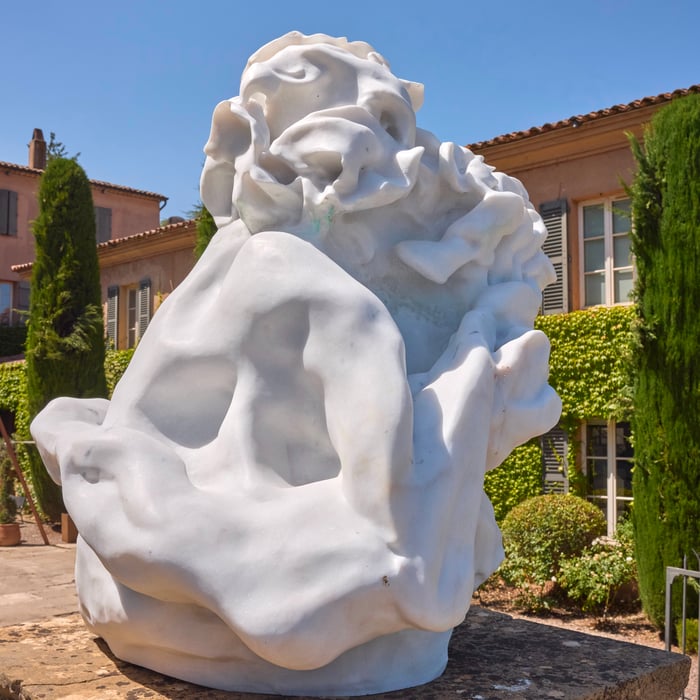
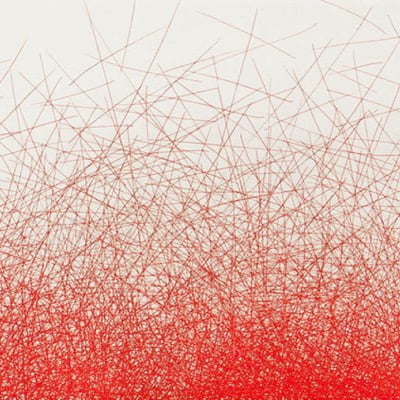
Tansaekhwa, also known as monochrome painting, is a movement in Korean art that began in the mid-1970s. These artworks are characterized by the manipulation of painting materials, such as pushing paint, soaking the canvas, ripping paper, or other techniques that alter the medium. Tansaekhwa emphasizes texture, materiality, and the physical process of creating the artwork.
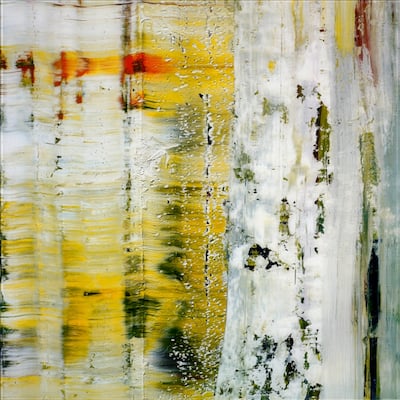
Capitalist Realism is a German form of political pop art that emerged in Cold War-era Berlin in 1963. It sought to challenge the dominance of American pop art in the Western world. The movement blended the ideologies of both pop art and socialist realism, offering a critique of consumer culture and political power.

Xiamen Dada was a Chinese artist group based in Xiamen, a city on China’s southeast coast. Emerging in the 1980s, the group explored the relationship between Chan Buddhism and European Dada, embracing absurdity and the use of chance in the creation of their artworks. Xiamen Dada sought to challenge conventional artistic norms, blending Eastern philosophy with the avant-garde practices of Dada, and became known for their provocative and unconventional approach to art.
Can't find your Answer?
Thank you! Your question has been sent — we'll get back to you shortly.
