

Martine Franck
Martine Franck (Belgium, 1938–2012) was a renowned photographer and member of Magnum Photos. Known for her sensitive portraits and humanitarian focus, her black-and-white images captured the dignity of her subjects, often highlighting the marginalized and everyday moments of life.
© Martine Franck. All rights reserved.
- Recently Added
- Price (Low-High)
- Price (High-Low)
- Year (Low-High)
- Year (High-Low)

Martine Franck
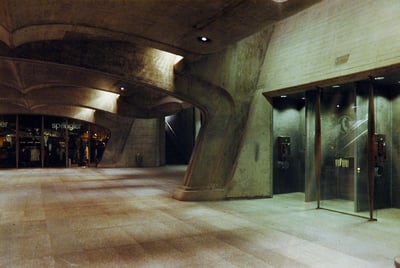
Swimming pool (by Alain Capeilleres), 1976
Photography
Photograph
Currently Not Available
No sold works to show.
Martine Franck was a Belgian photographer who spent much of her life in France. She excelled at the documentary and portrait photography styles, and was a renowned, influential artist. Her love of art began with her father, who was an art collector. Martine Franck began independently studying art history while in high school, and the frequent trips she took with her father to museums and galleries during her childhood fueled her desire to become an art curator. After studying art history at France's Ecole du Louvre and the University of Madrid, Martine Franck ventured into photography. After working as an assistant photographer at Time-Life, she honed her skill as a freelance photographer for notable magazines, photo agencies, and venues. She held the distinction of being one of very few women to become a full member of the Magnum photographic cooperative. Martine Franck preferred to shoot in black and white, and her photographs have been collected into several books. The subjects of her documentary pieces include notable cultural figures, as well as people representing marginalized groups. In 2003, Martine Franck helped found the Henri Cartier-Bresson Foundation in honor of her husband, photographer Henri Cartier-Bresson.
Related Artists


Related Articles

Art Movements - September 15, 2025
Documenting the Undocumented: Photography as Social Commentary
Explore how artists like Nan Goldin and Thomas Ruff use photography to challenge norms, reveal hidden truths, and reframe cultural narratives.Read More
News, Popular, Collecting, Artists - August 12, 2026
In Minor Keys: Finding Intimacy and Identity at the 61st Venice Biennale — and in Your Collection
Explore how Koyo Kouoh’s 61st Venice Biennale vision, In Minor Keys, is shifting contemporary collecting toward quiet introspection, memory, and personal identi…Read More
 Artwork by Roy Lichtenstein
What is late modernism?
Late Modernism refers to the continuation and evolution of Modernist principles in art, architecture, and literature from the mid-20th century into the late 20th century. This movement maintains a focus on form, abstraction, and the rejection of traditional styles, but it often incorporates more complexity and ambiguity compared to early Modernism. Late Mode…
Explore »

