

Paloma Varga-Weisz
Paloma Varga-Weisz (Germany, 1966) is a sculptor and painter recognized for her surreal, figurative works that blend historical and fantastical elements. Using wood, plaster, and watercolor, she creates eerie, often enigmatic figures that explore human vulnerability and transformation, marking her as a distinct voice in contemporary European art.
© Paloma Varga-Weisz. All rights reserved.
- Recently Added
- Price (Low-High)
- Price (High-Low)
- Year (Low-High)
- Year (High-Low)
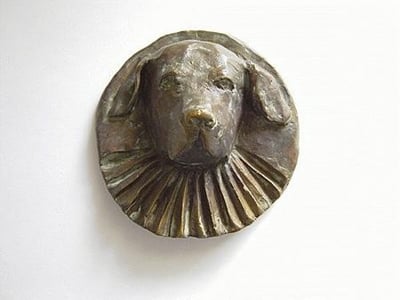
Paloma Varga-Weisz
Spike, 2007
Sculpture / Object
Bronze
Currently Not Available
No sold works to show.
The silence in the wide, well-structured studio space has almost something
sacred.
- Paloma Varga-Weisz
sacred.
- Paloma Varga-Weisz
Paloma Varga-Weisz (b. 1966, Germany) is a German artist known for her evocative work in sculpture, drawing, and installation art. Her practice is characterized by a deep engagement with themes of identity, transformation, and the human condition, often expressed through figurative forms that blend the surreal with the familiar. Varga-Weisz's sculptures, typically carved from wood or cast in bronze, evoke a sense of timelessness, merging classical techniques with contemporary themes. Her work frequently explores the boundaries between reality and the imaginary, creating haunting, enigmatic figures that invite introspection. Influenced by her background in traditional woodcarving and her fascination with mythology and folklore, Varga-Weisz’s art has been widely exhibited, with her works held in major collections such as the Tate Modern in London and the Museum of Modern Art in New York.
Related Artists

Related Articles
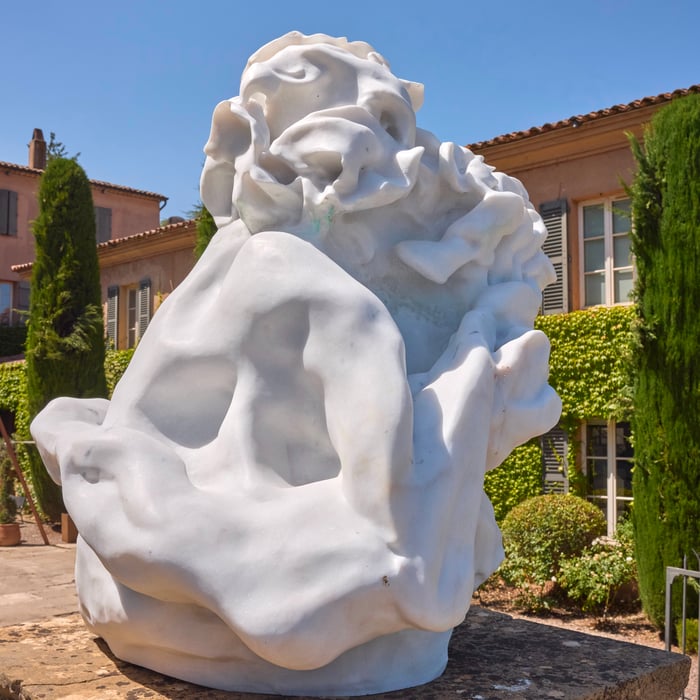
News, Popular, Collecting, Artists - August 12, 2026
In Minor Keys: Finding Intimacy and Identity at the 61st Venice Biennale — and in Your Collection
Explore how Koyo Kouoh’s 61st Venice Biennale vision, In Minor Keys, is shifting contemporary collecting toward quiet introspection, memory, and personal identi…Read More

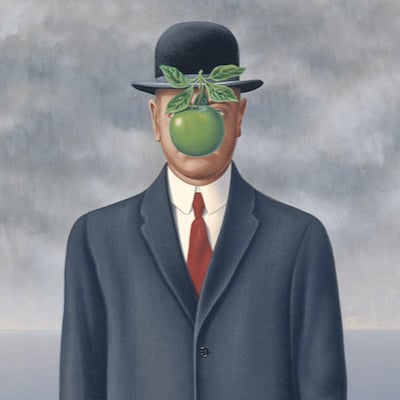 Artwork by Rene Magritte
What is Surrealism?
Surrealism began in the 1920s as an art and literary movement with the goal of revealing the unconscious mind and unleashing the imagination by exploring unusual and dream-like imagery. Influenced by Sigmund Freud’s theories of psychoanalysis, Surrealist artists and writers sought to bring the unconscious into rational life, blurring the lines between realit…
Explore »

