
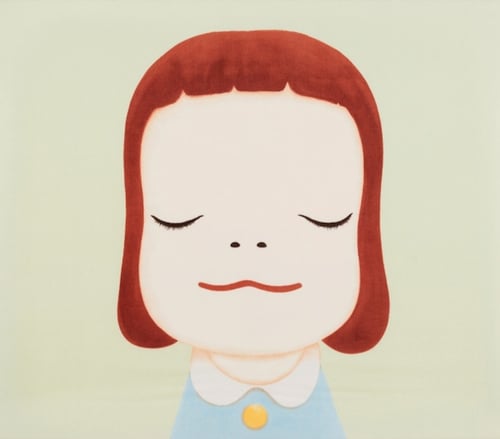
Yoshitomo Nara
© Yoshitomo Nara. All rights reserved.
Yoshitomo Nara
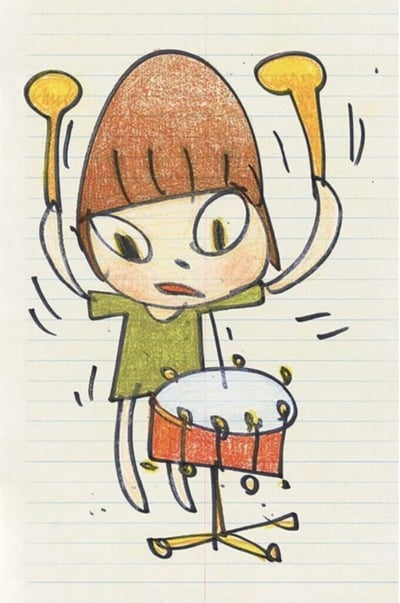
Banging The Drum, 2020
Limited Edition Print
Offset Print
GBP 1,800

Yoshitomo Nara
Days 2014-2018: Sixteen springs and sixteen summers gone-Take your time, it won’t be long now, 2018
Sculpture / Object
Mixed Media
EUR 3,500 - 5,000

Yoshitomo Nara
Days (2014-18), 2018
Limited Edition Print
Pigment print
GBP 9,950

Yoshitomo Nara
Marching on a Buttefbur Leaf, 2019
Limited Edition Print
Offset Print
EUR 1,650

Yoshitomo Nara
Doggy Radio, 2011
Sculpture / Object
Mixed Media
EUR 4,650

Yoshitomo Nara
Mini Mori Girl, 2012
Sculpture / Object
Mixed Media
GBP 6,600
Yoshitomo Nara
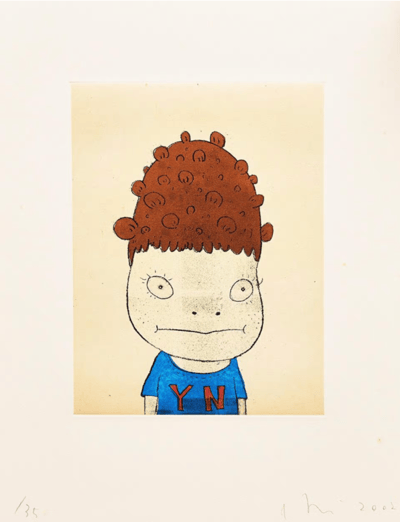
Y.N. (Self-Portrait), 2002
Limited Edition Print
Intaglio
Inquire For Price

Yoshitomo Nara
WOW (Works on Whatever) Project beach towel, 2010
Tapestry
Digital print on canvas
USD 12,000

Yoshitomo Nara
Cosmic Girl, 2008
Limited Edition Print
Offset Print
GBP 15,900

Yoshitomo Nara
Little Wanderer, 2003
Sculpture / Object
Mixed Media
GBP 3,950
Yoshitomo Nara
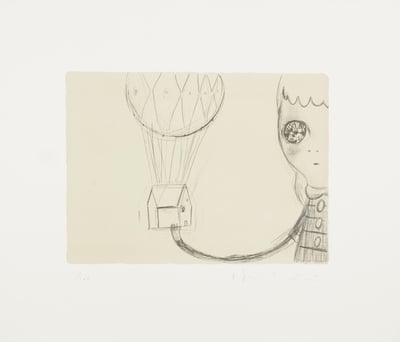
Omaha, 2015
Limited Edition Print
Lithograph
EUR 16,500
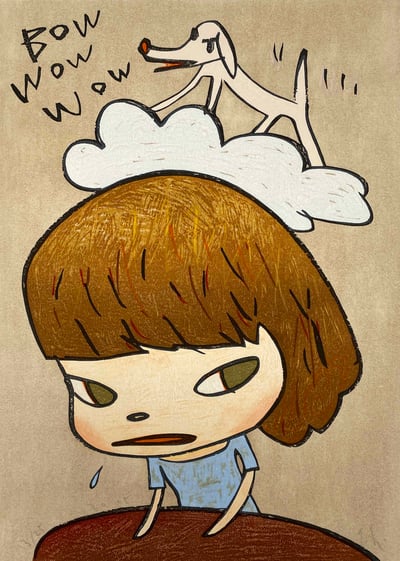
Yoshitomo Nara
Bow Wow Wow, 2015
Limited Edition Print
Woodcut
Currently Not Available

Yoshitomo Nara
Miss Spring, 2021
Limited Edition Print
Digital Print on paper
Currently Not Available
- Yoshitomo Nara
Related Artists

Related Articles

Popular, Art Movements - October 22, 2025
Neo-Pop Art in the 21st Century: From Takashi Murakami to KAWS
Explore Neo-Pop Art with Murakami, KAWS, Kusama & more. Bold, playful, and collectible—this movement fuses pop culture with fine art today.Read More

 Artwork by Andy Warhol
What is pop-art?
Pop Art is an art movement that began in Britain in 1955 and in the late 1950s in the U.S. It challenged traditional fine arts by incorporating imagery from popular culture, such as news, advertising, and comic books. Pop Art often isolates and recontextualizes materials, combining them with unrelated elements. The movement is more about the attitudes and id…
Explore »

