

What is Superflat?
Artworks Related to Superflat
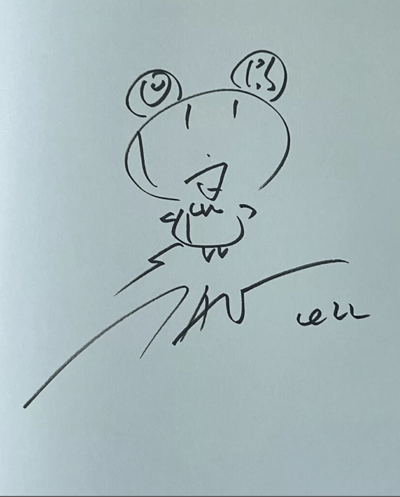
Takashi Murakami
Mr DOB, 2022
Drawing / Watercolor
Ink
GBP 15,000 - 19,500
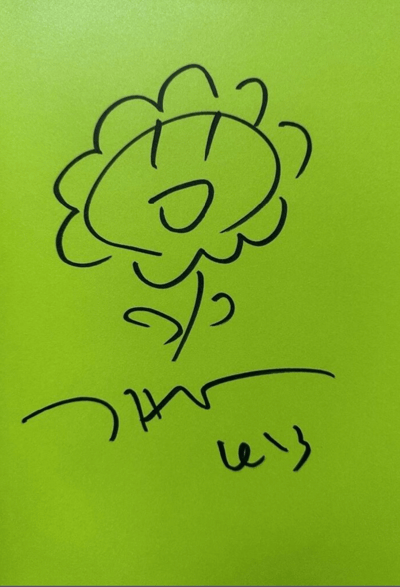
Takashi Murakami
Untitiled (Mr DOB), 2023
Drawing / Watercolor
Ink
GBP 17,500 - 22,700
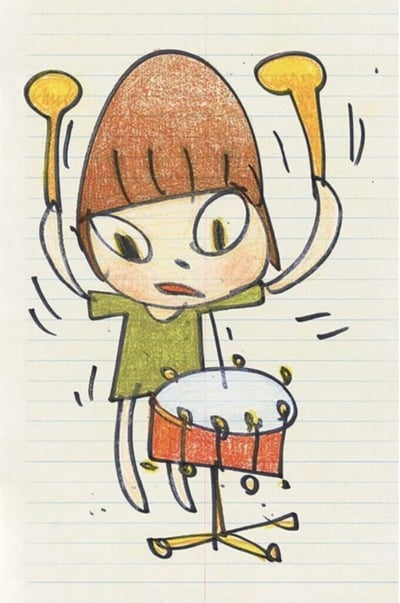
Yoshitomo Nara
Banging The Drum, 2020
Limited Edition Print
Offset Print
GBP 1,800
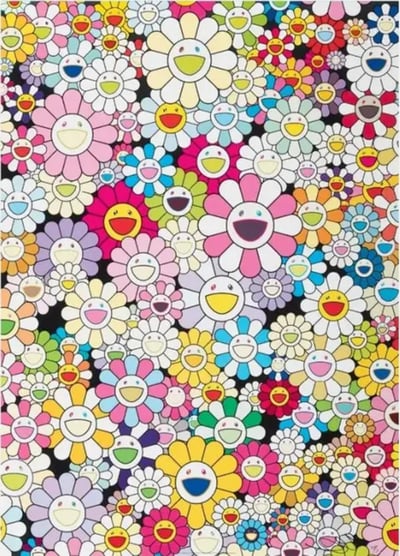
Takashi Murakami
Homage to Yves Klein, Multicolor A, 2012
Limited Edition Print
Offset Print
GBP 2,750 - 3,500
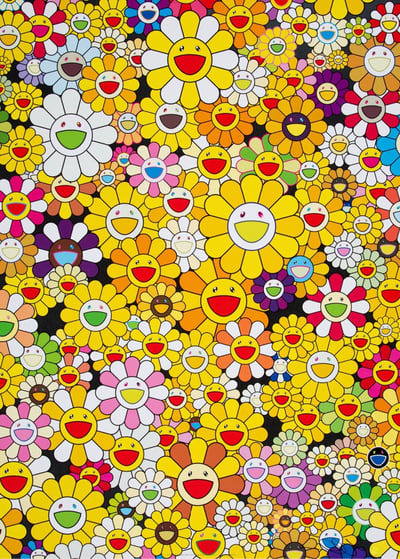
Takashi Murakami
An Homage to Monogold, 1960 A, 2012
Limited Edition Print
Offset Print
GBP 2,250 - 2,900
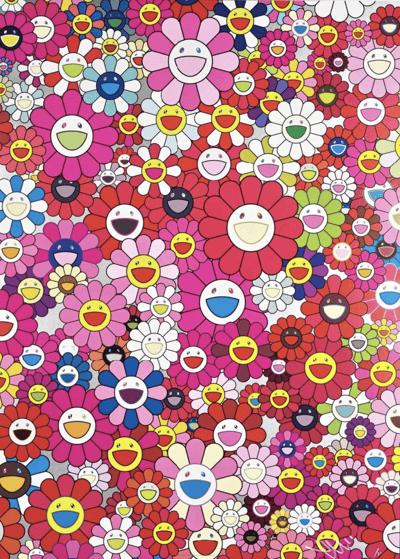
Takashi Murakami
Homage to Monopink, 1960 A, 2012
Limited Edition Print
Offset Print
GBP 2,250 - 2,900
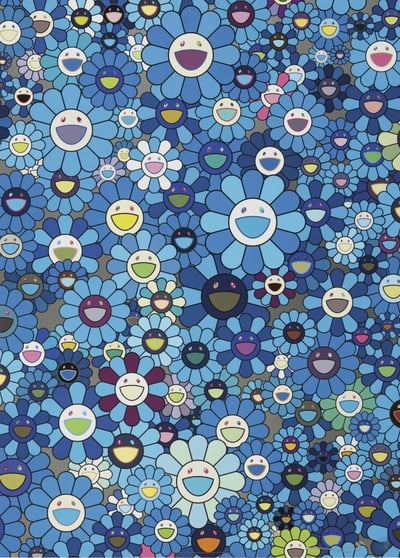
Takashi Murakami
An Homage to IKB, 1957 A, 2012
Limited Edition Print
Offset Print
GBP 2,500 - 3,200
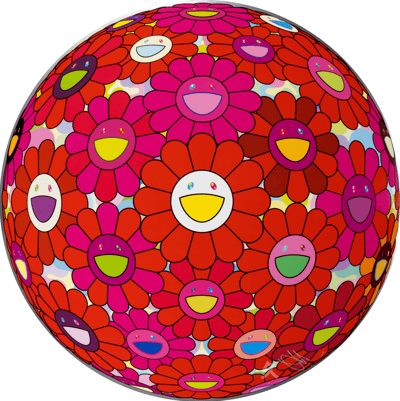
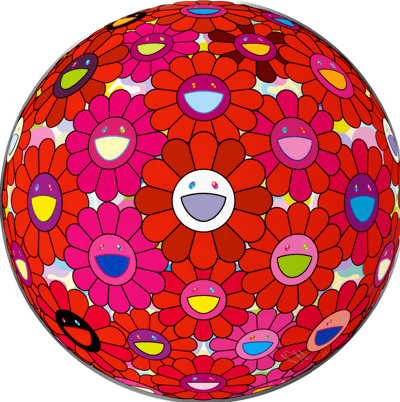
Takashi Murakami
Flowers of Gratitude, 2022
Limited Edition Print
Lithograph
GBP 1,800
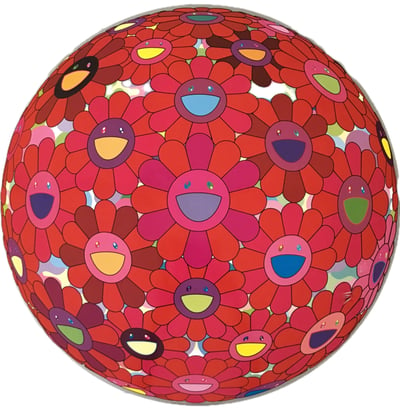
Takashi Murakami
Inside the Soul, 2022
Limited Edition Print
Offset Print
GBP 1,800
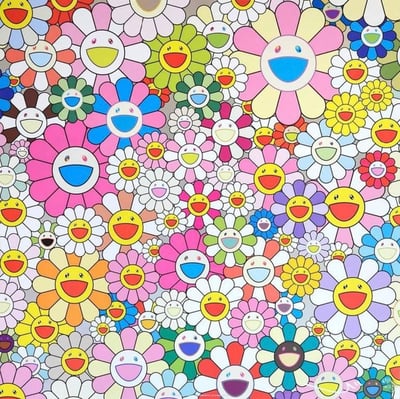
Takashi Murakami
Let Us Devote Our Hearts, 2022
Limited Edition Print
Offset Print
GBP 1,700
Takashi Murakami
Flower Smile, 2011
Limited Edition Print
Offset Print
GBP 3,000 - 4,000
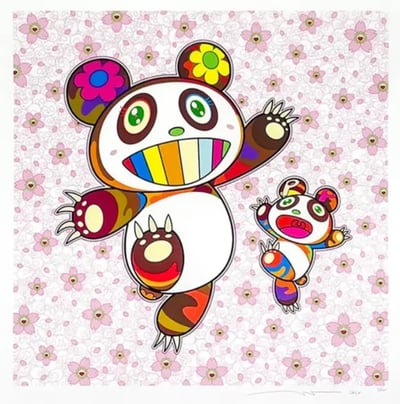
Takashi Murakami
Panda Mother and Baby in a Flurry of Cherry Blossom Petals, 2024
Limited Edition Print
Silkscreen
GBP 4,000 - 5,800
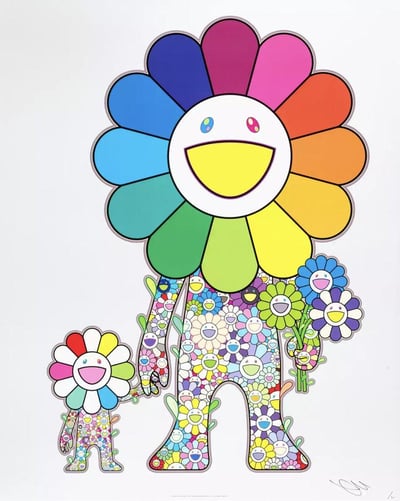
Takashi Murakami
Flower Parent and Child, 2021
Limited Edition Print
Offset Print
GBP 3,000 - 4,500
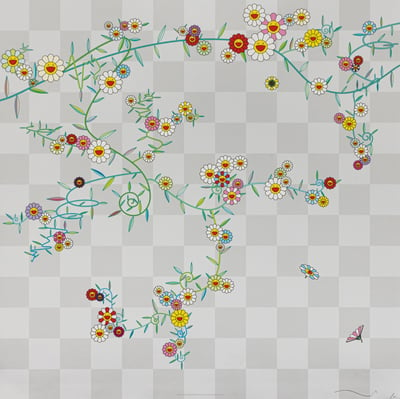
Takashi Murakami
CUBE 2, 2001
Limited Edition Print
Offset Print
GBP 1,950 - 2,500
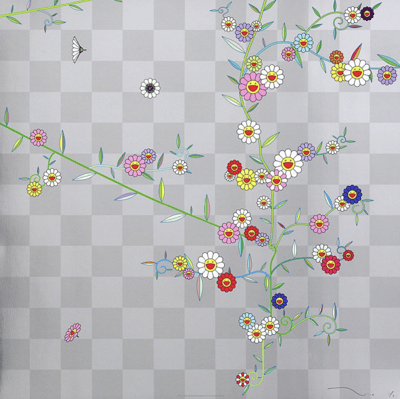
Takashi Murakami
Cosmos, 2000
Limited Edition Print
Offset Print
GBP 1,950 - 2,500
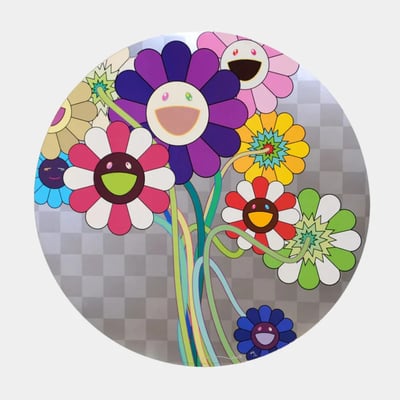
Takashi Murakami
Purple Flowers in a Bouquet, 2010
Limited Edition Print
Offset Print
GBP 1,950 - 2,500
Related Articles


Graffiti art refers to drawings and writings that are painted, scratched, or scribbled on walls or other surfaces, typically in public spaces. This art form ranges from small tags to elaborate wall paintings. Graffiti has been in existence since ancient times, with examples dating back to the Roman Empire, Ancient Greece, and Ancient Egypt.

Art Intervention refers to art created with the intention of interacting with an existing situation, structure, artwork, audience, or institution. This form of art gained popularity in the 1960s as artists sought to provoke change within political and social contexts. The concept of Artist-in-Residence programs was influenced by the ideas and practices of this movement.

Sometimes known as Figurativism, figurative art refers to sculptures and paintings that are clearly or specifically derived from real objects, making them representational. The term figurative art is often used in contrast to abstract art. However, since the emergence of abstract art, figurative art has come to describe any form of modern art that has strong references to the real world or actual situations.
Can't find your Answer?
Thank you! Your question has been sent — we'll get back to you shortly.
