

What is Art Intervention?
Artworks Related to Art Intervention
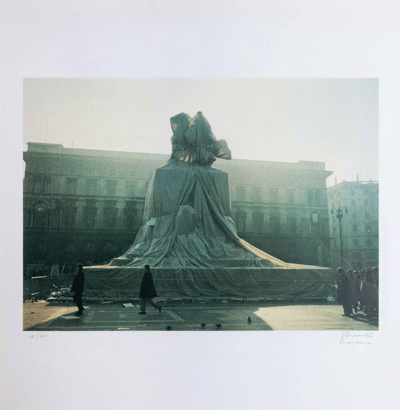
Javacheff Christo
Wrapped Monumento to Vittorio Emanuele, Piazza del Duomo, 1970
Limited Edition Print
Photograph
EUR 2,400
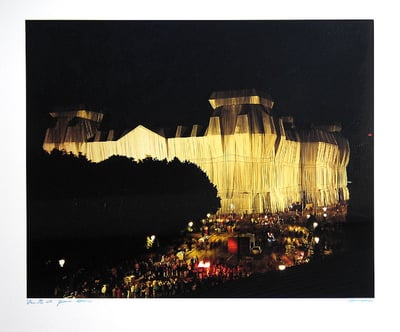
Javacheff Christo
Reichstag/Berlin Nacht, Wrapped, 1995
Limited Edition Print
Photograph
EUR 10,000
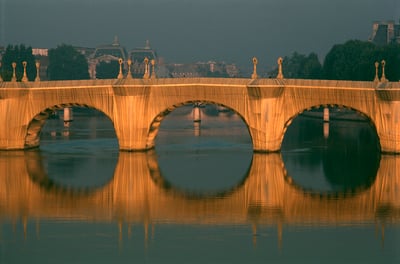
Javacheff Christo
The Pont Neuf Wrapped Reflecting Bridge PN-150, 1985
Limited Edition Print
Photograph
EUR 14,000
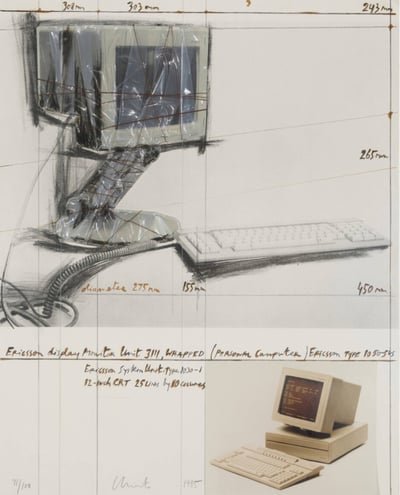
Javacheff Christo
Ericsson Display Monitor Unit 3111, Wrapped, Project for Personal Computer, 1985
Limited Edition Print
Lithograph
USD 12,000

Javacheff Christo
Package on Wheelbarrow (project), 1963-2000
Drawing / Watercolor
Crayon
Inquire For Price

Javacheff Christo
Wrapped Woman, 1973
Limited Edition Print
Screen-print
USD 2,690

Javacheff Christo
Texas Mastaba, Project For 500,000 Stacked Oil Drums, 1971
Limited Edition Print
Lithograph
USD 1,550
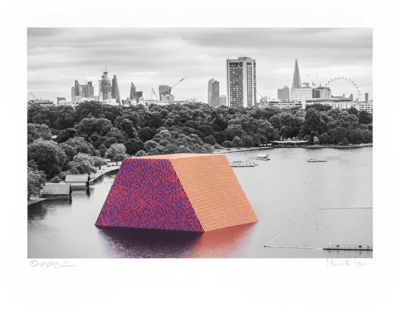
Javacheff Christo
The London Mastaba, 2018
Photography
Giclée printing
GBP 3,300

Javacheff Christo
Wrapped Statues, Sleeping Fawn, Project for the Glyptothek, 2001
Limited Edition Print
Mixed Media
EUR 9,000
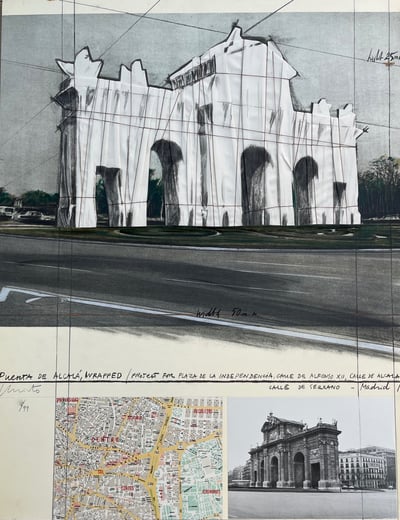
Javacheff Christo
Puerta de Alcalá, Wrapped; Project for Madrid, 1981
Limited Edition Print
Lithograph
Currently Not Available

Javacheff Christo
Documenta Kassel KA-D68, 1968
Photography
Inkjet print
EUR 4,400
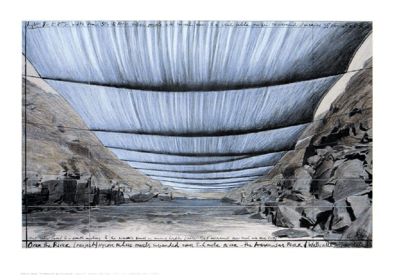
Javacheff Christo
Over The River Project V Under, 1992
Limited Edition Print
Offset Print
USD 1,450

Javacheff Christo
Over The River Project V, 1992
Limited Edition Print
Offset Print
USD 1,400
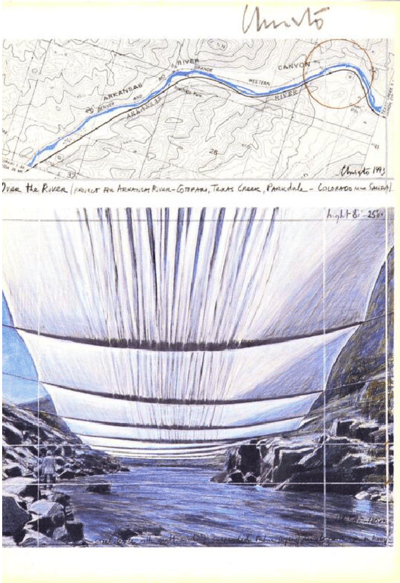
Javacheff Christo
Over The River Project IV, 1993
Limited Edition Print
Offset Print
USD 1,400

Javacheff Christo
Over The River Project III, 1993
Limited Edition Print
Offset Print
USD 1,400

Javacheff Christo
Wrapped Trees Portfolio, 1997-1998
Limited Edition Print
Photograph
EUR 15,500
Related Articles
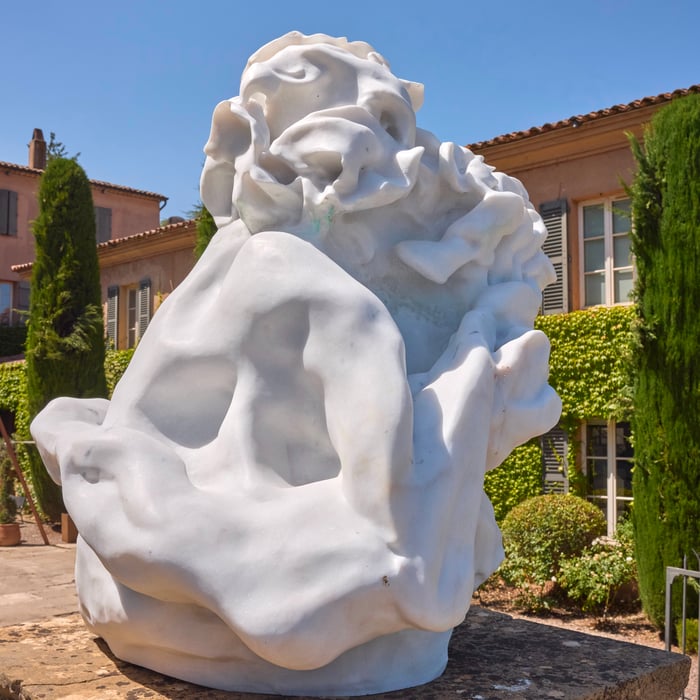

Art Brut, a French term meaning Raw Art, was coined by Jean Dubuffet to describe art created outside the conventional fine arts tradition. Dubuffet used the term to refer to works made by self-taught artists, including the mentally ill, prisoners, and others on the margins of society. He also called it Outsider Art. This art is characterized by its raw, unrefined nature, often created without concern for traditional presentation or imitation.

A pigment is a material that changes the color of light by selectively absorbing certain wavelengths and reflecting others. Unlike phosphorescence or fluorescence, where materials emit light, pigments work by altering the light that passes through or is reflected from them. In art, pigments are chosen for their special properties, such as high tinting strength, making them ideal for coloring various materials.
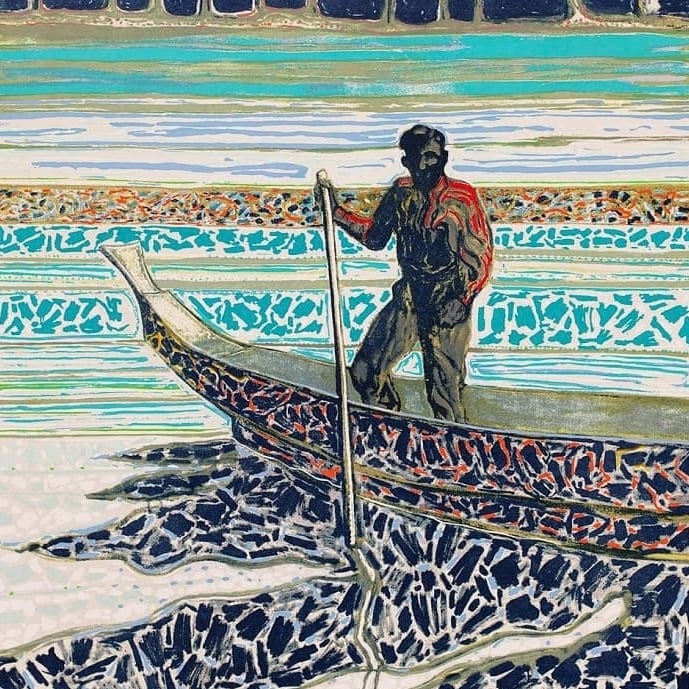
Stuckism is an art movement that promotes figurative painting over conceptual art. It was founded in 1999 by Charles Thomson and Billy Childish with an initial group of 13 artists in Britain. The movement has since expanded to 52 countries with 233 groups worldwide. Several manifestos, issued by Thomson and Childish, advocate for the spirit of modernism and the creation of spiritual art, regardless of medium, subject matter, or style. Stuckism emphasizes the importance of genuine expression and rejects the dominance of conceptual art in the contemporary art scene.
Can't find your Answer?
Thank you! Your question has been sent — we'll get back to you shortly.
