

What is Art Intervention?
Artworks Related to Art Intervention
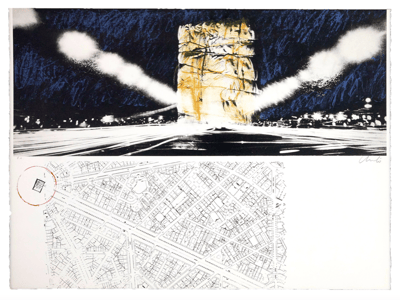
Javacheff Christo
Project for the Arc de Triomphe, Paris , 1970
Limited Edition Print
Lithograph
Currently Not Available

Javacheff Christo
Wrapped Walkways Detail WW-451
Limited Edition Print
Photograph
EUR 11,000
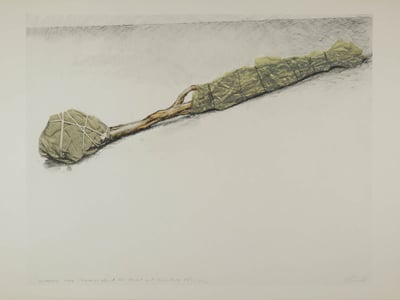
Javacheff Christo
Wrapped Tree
Limited Edition Print
Screen-print
EUR 3,800

Javacheff Christo
Reichstag/Berlin Vormittag, Wrapped, 1995
Limited Edition Print
Photograph
EUR 9,500

Javacheff Christo
Wrapped building, project for 1 Times Square, New York, 1985
Limited Edition Print
Mixed Media
Currently Not Available

Javacheff Christo
The Umbrellas (Project for Japan and Western USA), 1987
Limited Edition Print
Offset Print
USD 1,350

Javacheff Christo
Reichstag Mappe II, Südfassade, 1995
Photography
Photograph
EUR 4,800
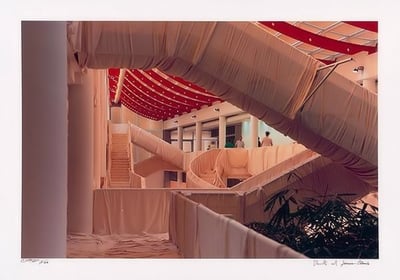
Javacheff Christo
Museum Würth Wrapped Stairs, 1995
Limited Edition Print
Photograph
EUR 6,900

Javacheff Christo
Museum Würth Wrapped Chairs, 1995
Limited Edition Print
Photograph
EUR 6,900
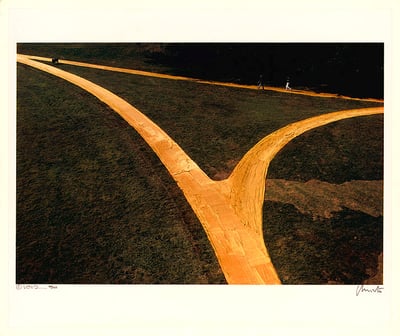
Javacheff Christo
Wrapped Walk Ways, 1978
Limited Edition Print
Photograph
EUR 5,900
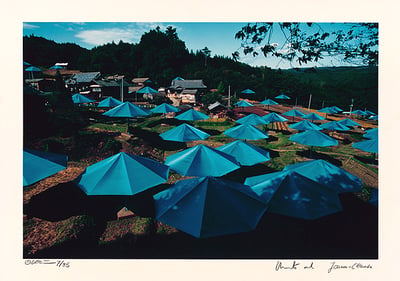
Javacheff Christo
Umbrellas Jinba Blue
Limited Edition Print
Photograph
EUR 6,900

Javacheff Christo
The Gates Rondell, 2005
Photography
Photograph
EUR 19,000
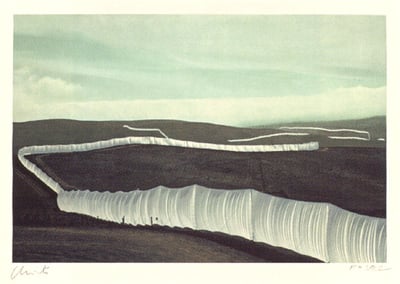
Javacheff Christo
Running Fence, California, 1976
Photography
Screen-print
EUR 3,900
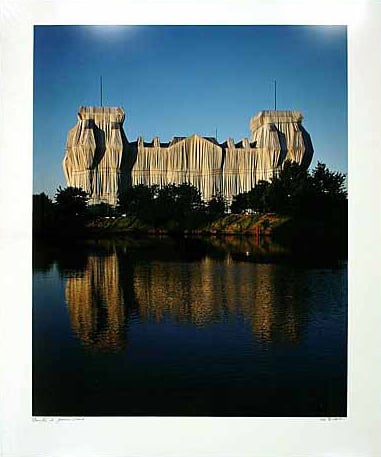
Javacheff Christo
Reichstag/Berlin II Wrapped, 1995
Limited Edition Print
Photograph
EUR 12,000
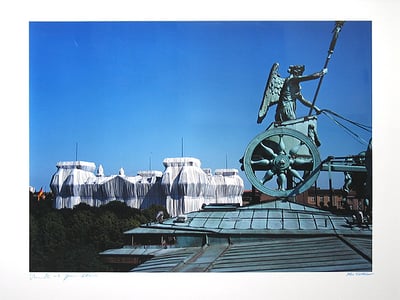
Javacheff Christo
Reichstag/Berlin I Wrapped, 1995
Limited Edition Print
Photograph
EUR 18,000
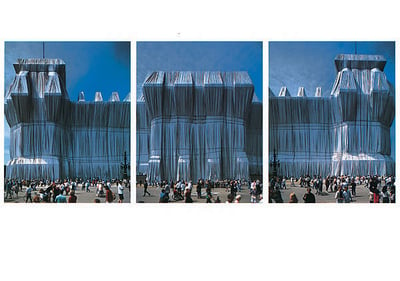
Javacheff Christo
Reichstag Westfassade Triptychon
Limited Edition Print
Photograph
EUR 28,000
Related Articles
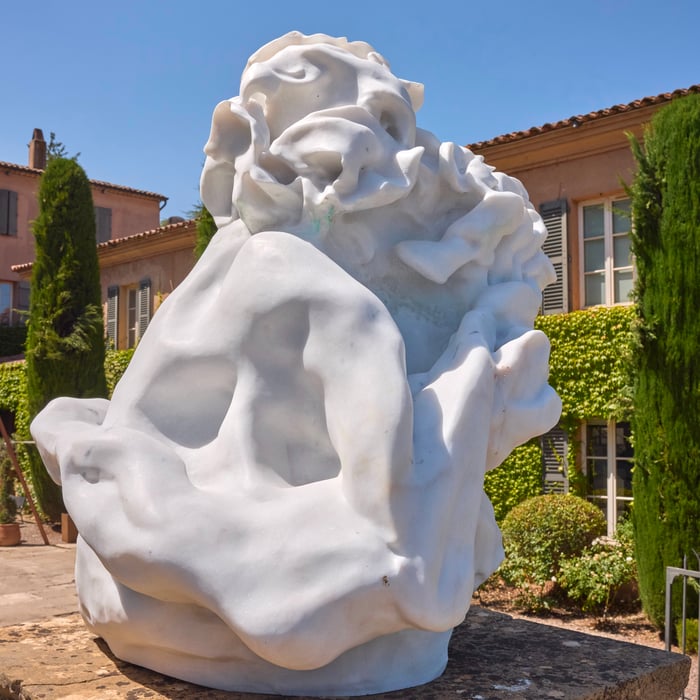

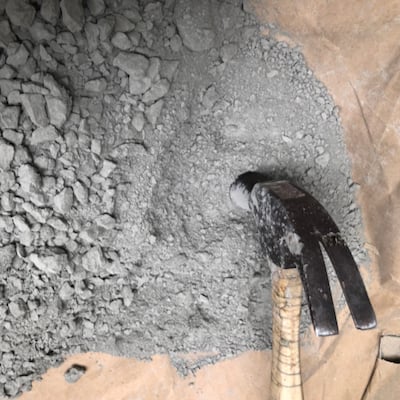
Cement refers to a variety of mixtures, typically made from clay, limestone, water, sand, and gravel, which form concrete used in construction. The term to cement also means to join or unite materials. In art, cement can refer to the process of securely gluing or bonding elements together, often used in sculptural work or mixed media.

Earth art, also known as Land Art, emerged in the 1960s and 70s as part of the conceptual art movement. It involves creating artworks by sculpting the land or constructing structures in the landscape using natural materials like earth, rocks, or twigs. These works are often large-scale and emphasize the relationship between art and nature.

Systems Art refers to a group of artists who, during the late 1960s and early 1970s, used the frameworks of conceptualism and minimalism to create art that was responsive to its environment. Rejecting traditional art themes, they embraced aesthetic systems and experimented with diverse media. Systems Art often connected with contemporary political movements of the time, emphasizing the interrelationship between the artwork, its context, and the broader social and political environment.
Can't find your Answer?
Thank you! Your question has been sent — we'll get back to you shortly.
