

Bulgaria
Bulgaria's contemporary art scene brims with diverse artistic expressions, reflecting its rich historical tapestry. Prestigious institutions like Sofia City Art Gallery and the Museum of Contemporary Art - Sofia, anchor this vibrant milieu. Renowned artists like Nedko Solakov, known for his narrative installations, and Luchezar Boyadjiev, a conceptual artist, epitomize Bulgaria's contemporary art scene. Explore the exciting Bulgarian contemporary art landscape on Composition Gallery's website.
Artworks Related to Bulgaria
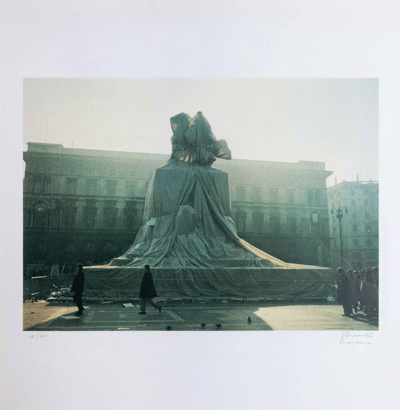
Javacheff Christo
Wrapped Monumento to Vittorio Emanuele, Piazza del Duomo, 1970
Limited Edition Print
Photograph
EUR 2,400
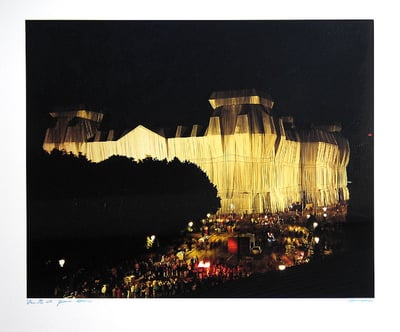
Javacheff Christo
Reichstag/Berlin Nacht, Wrapped, 1995
Limited Edition Print
Photograph
EUR 10,000
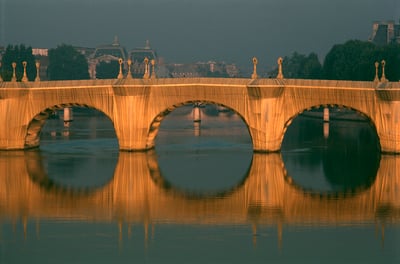
Javacheff Christo
The Pont Neuf Wrapped Reflecting Bridge PN-150, 1985
Limited Edition Print
Photograph
EUR 14,000
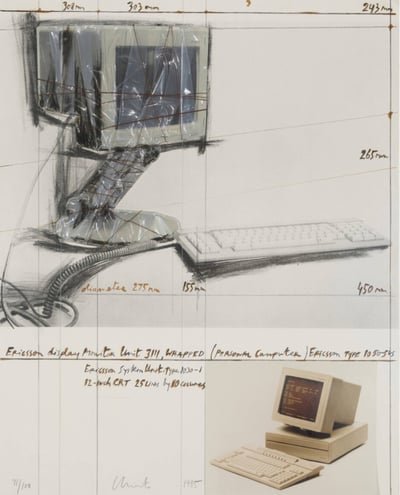
Javacheff Christo
Ericsson Display Monitor Unit 3111, Wrapped, Project for Personal Computer, 1985
Limited Edition Print
Lithograph
USD 12,000

Javacheff Christo
Package on Wheelbarrow (project), 1963-2000
Drawing / Watercolor
Crayon
Inquire For Price

Javacheff Christo
Wrapped Woman, 1973
Limited Edition Print
Screen-print
USD 2,690

Javacheff Christo
Texas Mastaba, Project For 500,000 Stacked Oil Drums, 1971
Limited Edition Print
Lithograph
USD 1,550
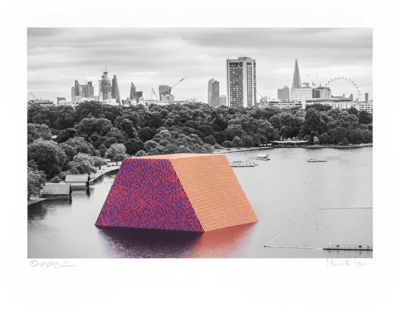
Javacheff Christo
The London Mastaba, 2018
Photography
Giclée printing
GBP 3,300

Javacheff Christo
Wrapped Statues, Sleeping Fawn, Project for the Glyptothek, 2001
Limited Edition Print
Mixed Media
EUR 9,000
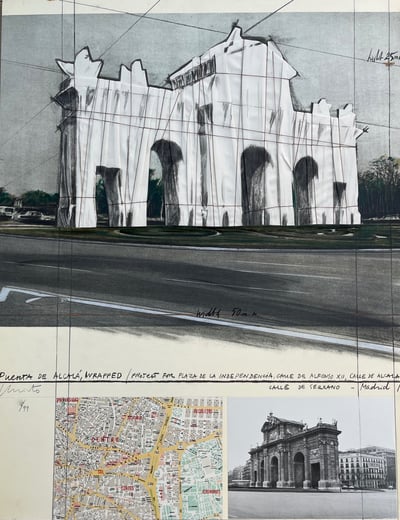
Javacheff Christo
Puerta de Alcalá, Wrapped; Project for Madrid, 1981
Limited Edition Print
Lithograph
Currently Not Available

Javacheff Christo
Documenta Kassel KA-D68, 1968
Photography
Inkjet print
EUR 4,400
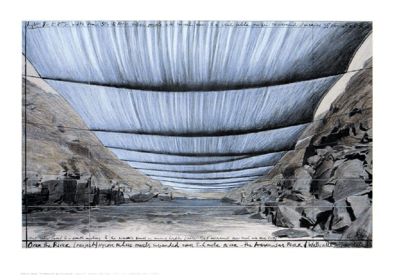
Javacheff Christo
Over The River Project V Under, 1992
Limited Edition Print
Offset Print
USD 1,450

Javacheff Christo
Over The River Project V, 1992
Limited Edition Print
Offset Print
USD 1,400
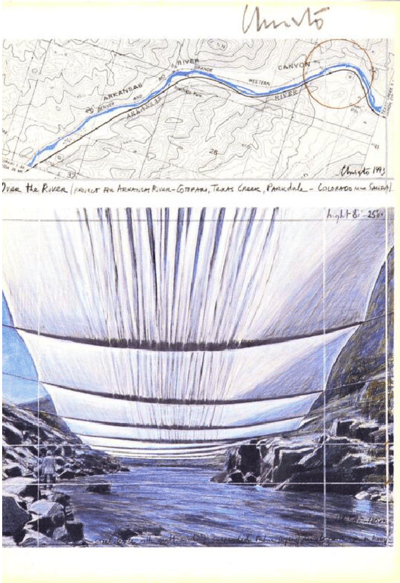
Javacheff Christo
Over The River Project IV, 1993
Limited Edition Print
Offset Print
USD 1,400

Javacheff Christo
Over The River Project III, 1993
Limited Edition Print
Offset Print
USD 1,400

Javacheff Christo
Wrapped Trees Portfolio, 1997-1998
Limited Edition Print
Photograph
EUR 15,500
Related Articles
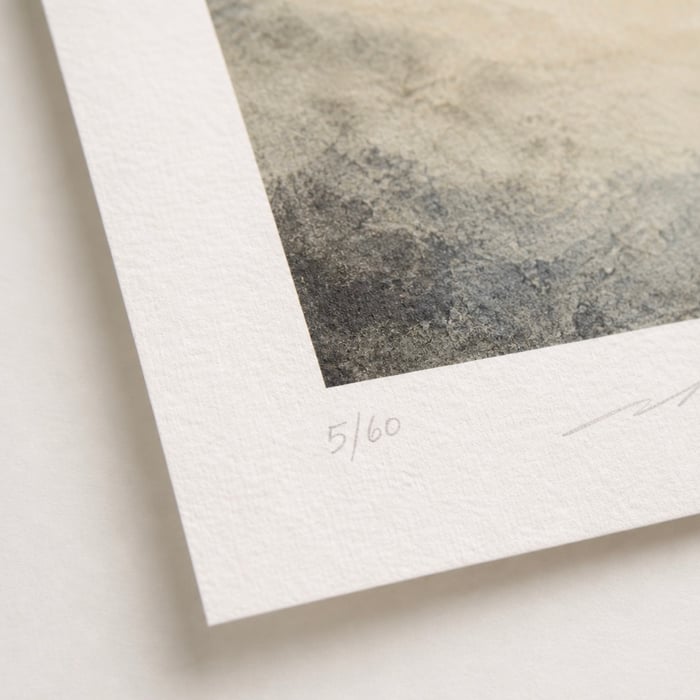
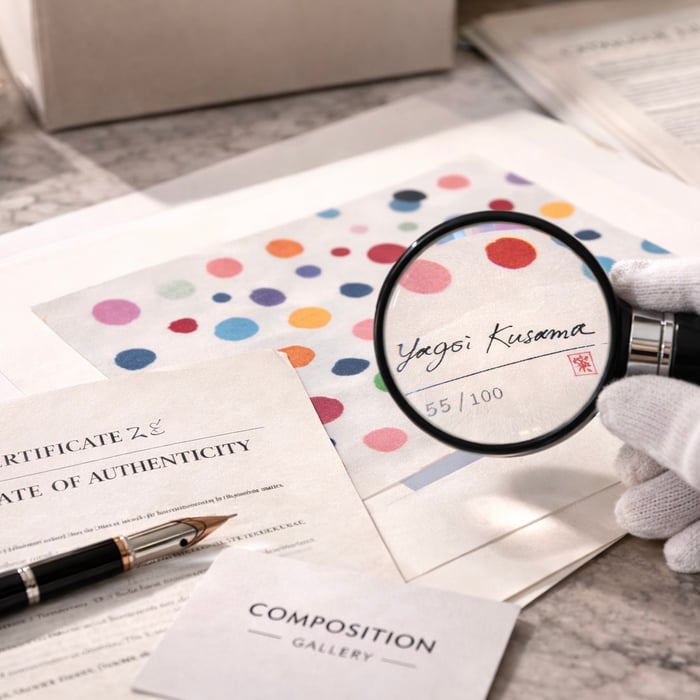
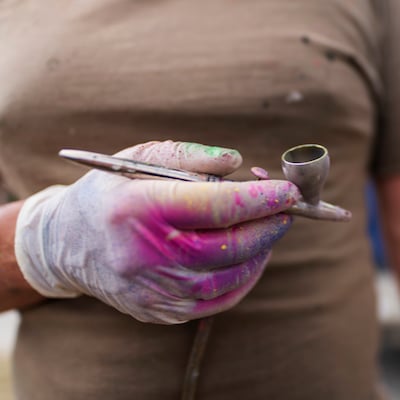
An airbrush is a device that sprays various media, including paint and ink, using compressed air. Artists use airbrushes to create a smooth, even application of color, often achieving effects that are not possible with traditional brushes. James Rosenquist, an American Pop artist, regularly used an airbrush in his work. Before gaining fame with pieces like the iconic F-111 (1965), he worked as a commercial and industrial painter, where he honed his airbrush skills.

Colour Field Painting is an abstract style characterized by large areas of a single color or simple, solid colors. The term was first used in the 1950s to describe the work of three American Abstract Expressionist painters—Barnett Newman, Mark Rothko, and Clyfford Still. Their work emphasized the emotional power of color and the creation of vast, meditative spaces through expansive color fields.

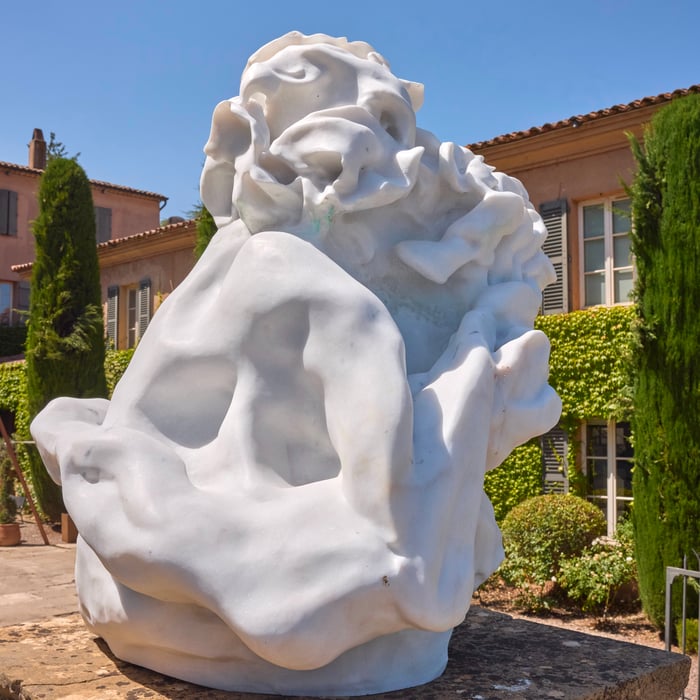
Bronze is a metal alloy made primarily of copper and tin, with a typical modern composition of 88% copper and 12% tin. Over time, bronze develops a patina, a surface color that often turns deep green due to oxidation. Large bronze objects, such as sculptures, are typically made in foundries. Bronze is valued for its durability and has been widely used throughout history for art, tools, and weapons.
Can't find your Answer?
Thank you! Your question has been sent — we'll get back to you shortly.
