

Nedko Solakov
Nedko Solakov (Bulgaria, 1957) is a contemporary artist renowned for his narrative-driven works that blend traditional techniques with conceptual art. His diverse oeuvre includes drawings, paintings, performances, and installations, often infused with irony and metaphor to critique societal norms and the art world. Solakov's art has been exhibited globally, including at the Venice Biennale and documenta, and is featured in collections such as MoMA and Tate Modern.
© Nedko Solakov. All rights reserved.
- Recently Added
- Price (Low-High)
- Price (High-Low)
- Year (Low-High)
- Year (High-Low)

Nedko Solakov
A man with seven problems , 2010
Limited Edition Print
Lithograph
EUR 2,500
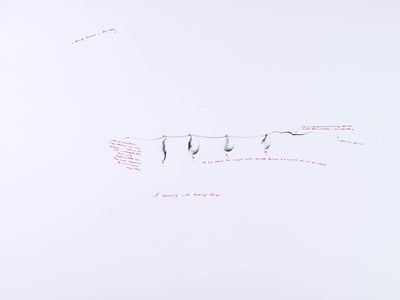
Nedko Solakov
A Drawing with Lacking Things, 2004
Limited Edition Print
Silkscreen
Currently Not Available
No sold works to show.
Architecture is always first, you—the artist—are the second!
- Nedko Solakov
- Nedko Solakov
A native of Sofia, Bulgaria, Nedko Solakov widely uses language and to give a narrative quality to his art. He works in diverse forms and media including drawings, paintings, video, and installations featuring small snippets of language or words. Many of his paintings and drawings come with an explanatory text. He often includes performance as a part of his exhibitions and installations. A storyteller at heart, he uses humor and absurdity to push back against societal norms and formal institutions. Although he is known for his whimsical approach to art, Nedko Solakov’s work explores the realities of contemporary life while also questioning them. His well-known piece, 99 Fears, uses dark humor to examine his own fears and worries such as AIDS, plane crashes, and writer’s block. He has participated in exhibitions in Europe, Japan, and the United States including at the Tate Modern in London and the Museum of Modern Art in New York City. (Artist website)
Related Artists
Related Articles
News, Popular, Collecting, Artists - August 12, 2026
In Minor Keys: Finding Intimacy and Identity at the 61st Venice Biennale — and in Your Collection
Explore how Koyo Kouoh’s 61st Venice Biennale vision, In Minor Keys, is shifting contemporary collecting toward quiet introspection, memory, and personal identi…Read More

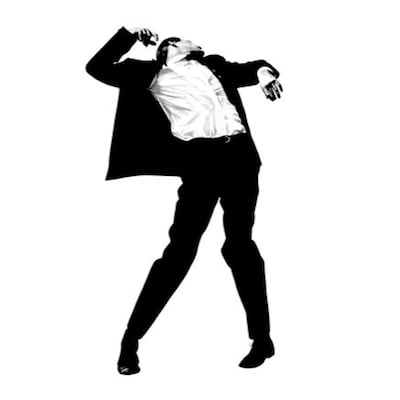 Artwork by Robert Longo
What is Performance Art?
Performance Art is a genre of fine art that is traditionally interdisciplinary, involving various art forms. It can be scripted or unscripted, random or carefully orchestrated, spontaneous, or meticulously planned, with or without audience participation. Performance Art can be presented live or through media, with the artist either present or absent. It typi…
Explore »

