

What is a linocut?
- Show All
- Established
- Discoveries
- Show All
Artworks Related to Linocut

Elizabeth Peyton
Frederick Douglass, 2023
Limited Edition Print
Linocut
EUR 1,750

Pablo Picasso
DANAÉ (B. 1084; BA. 1286), 1962
Limited Edition Print
Linocut
Inquire For Price
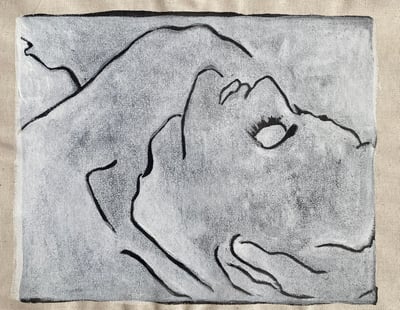
Eva Claessens
Petit Câlin V, 2023
Limited Edition Print
Linocut
USD 650
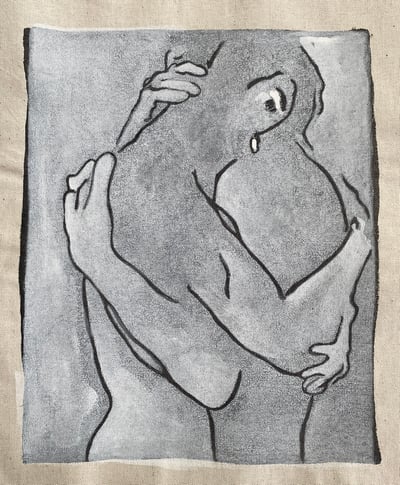
Eva Claessens
Petit Câlin IV, 2023
Limited Edition Print
Linocut
USD 650
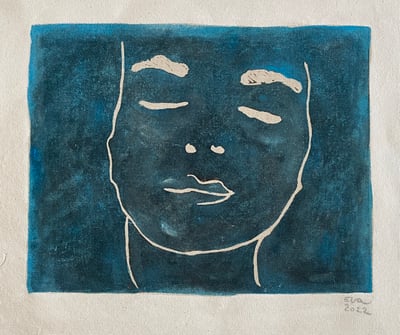
Eva Claessens
Petit Câlin II, 2023
Limited Edition Print
Linocut
USD 650

Joan Hernandez Pijuan
Gerro amb flors, 1987
Limited Edition Print
Linocut
Currently Not Available
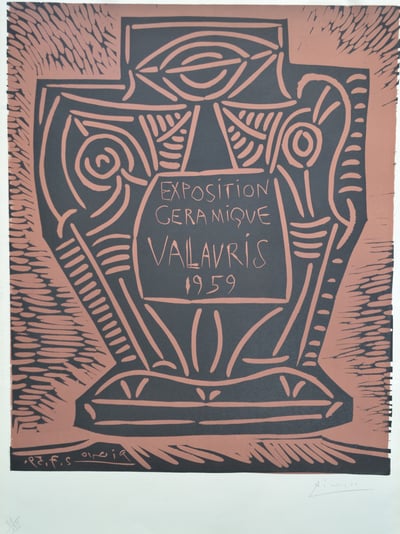
Pablo Picasso
Exposition Céramique Vallauris - B1286 , 1959
Limited Edition Print
Linocut
USD 10,700
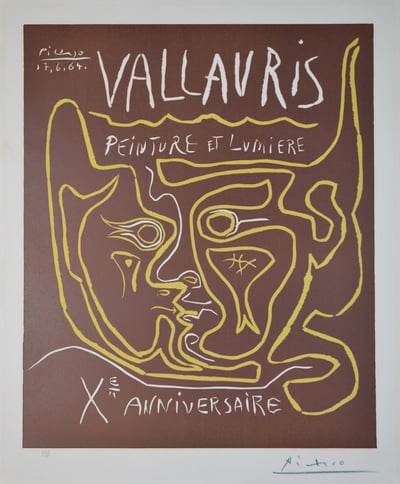
Pablo Picasso
Vallauris Exhibition - B1850, 1964
Limited Edition Print
Linocut
USD 10,700

Pablo Picasso
Femme assise en pyjama de plage. II - B1062, 1961
Limited Edition Print
Linocut
USD 17,750

Alex Katz
Diana, 2014
Limited Edition Print
Linocut
USD 16,500

David Shrigley
I Am The Moth, You Are The Flame, 2022
Limited Edition Print
Linocut
GBP 1,500

Sol LeWitt
Tondo 1 (3 point star), 2002
Limited Edition Print
Linocut
Currently Not Available

Jorg Immendorf
Surrealistisches Tribunal, 1998
Limited Edition Print
Linocut
EUR 2,300

Wilhelm Sasnal
Damned Youth, 2011
Limited Edition Print
Linocut
Currently Not Available

Antonio Ballester Moreno
Triángulos
Limited Edition Print
Linocut
Currently Not Available

Antonio Ballester Moreno
Trama, 2013
Limited Edition Print
Linocut
EUR 500
Related Articles


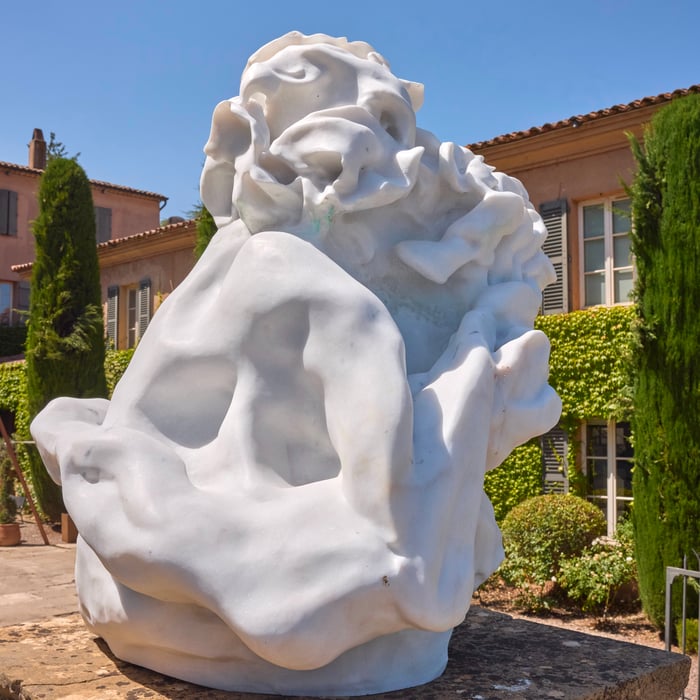

Gestural art is a term that describes painting with freely sweeping brushstrokes. The primary goal of gestural art is to allow the artist to physically express emotional impulses. The varied, yet expressive paint marks are intended to convey the artist's inner thoughts and emotions, which viewers are believed to understand through the dynamic and spontaneous application of paint.
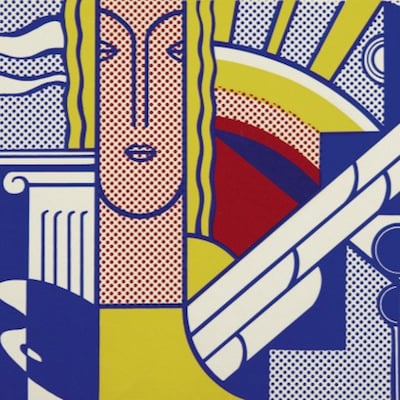
Late Modernism refers to the continuation and evolution of Modernist principles in art, architecture, and literature from the mid-20th century into the late 20th century. This movement maintains a focus on form, abstraction, and the rejection of traditional styles, but it often incorporates more complexity and ambiguity compared to early Modernism. Late Modernism explores themes such as alienation, identity, and the fragmentation of reality, reflecting the social and cultural shifts of the post-war period. It is seen in the works of architects like Louis Kahn and artists like Francis Bacon, who pushed the boundaries of Modernism while responding to the changing world around them.
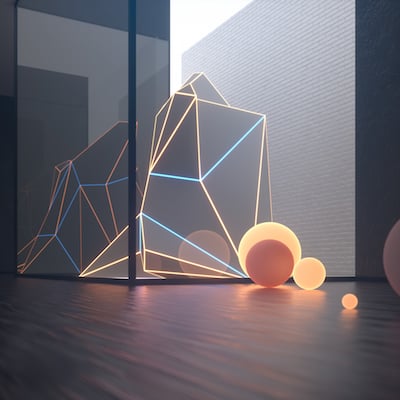
Installation art is a three-dimensional artistic genre that involves site-specific works designed to alter the viewer's perception of space. These works are typically created for interior spaces, such as museums and galleries, but can also be found in private and public locations. Installation art can be temporary or permanent, depending on its purpose and setting.
Can't find your Answer?
Thank you! Your question has been sent — we'll get back to you shortly.
