

What is a monoprint?
Monoprinting is a printmaking technique where a single impression is created from a re-printable surface, such as a lithographic stone, wood block, or metal plate. Unlike traditional printmaking, where multiple copies are produced, monoprinting results in a unique image. Techniques used in monoprinting include etching, lithography, and woodcut, but the key characteristic is that each print is one-of-a-kind.
Show All
- Show All
- Established
- Discoveries
Show All
- Show All
Artworks Related to Monoprint
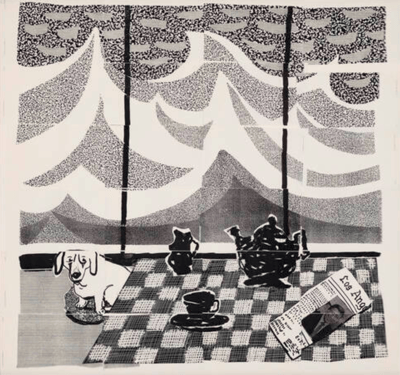
David Hockney
Breakfast with Stanley in Malibu, 1989/1994
Limited Edition Print
Monoprint
GBP 23,000
Mel Bochner
Private Listing
Limited Edition Print
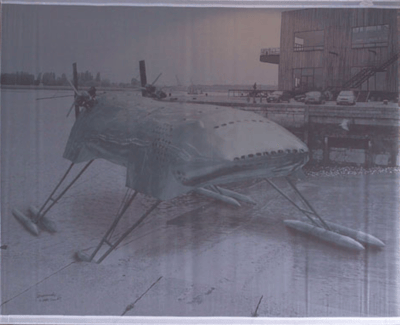
Panamarenko
Scotch Gambit at Rijnkaai, Antwerpen, 2001
Limited Edition Print
Monoprint
Inquire For Price
Mel Bochner
Private Listing
Limited Edition Print
Mel Bochner
Private Listing
Limited Edition Print
Mel Bochner
Private Listing
Limited Edition Print
Mel Bochner
Private Listing
Limited Edition Print

Mr. Brainwash
Madonna, 2011
Limited Edition Print
Monoprint
Inquire For Price

Jessica Stockholder
d c tree, 2011
Limited Edition Print
Monoprint
USD 4,260

Jessica Stockholder
i a tree, 2011
Limited Edition Print
Monoprint
USD 4,260

Laura Owens
Untitled (Pink Grid and Droplets), 2018
Limited Edition Print
Monoprint
USD 17,750
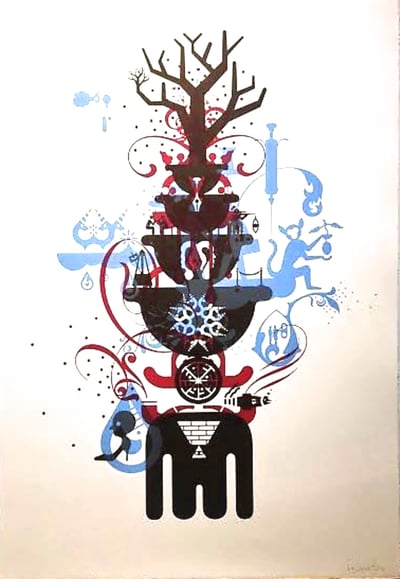
Ryan McGinness
Stability-Monoprint,, 2012
Limited Edition Print
Monoprint
USD 8,500
Related Articles


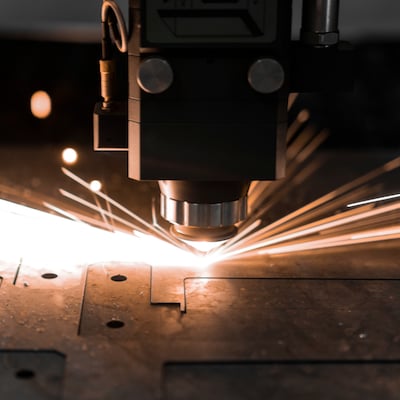
Metalcut was a relief printing technique used primarily in Europe from around 1450 to 1540. The technique involved using thin metal plates. One method involved cutting or hammering away parts of the plate that were not intended to print, while the other method used engraving to create white lines on a black background.

Wire is a single strand or rod of flexible metal. It has been used since ancient times to make chains and jewelry decorations. Wire comes in various thicknesses and can be bent, braided, and cut using wire tools to create sculptures, assemblages, and mobiles. Different metals, such as copper, aluminum, and steel, are commonly used for wire art.
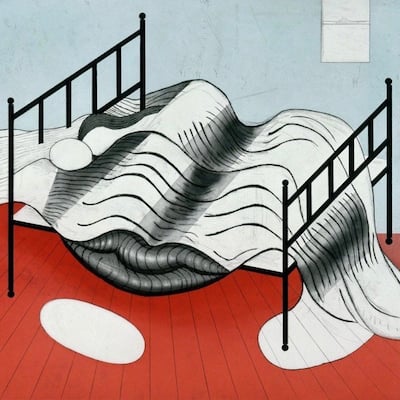
Postmodernism is an art movement that emerged as a reaction against authority and traditional boundaries, seeking to blur the lines between art and everyday life. It aimed to bridge the gap between the cultural elite and the general public by embracing eclectic mixtures of earlier conventions and styles. Postmodernist art often challenges established norms and celebrates diversity, irony, and pastiche, making it a movement that reflects the complexities of contemporary culture.
Can't find your Answer?
Thank you! Your question has been sent — we'll get back to you shortly.
