

What is Art Informel?
- Show All
- Established
- Discoveries
- Show All
Artworks Related to Art Informel

Antonio Saura
Moi, Planche 12, 1976
Limited Edition Print
Serigraph
EUR 1,880

Antonio Saura
Moi, Planche 14, 1976
Limited Edition Print
Serigraph
EUR 2,650

Antoni Tapies
Vaisselle, 1984
Limited Edition Print
Mixed Media
EUR 4,375
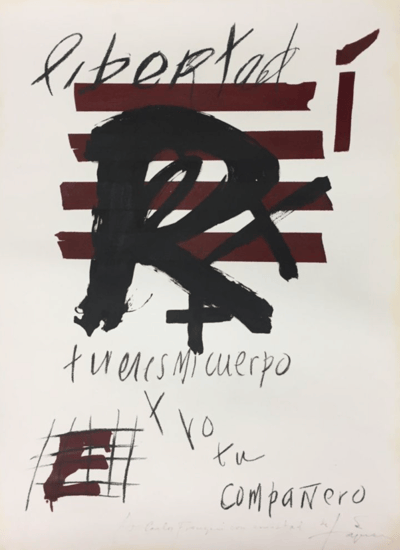
Antoni Tapies
Libertad, 1976
Drawing / Watercolor
Mixed Media
EUR 23,700

Antoni Tapies
Moix, 1967
Limited Edition Print
Lithograph
EUR 7,200

Sam Francis
Untitled from the Papierski Portfolio, 1992
Limited Edition Print
Lithograph
EUR 6,000

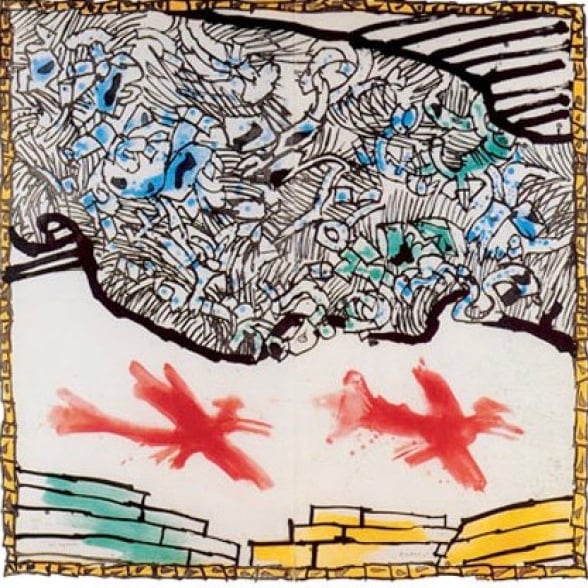
Antoni Tapies
Nocturn matinal -8 , 1970
Limited Edition Print
Lithograph
EUR 3,750

Antonio Saura
Atal, 1983
Limited Edition Print
Silkscreen
EUR 2,100

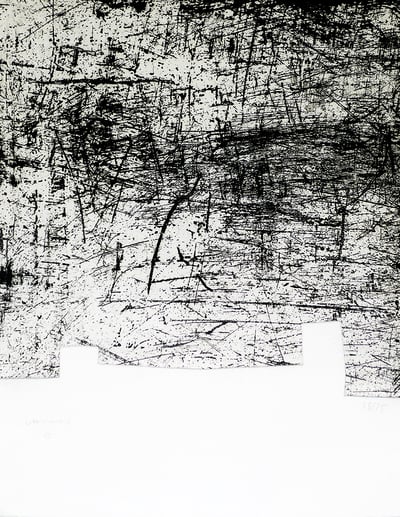
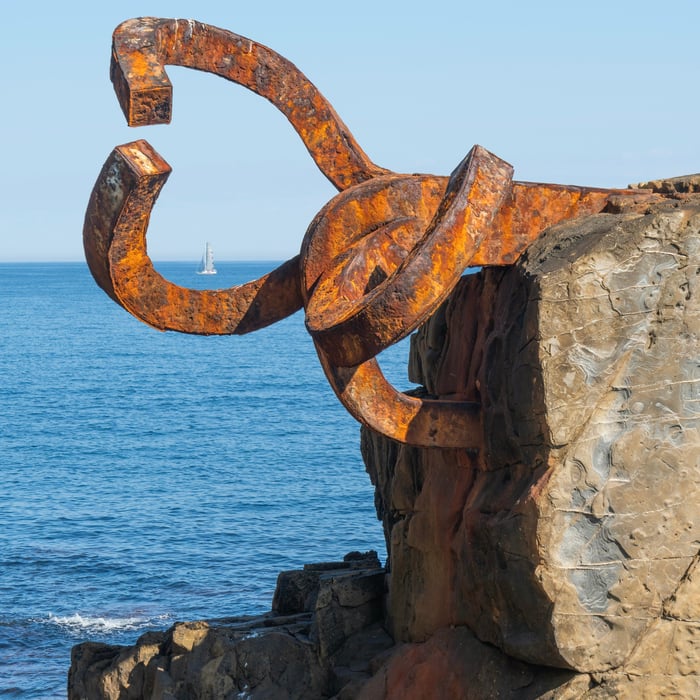
Eduardo Chillida
Une helene de vent ou fumee I, 1990
Limited Edition Print
Etching and Aquatint
EUR 8,150
Eduardo Chillida
Une helene de vent ou fumee II, 1990
Limited Edition Print
Etching and Aquatint
EUR 8,150

Eduardo Chillida
Une helene de vent ou fumee III, 1990
Limited Edition Print
Etching and Aquatint
EUR 8,150

Eduardo Chillida
Bikaina XIV, 1988
Limited Edition Print
Etching and Aquatint
EUR 5,800
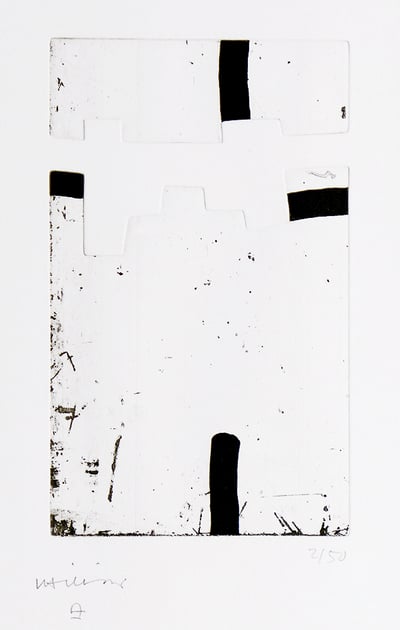
Eduardo Chillida
Argi IV, 1988
Limited Edition Print
Etching and Aquatint
EUR 5,800
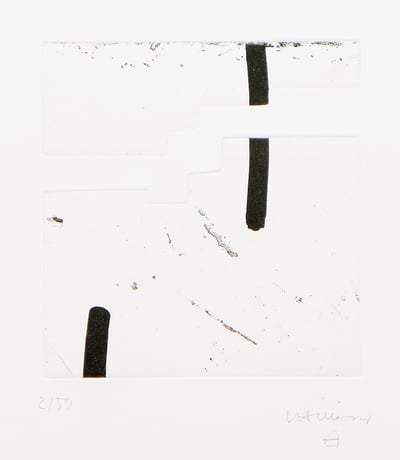
Eduardo Chillida
Argi V, 1988
Limited Edition Print
Etching and Aquatint
EUR 5,800

Sam Francis
Metal Line, 1971
Limited Edition Print
Lithograph
USD 8,500
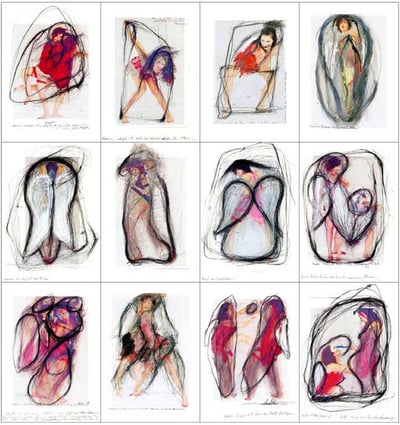
Arnulf Rainer
Unfinished Into Death II (12), 2011
Photography
Photograph
EUR 7,100
Related Articles

New Topographics is a term coined in 1975 by curator William Jenkins to describe a group of photographers whose work focused on formal black-and-white images of urban and industrial landscapes. Jenkins initially described their aesthetic as banal, but the photographers themselves argued that their compositions were as significant as those of natural landscapes, emphasizing the beauty in everyday, man-made environments.
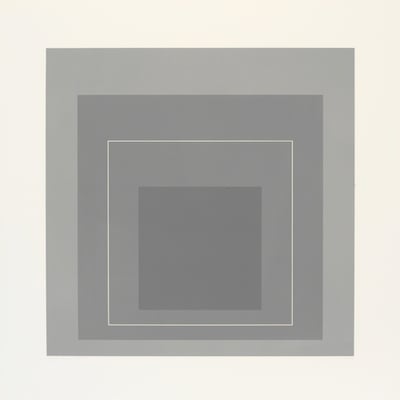
Concrete Art is an art movement founded by the Dutch artist Theo van Doesburg in the 1930s. The movement emphasizes pure abstraction, focusing on geometric shapes and colors without any reference to the natural world or symbolic meaning. Unlike other forms of abstract art, Concrete Art is entirely non-representational and is based on mathematical principles and precise execution. It aims to create universal, timeless works by using simple, clear forms that emphasize objectivity and clarity.

Linocut is a printmaking technique similar to woodcut, where a sheet of linoleum is used as the relief surface. The design is carved into the linoleum using a V-shaped gouge or chisel, creating raised areas that form a mirror image of the final print. Ink is applied to the raised areas with a roller, and the linoleum sheet is then pressed onto fabric or paper. The printing can be done by hand or with a press.
Can't find your Answer?
Thank you! Your question has been sent — we'll get back to you shortly.
