
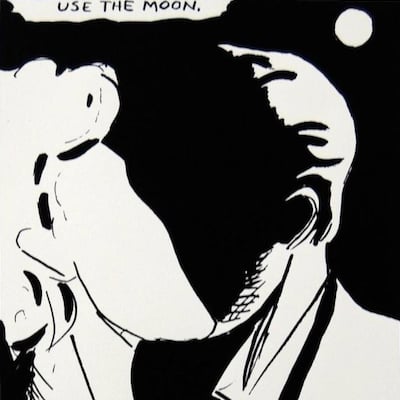
What is Comic Strip Art?
- Show All
- Established
- Discoveries
- Show All
Artworks Related to Comic Strip art

Andy Warhol
Wild Raspberries IV 140A (Gardoons A La Mousseline), 1959
Limited Edition Print
Offset Print
EUR 6,600

Andy Warhol
Wild Raspberries IV 137A (Baked Hawaii), 1959
Limited Edition Print
Offset Print
EUR 6,600

Andy Warhol
Queen Ntombi Twala of Swaziland, 1985
Limited Edition Print
Screen-print
EUR 23,500

Andy Warhol
Neuschwanstein (Poster), 1987
Limited Edition Print
Serigraph
EUR 4,800
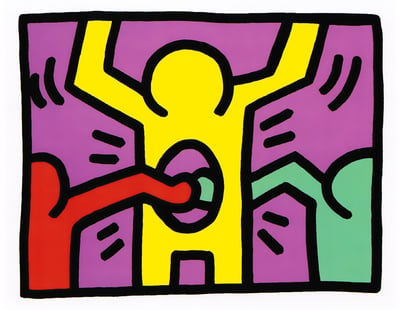
Keith Haring
Pop Shop I (C), 1987
Limited Edition Print
Silkscreen
USD 30,000 - 50,000

Andy Warhol
Vegetarian Vegetable, II.56 from Campbell's Soup II, 1969
Limited Edition Print
Screen-print
USD 70,000 - 80,000
Andy Warhol
Private Listing
Limited Edition Print
Andy Warhol
Private Listing
Drawing / Watercolor
Andy Warhol
Private Listing
Drawing / Watercolor
Andy Warhol
Private Listing
Drawing / Watercolor
Andy Warhol
Private Listing
Limited Edition Print

Roy Lichtenstein
Illustration for 'De Denver au Montana, Depart 27 Mai 1972' (I), 1992
Limited Edition Print
Etching and Aquatint
USD 12,500

Andy Warhol
Campbell's Soup Can (Tomato), 1966
Limited Edition Print
Screen-print
USD 4,125
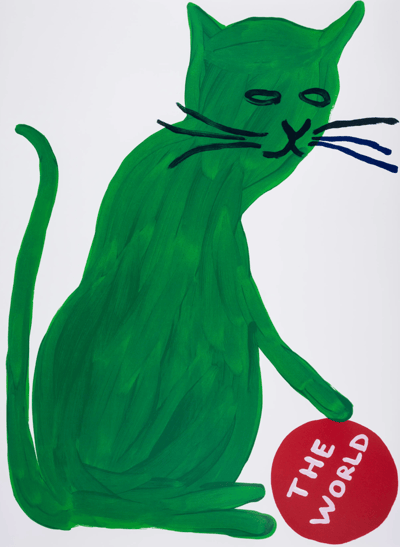
David Shrigley
The World, 2019
Limited Edition Print
Lithograph
USD 3,450

Andy Warhol
Golden Mushroom (from Campbell's Soup II), 1969
Limited Edition Print
Screen-print
USD 50,000 - 60,000
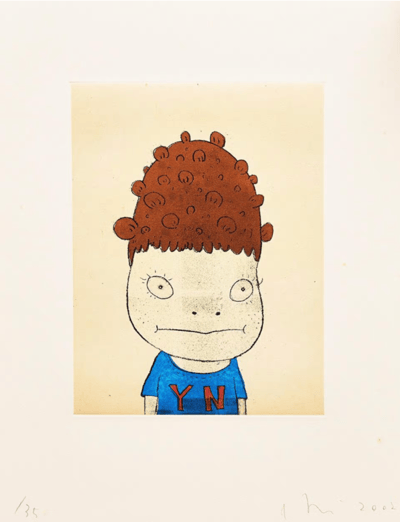
Yoshitomo Nara
Y.N. (Self-Portrait), 2002
Limited Edition Print
Intaglio
Inquire For Price
Related Articles


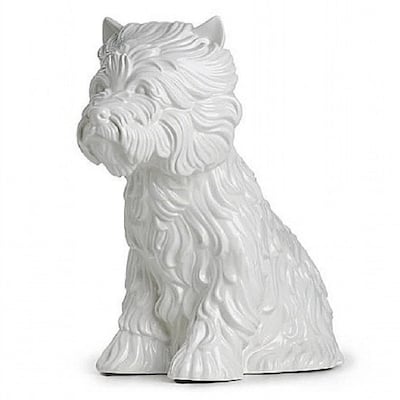
Art Fabrication is a process used in the production of technically challenging or large-scale artworks. It occurs when a designer or artist is unable to fully realize their concept or design on their own and seeks assistance from a fabrication studio. These studios are equipped with specialized machinery, resources, and skilled labor necessary to execute complex art projects to a high standard.

Embossing is a technique used to create raised designs or images on a surface, typically paper. Artists achieve this effect by altering the shape of the paper, often by pressing it from the reverse side using a template and a tool like a sanded dowel. The result is a design with multiple levels of depth, giving a three-dimensional appearance.

The Düsseldorf School of Photography refers to a group of photographers who studied under Bernd and Hilla Becher at the Kunstakademie Düsseldorf during the 1970s. This group was known for its devotion to the black-and-white industrial images characteristic of the German tradition known as New Objectivity. The photographers focused on precise, methodical documentation of industrial structures, often using a detached and objective approach.
Can't find your Answer?
Thank you! Your question has been sent — we'll get back to you shortly.
