
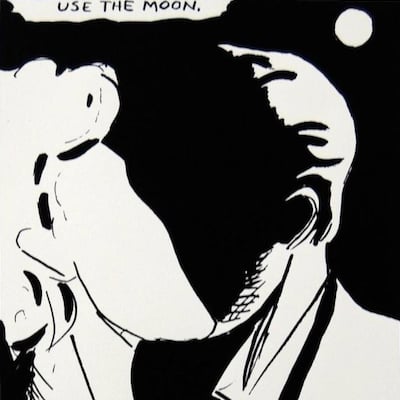
What is Comic Strip Art?
- Show All
- Established
- Discoveries
- Show All
Artworks Related to Comic Strip art
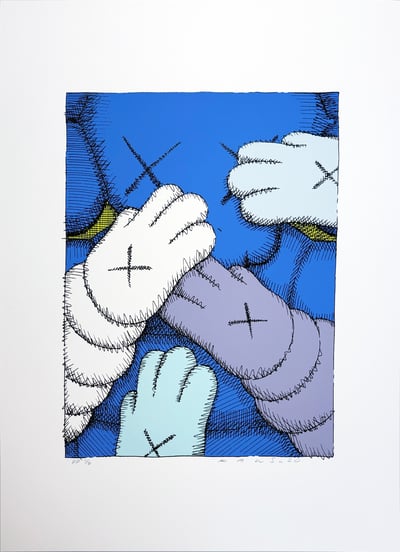
KAWS
Untitled V (Urge), 2020
Limited Edition Print
Silkscreen
EUR 7,800

Kenny Scharf
In the beginning (red gloss & glitter edition), 2019
Limited Edition Print
Mixed Media
USD 7,200

David Shrigley
Particles of Truth, 2019
Limited Edition Print
Linocut
USD 3,000

Yoshitomo Nara
WOW (Works on Whatever) Project beach towel, 2010
Tapestry
Digital print on canvas
USD 12,000

Rose Wylie
Grumpy Girl, 2020
Limited Edition Print
Lithograph
USD 2,500

David Shrigley
The Penguins need us, 2021
Drawing / Watercolor
Mixed Media
USD 7,200

Andy Warhol
Cars Mercedes 300 SL Gulwing, 2007
Limited Edition Print
Silkscreen
EUR 4,250

Andy Warhol
Hot Dog Bean (from Campbell's Soup II), 1969
Limited Edition Print
Screen-print
Inquire For Price

Andy Warhol
Oyster Stew (from Campbell's Soup II), 1969
Limited Edition Print
Screen-print
Inquire For Price

Andy Warhol
Camouflage, II.413, 1987
Limited Edition Print
Screen-print
USD 50,000 - 60,000

Takashi Murakami
Murakami Flowers in a Qinghua Vase, 2024
Limited Edition Print
Offset Print
GBP 2,100

Andy Warhol
In The Bottom of my Garden IV.101A, 1956
Limited Edition Print
Mixed Media
Inquire For Price

Andy Warhol
In The Bottom of my Garden IV.102A, 1956
Limited Edition Print
Mixed Media
USD 7,200
Andy Warhol
Private Listing
Limited Edition Print
Andy Warhol
Private Listing
Limited Edition Print
Andy Warhol
Private Listing
Painting
Related Articles


Pastel is an art medium in stick form made from powdered pigment and a binder. The pigments used in pastels are the same as those in other colored art media. The color effect of pastels closely resembles that of dry pigments, more so than any other medium. Artworks created with pastels are called pastel paintings, pastel drawings, or simply pastels. The term pastel can also refer to the process of creating art using pastel sticks.
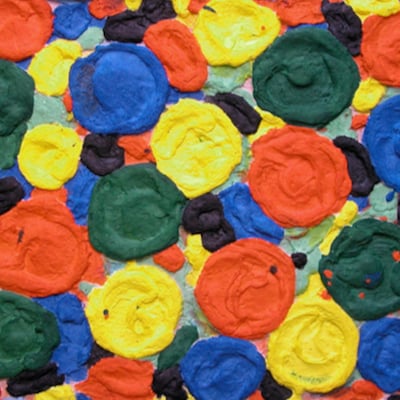
Aquagravure is a technique that combines multiple processes. It involves compressing wet paper pulp in a carved wood mold until the water drains off. The compressed paper is then painted, and ink is added to the mold to print onto the painted paper. The final work is allowed to dry. This method results in a unique textural and visual effect, blending elements of printmaking and papermaking.
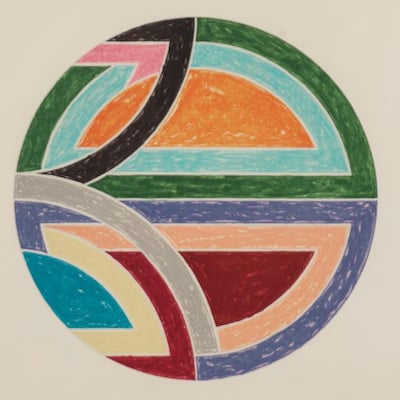
American Abstract Artists (AAA) is an organization founded in New York City in 1936 to promote abstract art and its appreciation in the United States. At a time when abstract art faced strong opposition from critics, the AAA provided crucial exhibition opportunities for abstract artists, helping to foster the growth and acceptance of the movement.
Can't find your Answer?
Thank you! Your question has been sent — we'll get back to you shortly.
