
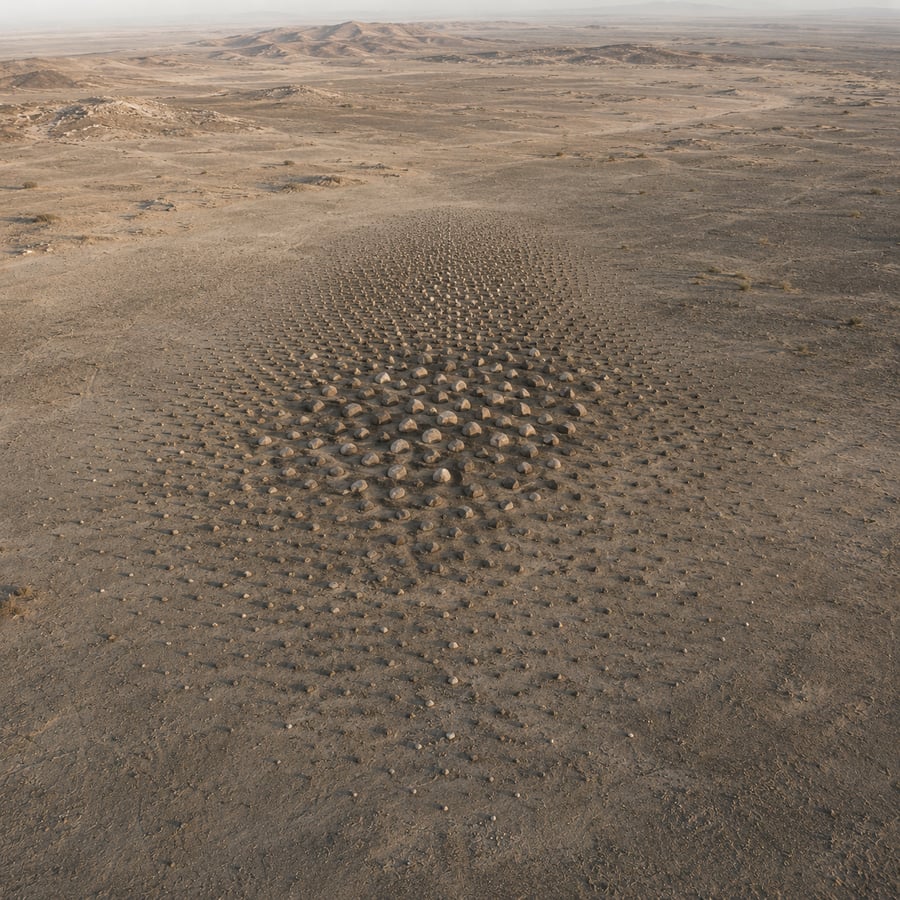
What is Earth Art?
- Show All
- Established
- Discoveries
- Show All
Artworks Related to Earth Art
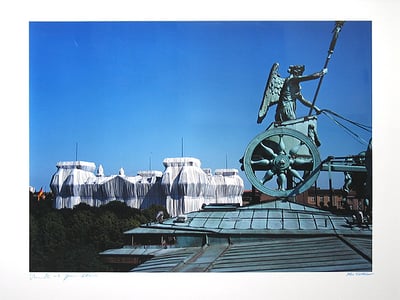
Javacheff Christo
Reichstag/Berlin I Wrapped, 1995
Limited Edition Print
Photograph
EUR 18,000
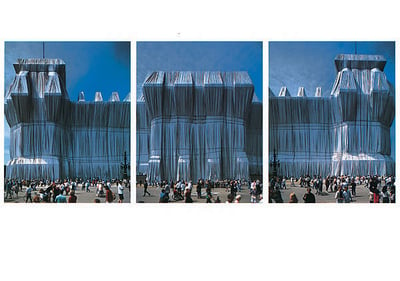
Javacheff Christo
Reichstag Westfassade Triptychon
Limited Edition Print
Photograph
EUR 28,000
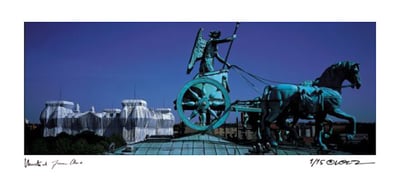
Javacheff Christo
Reichstag Quadriga, 1995
Limited Edition Print
Photograph
EUR 25,000
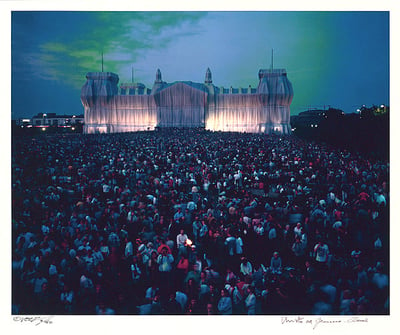
Javacheff Christo
Reichstag Mappe II, Westen, 1995
Photography
Photograph
EUR 4,800
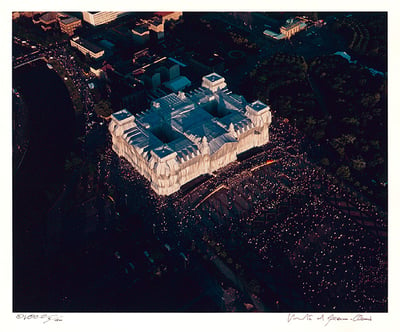
Javacheff Christo
Reichstag Mappe II, Platz, 1995
Photography
Photograph
EUR 4,800
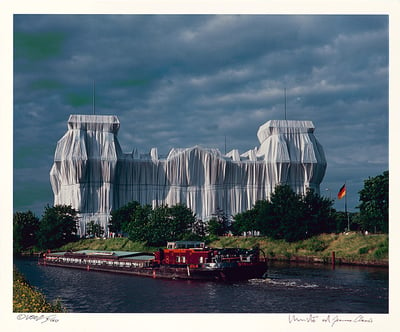
Javacheff Christo
Reichstag Mappe II, Nordfassade, 1995
Photography
Photograph
EUR 4,800
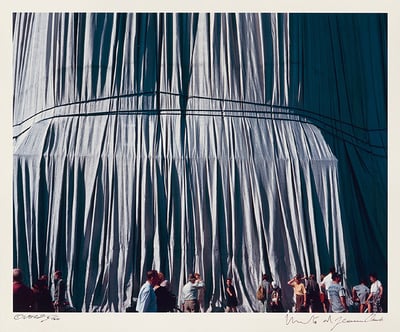
Javacheff Christo
Reichstag Mappe II, Faltenwurf, 1995
Photography
Photograph
EUR 4,800
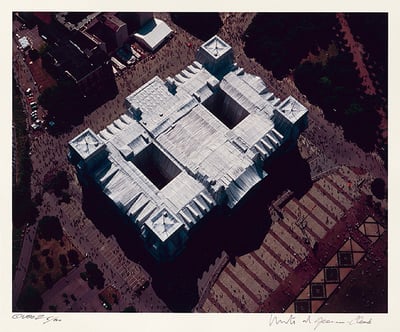
Javacheff Christo
Reichstag Mappe II, Dach, 1995
Photography
Photograph
EUR 4,800

Javacheff Christo
Reichstag Mappe II, 6 Blatt, 1990–2000
Limited Edition Print
Photograph
EUR 24,000
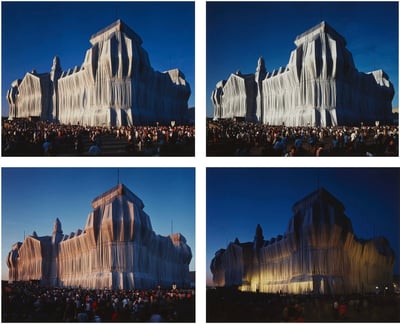
Javacheff Christo
Reichstag Mappe I, 4 Blatt + 2 Text, 1990–2000
Limited Edition Print
Photograph
EUR 17,000
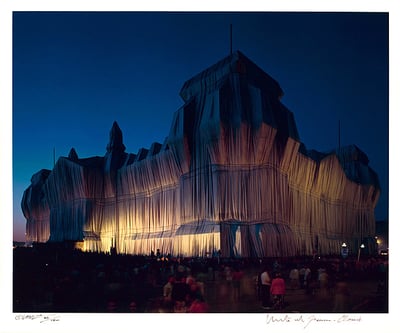
Javacheff Christo
Reichstag Mappe I, 22 Uhr, 1995
Limited Edition Print
Photograph
EUR 4,800

Javacheff Christo
Reichstag Mappe I, 16 Uhr, 1995
Limited Edition Print
Photograph
EUR 4,800

Gunther Uecker
Verletzungen-Verbindungen, 1998
Limited Edition Print
Screen-print
EUR 1,980
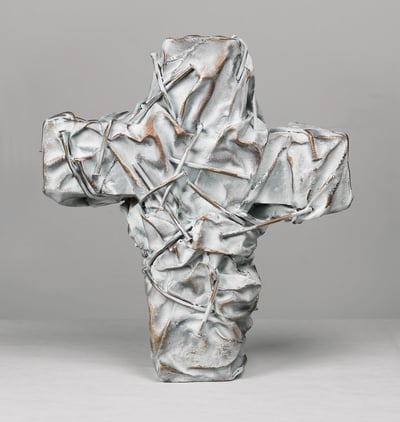
Gunther Uecker
Helles Nagelkreuz, 2017
Sculpture / Object
Bronze
EUR 49,500

Heinz Mack
Kunst im Jahr 2000, 1986
Limited Edition Print
Screen-print
Currently Not Available

Javacheff Christo
Over The Arkansas River, Project A, 1992/2017
Limited Edition Print
Lithograph
EUR 1,700
Related Articles
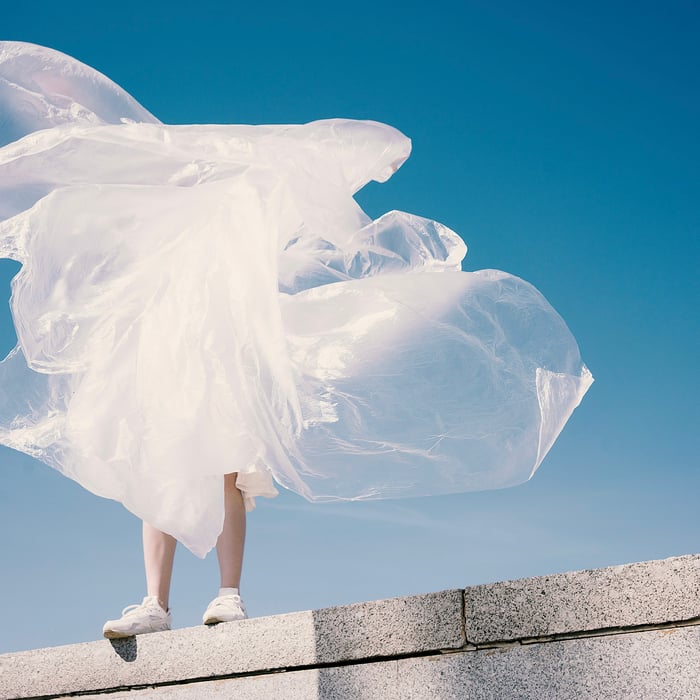



Bronze is a metal alloy made primarily of copper and tin, with a typical modern composition of 88% copper and 12% tin. Over time, bronze develops a patina, a surface color that often turns deep green due to oxidation. Large bronze objects, such as sculptures, are typically made in foundries. Bronze is valued for its durability and has been widely used throughout history for art, tools, and weapons.

This Italian art movement includes artists from Italy, Belgium, and France who are known for creating public installations using recyclable plastic to craft massive animal sculptures. The artwork explores the rupture between the synthetic and natural worlds, with the plastic construction symbolizing the synthetic, and the animal forms representing the natural world.
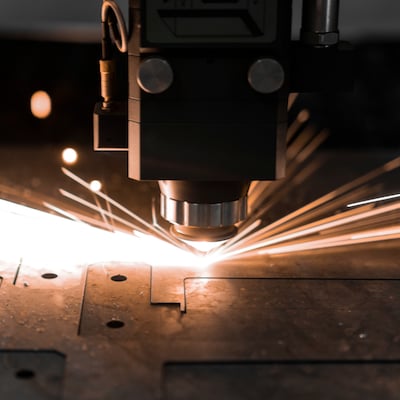
Metalcut was a relief printing technique used primarily in Europe from around 1450 to 1540. The technique involved using thin metal plates. One method involved cutting or hammering away parts of the plate that were not intended to print, while the other method used engraving to create white lines on a black background.
Can't find your Answer?
Thank you! Your question has been sent — we'll get back to you shortly.
