
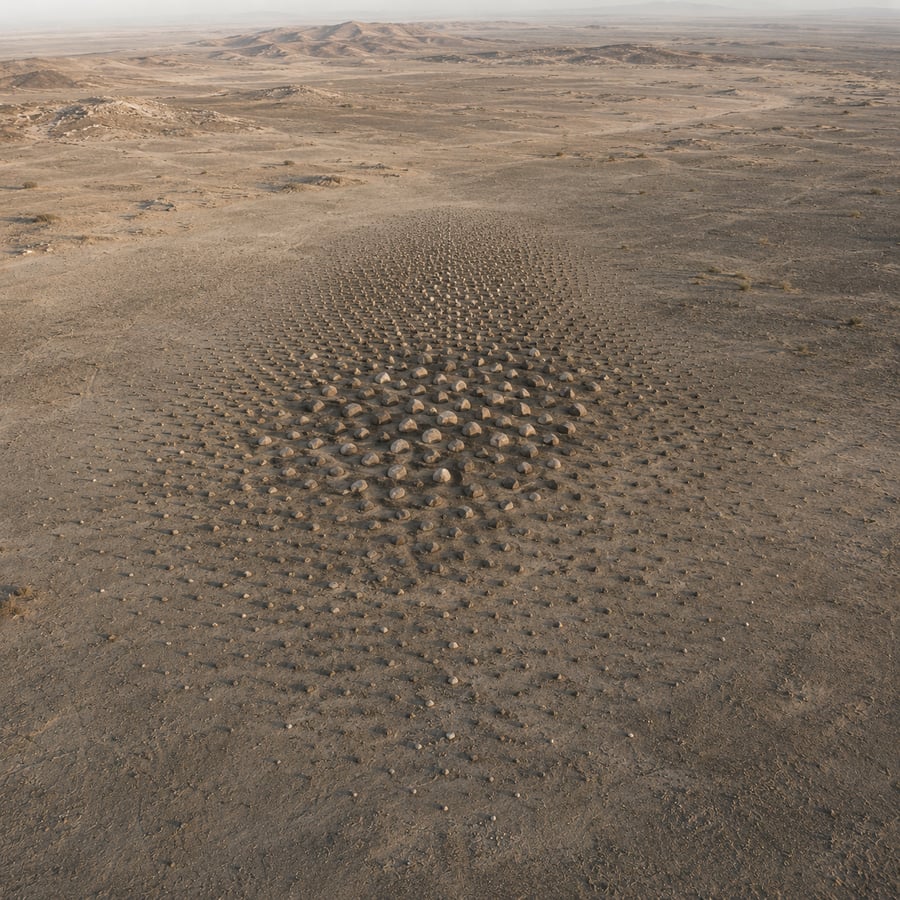
What is Earth Art?
- Show All
- Established
- Discoveries
- Show All
Artworks Related to Earth Art
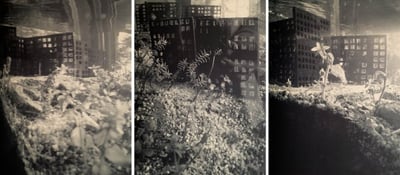
Cristina Iglesias
Aquarium II, 2011
Photography
Photogravure
EUR 15,000

Cristina Iglesias
Aquarium II, 1, 2011
Photography
Photogravure
EUR 5,500

Cristina Iglesias
Aquarium II, 2, 2011
Photography
Photogravure
EUR 5,500

Cristina Iglesias
Aquarium II, 3, 2011
Photography
Photogravure
EUR 5,500
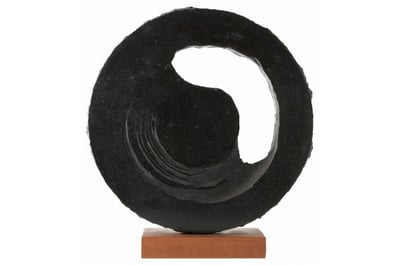
Nobuo Sekine
One Stroke Circle, 1974
Sculpture / Object
Acrylic sculpture
Currently Not Available

Dieter Roth
Steep Potplant, 1975
Limited Edition Print
Drypoint
USD 2,200
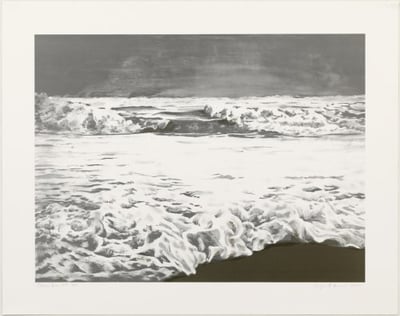
April Gornik
Storm sea, 2011
Limited Edition Print
Lithograph
Currently Not Available
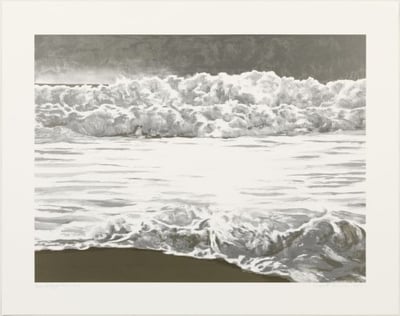
April Gornik
Sea edge, 2011
Limited Edition Print
Lithograph
Currently Not Available

Javacheff Christo
Wrapped Fountain, 2009
Limited Edition Print
Collage
EUR 8,000
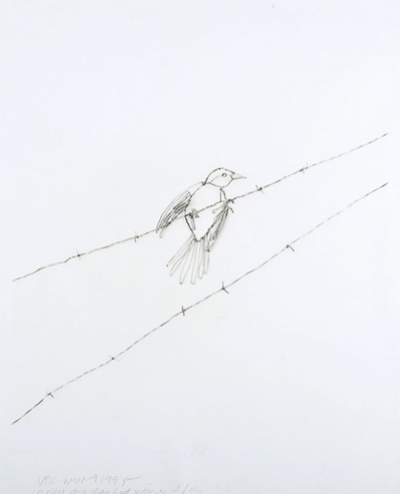
Vik Muniz
Vireo on Barbed Wire, 1995
Photography
Photograph
USD 6,200
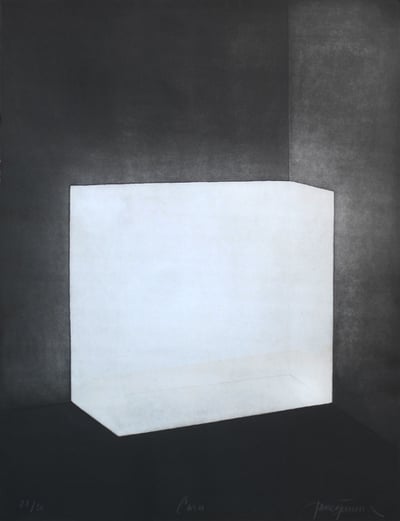
James Turrell
Carn, 1988
Limited Edition Print
Etching
Currently Not Available
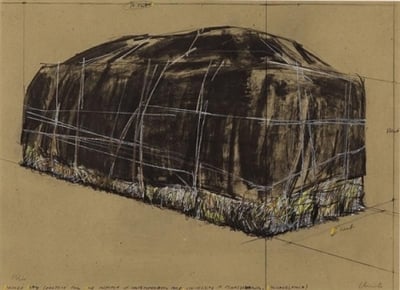
Javacheff Christo
Packed Hay, 1973
Limited Edition Print
Screen-print
EUR 3,800
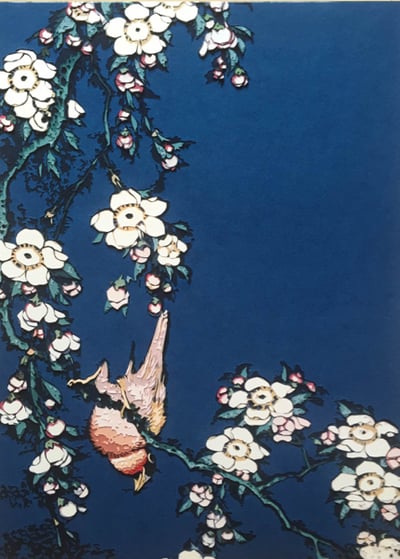
Vik Muniz
Bullfinch and weeping cherry, 2010
Photography
C-Print
EUR 6,500
Related Articles



Activist Art is a form of art created to address social and political issues. It often involves public engagement and works closely with communities to raise awareness or inspire change. While it can include elements of performance art, it is not limited to this form. Examples include creating and distributing social protest posters or organizing community-based art projects that highlight specific causes.

An airbrush is a device that sprays various media, including paint and ink, using compressed air. Artists use airbrushes to create a smooth, even application of color, often achieving effects that are not possible with traditional brushes. James Rosenquist, an American Pop artist, regularly used an airbrush in his work. Before gaining fame with pieces like the iconic F-111 (1965), he worked as a commercial and industrial painter, where he honed his airbrush skills.
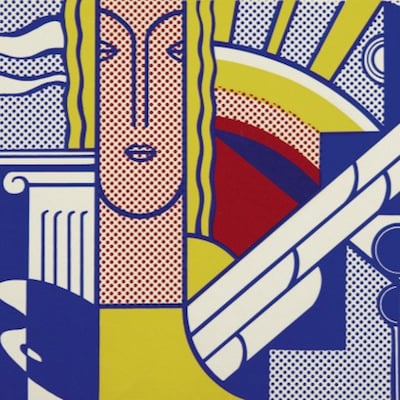
Late Modernism refers to the continuation and evolution of Modernist principles in art, architecture, and literature from the mid-20th century into the late 20th century. This movement maintains a focus on form, abstraction, and the rejection of traditional styles, but it often incorporates more complexity and ambiguity compared to early Modernism. Late Modernism explores themes such as alienation, identity, and the fragmentation of reality, reflecting the social and cultural shifts of the post-war period. It is seen in the works of architects like Louis Kahn and artists like Francis Bacon, who pushed the boundaries of Modernism while responding to the changing world around them.
Can't find your Answer?
Thank you! Your question has been sent — we'll get back to you shortly.
