

Photo gravure with chine colle? - 2 plates of 78 x 58,5 cm. each - Printed on Waranbashi of 63 gr. and Somerset Satin, 410 gr. of 112 x 88,5 cm. each Edition of 15
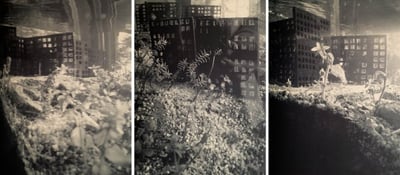
Cristina Iglesias's Aquarium II (2011) is a captivating photogravure triptych that explores themes of nature and urban decay. Each panel features a hauntingly serene landscape where delicate plants emerge amidst the ruins of dark, windowed structures that resemble desolate buildings. This surreal setting, with its contrast of organic growth against man-made decay, evokes a post-apocalyptic vision, suggesting resilience of nature over industrial remnants. The use of chine-collé technique on Waranbashi and Somerset Satin papers enhances the textural depth, allowing the viewer to immerse in the delicate yet powerful imagery. Aquarium II reflects Iglesias’s exploration of the intersection between human constructs and natural regeneration.
Artwork Copyright © Cristina IglesiasCristina Iglesias (Spain, 1956) is a Spanish installation artist and sculptor known for creating immersive environments that blend architecture, literature, and site-specific influences. Utilizing materials like steel, water, glass, and bronze, she constructs spaces that challenge the boundaries between interior and exterior, nature and artifice. Notable works include 'Forgotten Streams' at Bloomberg Headquarters in London and 'Tres Aguas' in Toledo, Spain.
Artwork Copyright © Cristina IglesiasAquarium II, 2011
Form
Medium
Size
- Inches
- Centimeters
Edition
Price
- USD
- EUR
- GBP
- CHF
- Authenticity Guaranteed
- Insured Shipping
- Online Since 2005
●Inventory 3708
●Signed
●Comes with gallery invoice and certificate
●Sell Us a Similar Artwork. Learn more.
Photo gravure with chine colle? - 2 plates of 78 x 58,5 cm. each - Printed on Waranbashi of 63 gr. and Somerset Satin, 410 gr. of 112 x 88,5 cm. each Edition of 15
Cristina Iglesias's Aquarium II (2011) is a captivating photogravure triptych that explores themes of nature and urban decay. Each panel features a hauntingly serene landscape where delicate plants emerge amidst the ruins of dark, windowed structures that resemble desolate buildings. This surreal setting, with its contrast of organic growth against man-made decay, evokes a post-apocalyptic vision, suggesting resilience of nature over industrial remnants. The use of chine-collé technique on Waranbashi and Somerset Satin papers enhances the textural depth, allowing the viewer to immerse in the delicate yet powerful imagery. Aquarium II reflects Iglesias’s exploration of the intersection between human constructs and natural regeneration.
Artwork Copyright © Cristina IglesiasCristina Iglesias (Spain, 1956) is a Spanish installation artist and sculptor known for creating immersive environments that blend architecture, literature, and site-specific influences. Utilizing materials like steel, water, glass, and bronze, she constructs spaces that challenge the boundaries between interior and exterior, nature and artifice. Notable works include 'Forgotten Streams' at Bloomberg Headquarters in London and 'Tres Aguas' in Toledo, Spain.
Artwork Copyright © Cristina IglesiasAvailability
Size
Form
Medium
SORT BY

Cristina Iglesias
Habitación XI (b&w), 2002
Limited Edition Print
Silkscreen
EUR 3,950

Cristina Iglesias
Habitación XII, 2002
Limited Edition Print
Silkscreen
EUR 3,950
Cristina Iglesias
Aquarium II, 2011
Photography
Photogravure
EUR 15,000

Cristina Iglesias
Aquarium II, 1, 2011
Photography
Photogravure
EUR 5,500

Cristina Iglesias
Aquarium II, 2, 2011
Photography
Photogravure
EUR 5,500

Cristina Iglesias
Aquarium II, 3, 2011
Photography
Photogravure
EUR 5,500
Related Artists
© Composition.gallery
What is Earth Art?
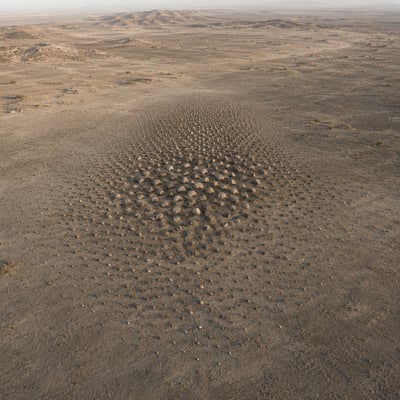
Earth art, also known as Land Art, emerged in the 1960s and 70s as part of the conceptual art movement. It involves creating artworks by sculpting the land or constructing structures in the landscape using natural materials like earth, rocks, or twigs. These works are often large-scale and emphasize the relationship between art and nature.

Cristina Iglesias
Aquarium II, 2011
112 x 265.5 cm


