
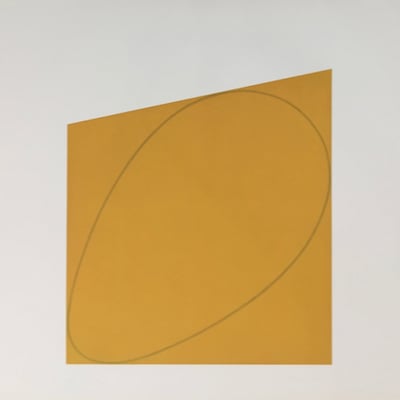
What is Etching and Aquatint?
- Show All
- Established
- Discoveries
- Show All
Artworks Related to Etching and Aquatint

Miquel Barceló
Lanzarote 8, 1999
Limited Edition Print
Etching and Aquatint
EUR 5,450

Miquel Barceló
Lanzarote 9, 1999
Limited Edition Print
Etching and Aquatint
EUR 5,450

Miquel Barceló
Lanzarote 10, 1999
Limited Edition Print
Etching and Aquatint
EUR 5,450

Miquel Barceló
Lanzarote 11, 1999
Limited Edition Print
Etching and Aquatint
EUR 5,450

Miquel Barceló
Lanzarote 12, 1999
Limited Edition Print
Etching and Aquatint
EUR 5,450

Miquel Barceló
Lanzarote 18, 1999
Limited Edition Print
Etching and Aquatint
EUR 5,450

Miquel Barceló
Lanzarote 19, 1999
Limited Edition Print
Etching and Aquatint
EUR 5,450

Miquel Barceló
Lanzarote 21, 2000
Limited Edition Print
Etching and Aquatint
EUR 5,450

Miquel Barceló
Lanzarote 25, 2000
Limited Edition Print
Etching and Aquatint
EUR 5,450

Miquel Barceló
Lanzarote 27, 2000
Limited Edition Print
Etching and Aquatint
EUR 6,600

Miquel Barceló
Lanzarote 28, 2000
Limited Edition Print
Etching and Aquatint
EUR 6,600

Miquel Barceló
Lanzarote 31, 2000
Limited Edition Print
Etching and Aquatint
EUR 6,600

Miquel Barceló
Lanzarote 35, 2000
Limited Edition Print
Etching and Aquatint
EUR 6,600

Miquel Barceló
Lanzarote 43, 2002
Limited Edition Print
Etching and Aquatint
EUR 7,200

Miquel Barceló
Lanzarote 48, 2002
Limited Edition Print
Etching and Aquatint
EUR 5,450

Miquel Barceló
Lanzarote 49, 2002
Limited Edition Print
Etching and Aquatint
EUR 5,450
Related Articles
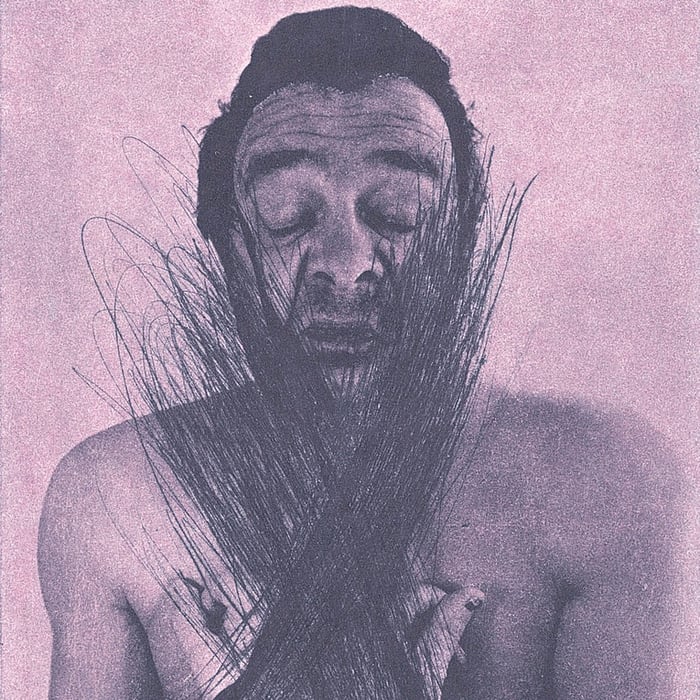


De Stijl, meaning The Style, was a group of Dutch artists who created abstract art based on strict adherence to vertical and horizontal geometry. The group was founded by Piet Mondrian and Theo van Doesburg in 1917. Mondrian eventually left De Stijl when Van Doesburg began incorporating diagonal geometry into his work, which Mondrian felt deviated from the group's principles.
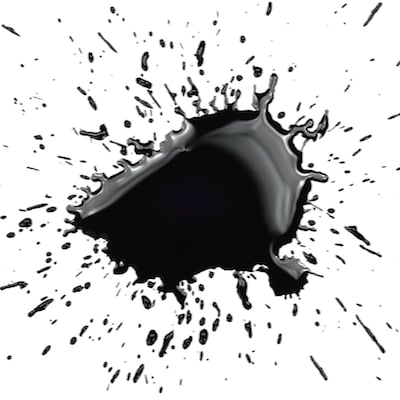
India ink is a medium made from fine soot, known as lampblack, combined with water and a binder, usually shellac, to create a black, waterproof ink. It has been used in India since the 4th century BC. Artists use India ink for writing, drawing, and painting due to its deep black color and permanence.
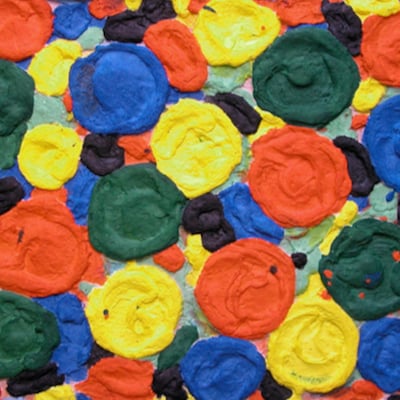
Aquagravure is a technique that combines multiple processes. It involves compressing wet paper pulp in a carved wood mold until the water drains off. The compressed paper is then painted, and ink is added to the mold to print onto the painted paper. The final work is allowed to dry. This method results in a unique textural and visual effect, blending elements of printmaking and papermaking.
Can't find your Answer?
Thank you! Your question has been sent — we'll get back to you shortly.
