

Kenneth Noland
© Kenneth Noland. All rights reserved.
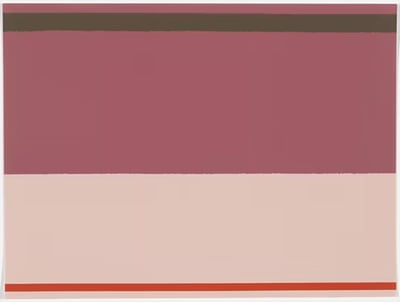
Kenneth Noland
Untitled from The New York Collection for Stockholm, 1973
Limited Edition Print
Screen-print
GBP 1,800

Kenneth Noland
Marron, 1990
Limited Edition Print
Etching and Aquatint
USD 1,500

Kenneth Noland
Rey, 1990
Limited Edition Print
Lithograph
USD 1,500

Kenneth Noland
Roy, 1990
Limited Edition Print
Etching and Aquatint
USD 1,500

Kenneth Noland
Untitled (Target), 2004
Limited Edition Print
Lithograph
Currently Not Available
No sold works to show.
- Kenneth Noland
Related Artists


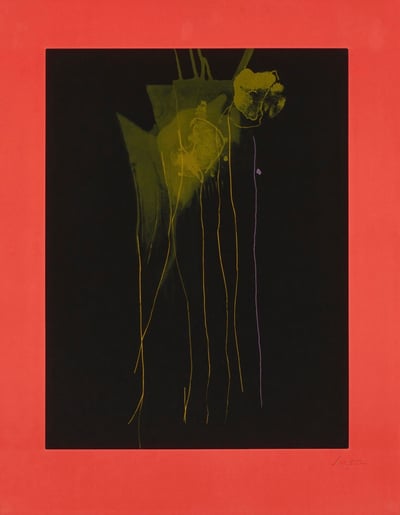

Related Articles
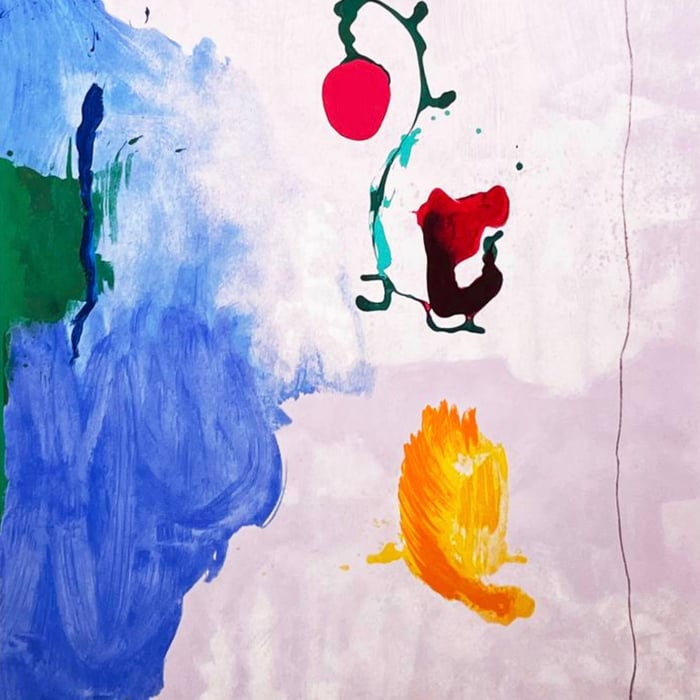
Popular, Artists - October 9, 2025
How Helen Frankenthaler Taught Color to Speak
Discover how Helen Frankenthaler transformed modern art with her soak-stain technique—bridging Abstract Expressionism and Color Field painting.Read More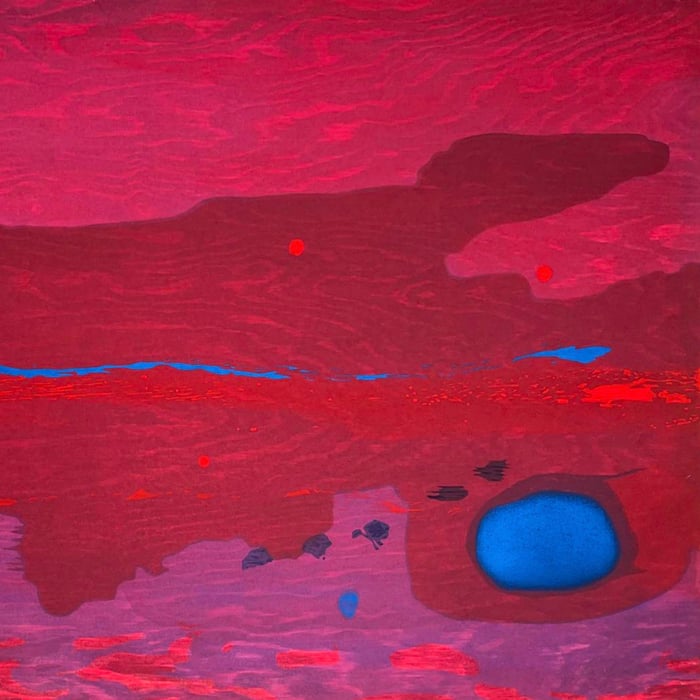
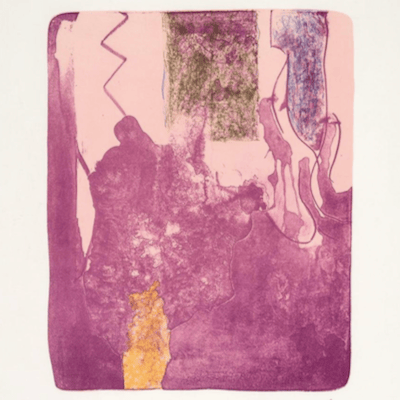 Artwork by Helen Frankenthaler
What is abstract expressionism?
Abstract Expressionism is an art movement that emerged in the United States during the 1940s and 1950s. Characterized by large, abstract canvases, the movement emphasized spontaneous, expressive brushwork and the use of color and form to convey emotion rather than represent reality. Artists like Jackson Pollock, Mark Rothko, and Willem de Kooning are key fig…
Explore »

