
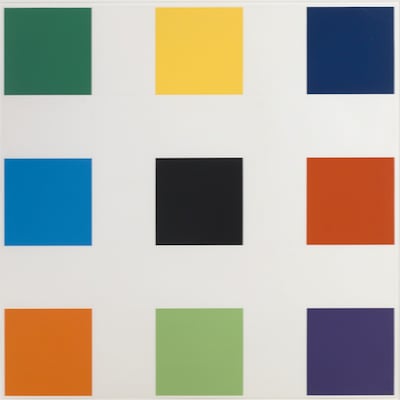
What is Hard Edge Art?
- Show All
- Established
- Discoveries
- Show All
Artworks Related to Hard Edge art
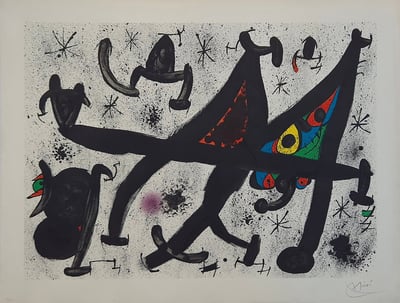
Joan Miró
Homenatge a Joan Prats 11, 1971
Limited Edition Print
Lithograph
Inquire For Price

Frank Stella
Palmito Ranch, from Benjamin Moore Series, 1971
Limited Edition Print
Lithograph
Inquire For Price

Joan Miró
Pl.11 from L'enfance d'Ubu, 1975
Limited Edition Print
Lithograph
Inquire For Price

KAWS
Blame Game, 2014
Limited Edition Print
Screen-print
USD 190,000 - 200,000
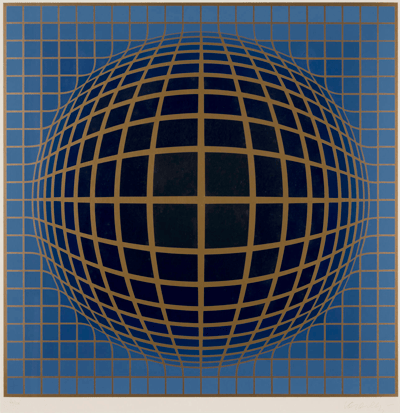
Victor Vasarely
B-Bomb-b (4), 1974
Limited Edition Print
Screen-print
Inquire For Price

Victor Vasarely
B-Bomb-b (3), 1974
Limited Edition Print
Screen-print
Inquire For Price

Victor Vasarely
B-Bomb-b (2), 1974
Limited Edition Print
Screen-print
Inquire For Price
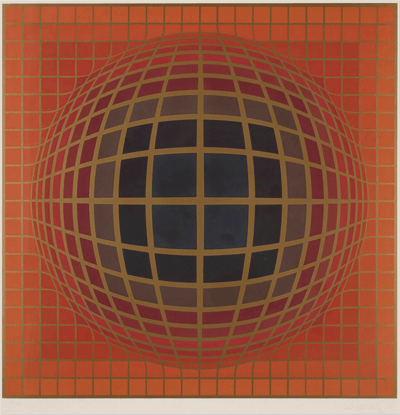
Victor Vasarely
B-Bomb-b (1), 1974
Limited Edition Print
Screen-print
Inquire For Price
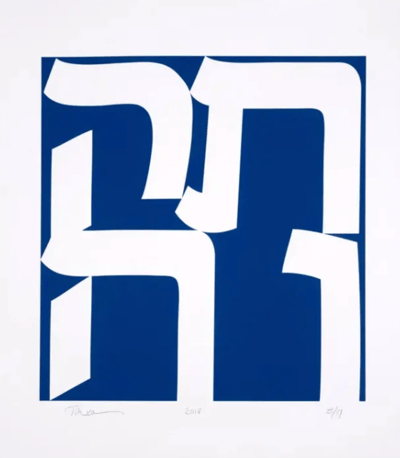
Robert Indiana
Tikva, 2018
Limited Edition Print
Screen-print
EUR 3,500 - 5,000
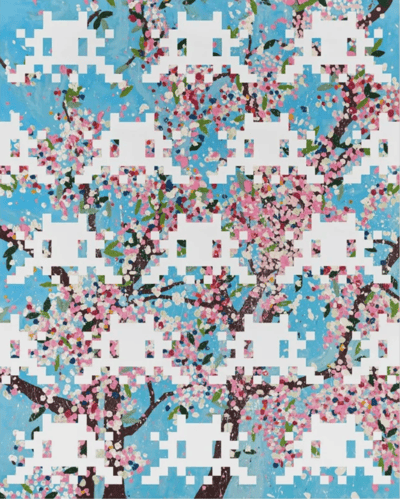
Invader
Invaded Blossom, 2026
Limited Edition Print
Giclée printing
EUR 6,500 - 9,000

Robert Indiana
Four Seasons of Hope (Gold), 2012
Limited Edition Print
Screen-print
USD 29,250

Robert Indiana
Four Seasons of Hope (Silver), 2012
Limited Edition Print
Screen-print
USD 29,250
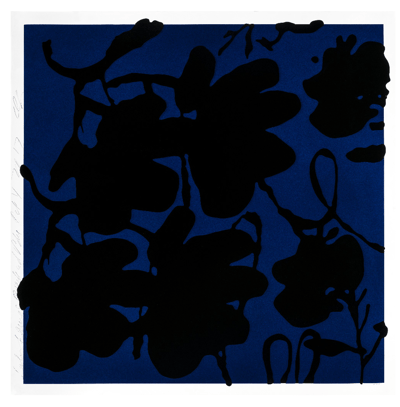
Donald Sultan
Lantern flowers (Black & blue), 2017
Limited Edition Print
Screen-print
USD 12,000

Donald Sultan
Fruit & Flowers, 1990’s
Limited Edition Print
Screen-print
USD 29,250
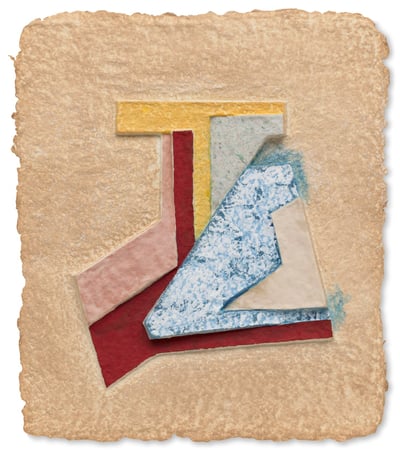
Frank Stella
Nowe Miastro (IV), from the Paper Relief Project, 1975
Drawing / Watercolor
Collage
USD 11,450
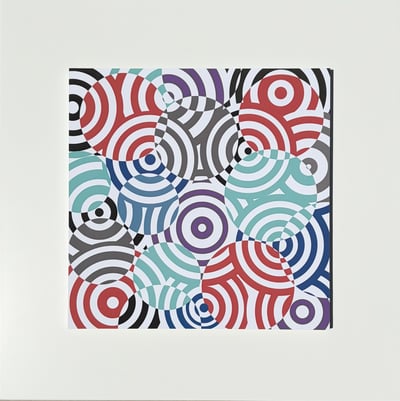
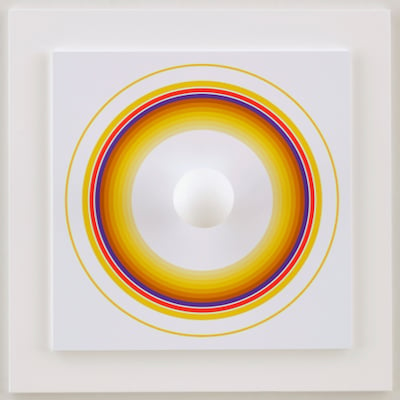
Antonio Asis
Interferences cercles de couleurs Gris Rouge, 2010
Limited Edition Print
Mixed Media
EUR 1,500
Related Articles

Generative art refers to art that is wholly or partly created through an autonomous system. This system can be independent or non-human, capable of determining features that would otherwise be decided by the artist. The generative system can act as the creator or as a collaborator with the artist. Generative art often refers to works generated algorithmically by computers, where the system plays a significant role in the creation process.
Monotype is a printmaking technique where an image is painted or drawn on a nonabsorbent, smooth surface, traditionally an etching plate of copper, but now also acrylic, zinc, or glass. The image is then transferred to paper using a printing press, creating a unique print. The first pressing removes most of the ink, making it difficult to produce additional prints with the same richness, resulting in a one-of-a-kind artwork.

Transavanguardia is the Italian version of Neo-Expressionism, referring to an art movement that emerged in Italy and other parts of Western Europe during the 1970s and 1980s. The term translates to beyond the avant-garde. Transavanguardia arose as a reaction against the dominance of conceptual art, reintroducing emotion and reviving painting as a primary medium. The movement marked a return to mythic imagery and figurative art, celebrating a rediscovery of traditional forms and themes in a contemporary context.
Can't find your Answer?
Thank you! Your question has been sent — we'll get back to you shortly.
