

What is Transvanguardia ?
- Show All
- Established
- Discoveries
- Show All
Artworks Related to Transavanguardia

Mimmo Paladino
Senza titolo, 1999
Drawing / Watercolor
Collage
EUR 12,000
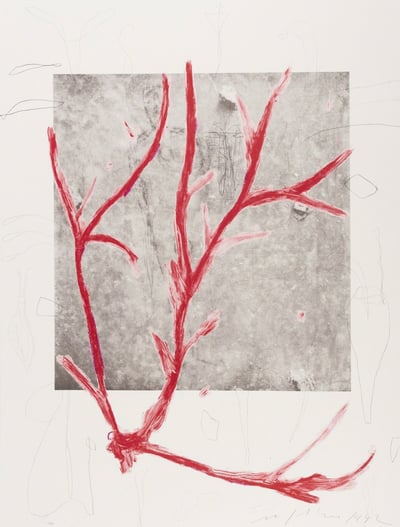
Mimmo Paladino
Untitled (Columbus: In Search of a New Tomorrow), 1992
Limited Edition Print
Screen-print
USD 800

Sandro Chia
Untitled (Columbus: In Search of a New Tomorrow), 1992
Limited Edition Print
Screen-print
Inquire For Price
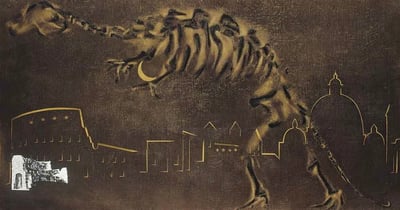
Enzo Cucchi
Roma, 1991
Limited Edition Print
Mixed Media
EUR 8,000

Sandro Chia
Senza titolo (Tavolo), 2001
Sculpture / Object
Mixed Media
Inquire For Price

Enzo Cucchi
L'elefante di Giotto, 1986
Limited Edition Print
Mixed Media
EUR 11,000

Enzo Cucchi
Sparire I, 1988
Limited Edition Print
Mixed Media
EUR 5,500

Enzo Cucchi
Sparire II, 1988
Limited Edition Print
Mixed Media
EUR 5,500

Enzo Cucchi
Uomini, 1989
Limited Edition Print
Etching and Aquatint
EUR 7,500
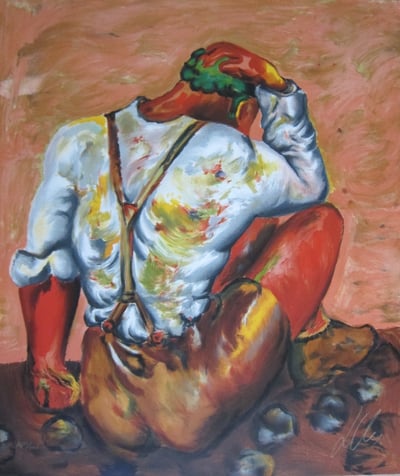
Sandro Chia
Lonely Explore, 1991
Limited Edition Print
Lithograph
EUR 1,900

Francesco Clemente
Reconciliazione, 1986
Limited Edition Print
Mixed Media
Currently Not Available
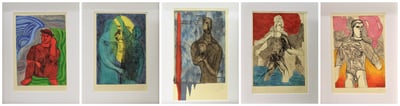
Sandro Chia
Elektra, 1995
Limited Edition Print
Mixed Media
EUR 2,500
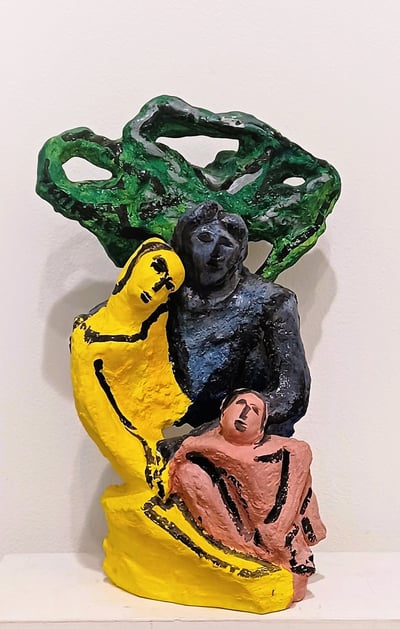
Sandro Chia
Figure con albero, 1994
Sculpture / Object
Ceramic
EUR 7,300
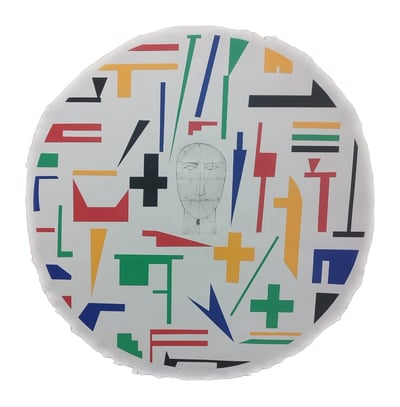
Mimmo Paladino
Scudo 3, 1999
Limited Edition Print
Mixed Media
EUR 2,530
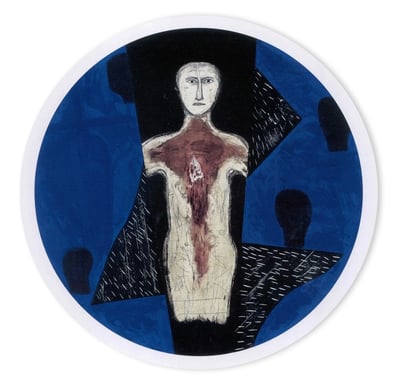
Mimmo Paladino
Oceania, 1996
Limited Edition Print
Mixed Media
EUR 2,530
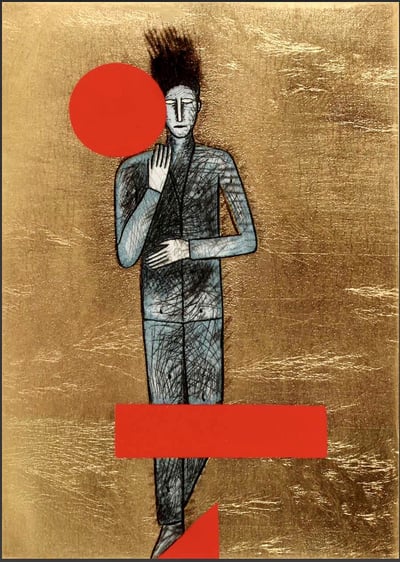
Mimmo Paladino
Sans Titre, 2001
Limited Edition Print
Mixed Media
EUR 1,250
Related Articles


A laser print is created by using red, blue, and green lasers to expose photographic silver halide paper. After exposure, the paper is processed with photographic chemicals to produce an archival-quality print. This digital technology results in sharp images with highly uniform color and excellent detail.

The Light and Space Movement refers to loosely affiliated art movements connected to minimalism, geometric abstraction, and op art that originated in Southern California in the 1960s. Greatly influenced by artist John McLaughlin, these artists focused on sensory phenomena such as light, perception, and space as central elements of their work. They also incorporated cutting-edge technologies from the aerospace and engineering industries to develop light-filled and sensuous objects, creating immersive experiences that emphasize the viewer's perception.

ZERO was an art movement founded by Otto Piene and Heinz Mack, aiming to develop into a large international and cross-border movement. The name ZERO originated from a magazine founded by Heinz Mack in 1957, which became a platform for the group's ideas. The magazine was published for several years before ceasing in 1967. The ZERO movement sought to create a new beginning in art, emphasizing light, space, and movement, and became influential in post-war European art.
Can't find your Answer?
Thank you! Your question has been sent — we'll get back to you shortly.
