
What is Generative Art?
- Show All
- Established
- Discoveries
- Show All
Artworks Related to Generative Art
Sol LeWitt
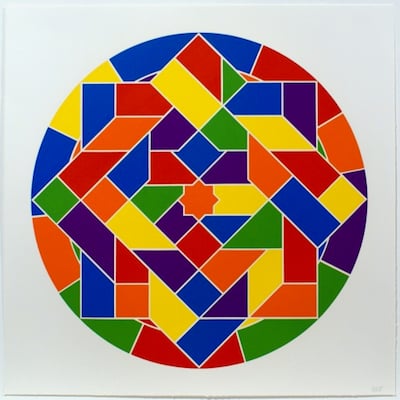
Plate 1 (from Five Geometric Figures in Five Colors), 1986
Limited Edition Print
Screen-print
USD 1,200

Sol LeWitt
Plate 7 (from Five Geometric Figures in Five Colors), 1986
Limited Edition Print
Screen-print
USD 1,200

Sol LeWitt
Plate 7 (from Five Geometric Figures in Five Colors), 1986
Limited Edition Print
Screen-print
USD 1,200

Sol LeWitt
Plate 15 (from Five Geometric Figures in Five Colors), 1986
Limited Edition Print
Screen-print
USD 1,200

Francois Morellet
Trame, 1957-1975
Limited Edition Print
Silkscreen
EUR 1,800
Sol LeWitt
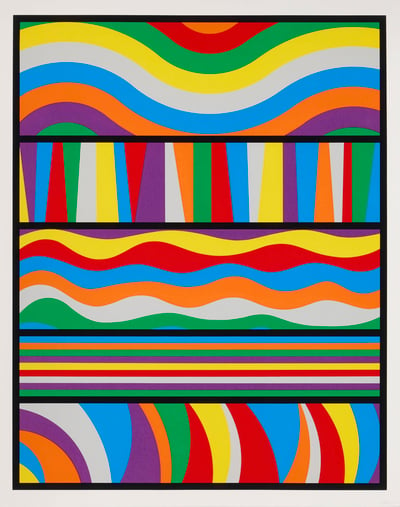
Lincoln Center Print, 1998
Limited Edition Print
Silkscreen
EUR 2,400
Sol LeWitt
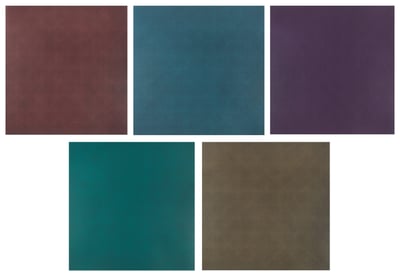
Black lines in Four Directions on Colors, 1991
Limited Edition Print
Silkscreen
Inquire For Price

Sol LeWitt
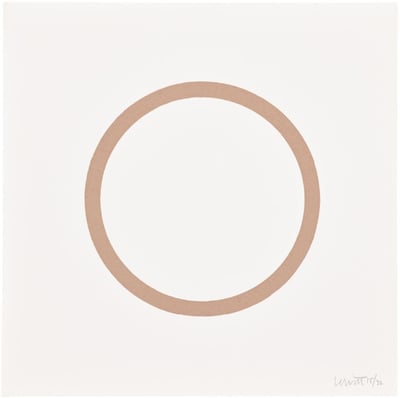
Circles from The New York Collection for Stockholm, 1973
Limited Edition Print
Lithograph
GBP 3,300

Miguel Chevalier
La Cannabis Sativa d’Edgar Poe Bleu Vert, 2025
Sculpture / Object
Acrylic sculpture
EUR 3,000

Miguel Chevalier
La Cannabis Sativa d’Edgar Poe Jaune Orange, 2025
Sculpture / Object
Acrylic sculpture
EUR 3,000

Sol LeWitt
Untitled (From The Edge of Awareness), 1998
Limited Edition Print
Screen-print
USD 2,000
Mel Bochner
Private Listing
Limited Edition Print

Mel Bochner
Blah Blah Blah (Inverse), 2022
Limited Edition Print
Silkscreen
Currently Not Available

Sol LeWitt
Cubes in Color on Color (Yellow/Purple), 2003
Limited Edition Print
Linocut
Currently Not Available

Donald Judd
A Group of 4 Aquatints 1, 1978-79
Limited Edition Print
Aquatint
Currently Not Available
Mel Bochner
Private Listing
Limited Edition Print
Related Articles
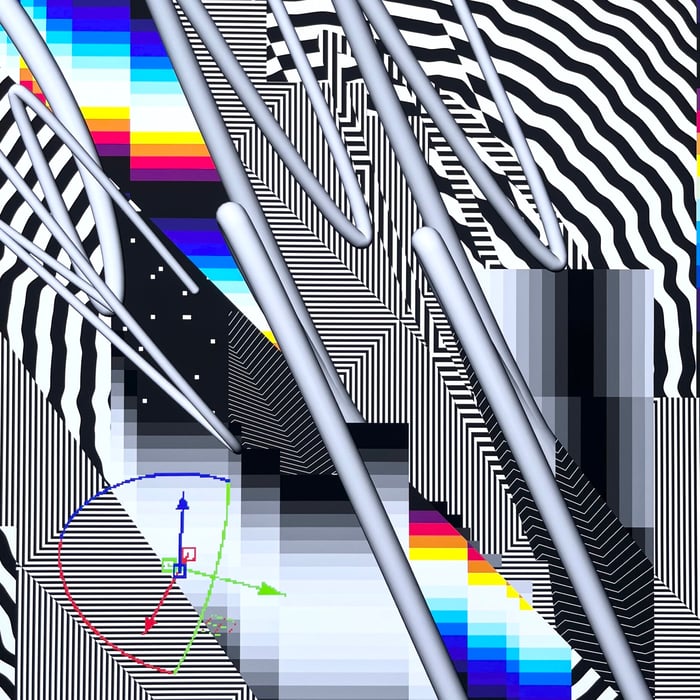
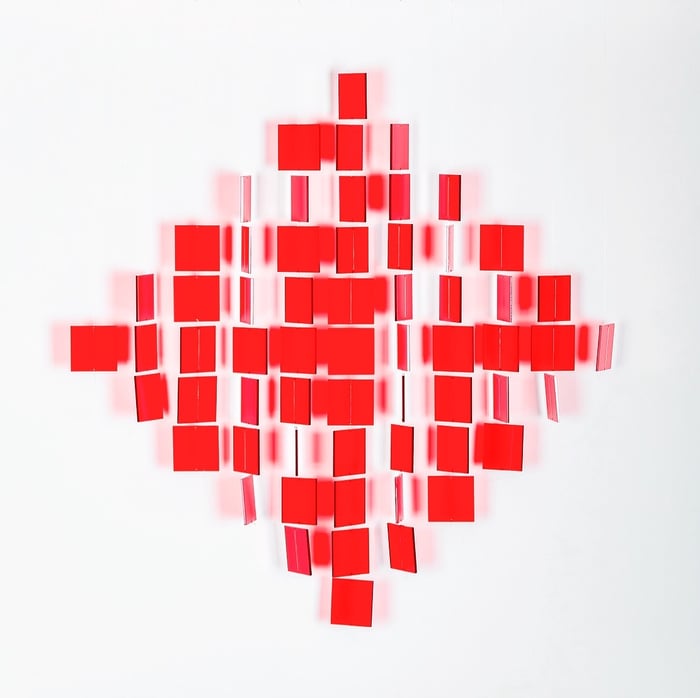
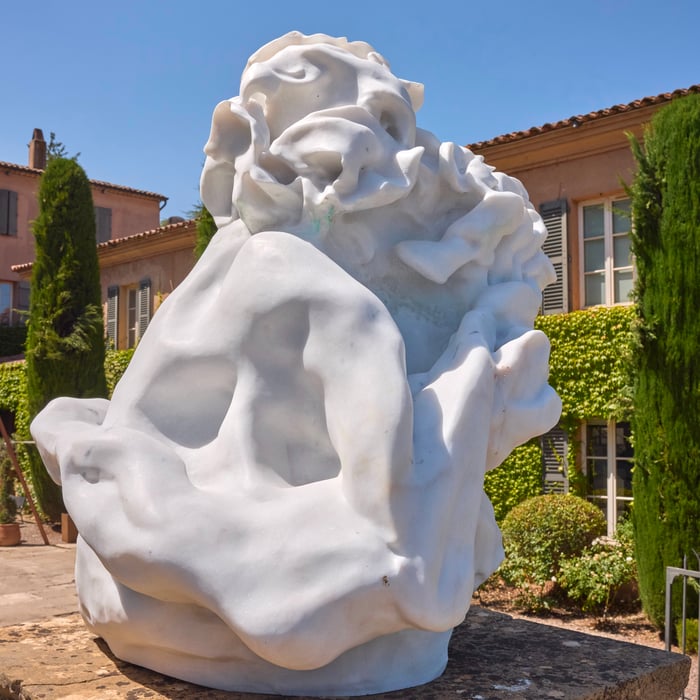

ZERO was an art movement founded by Otto Piene and Heinz Mack, aiming to develop into a large international and cross-border movement. The name ZERO originated from a magazine founded by Heinz Mack in 1957, which became a platform for the group's ideas. The magazine was published for several years before ceasing in 1967. The ZERO movement sought to create a new beginning in art, emphasizing light, space, and movement, and became influential in post-war European art.

A C-type print, also known as a chromogenic print, is a photographic print made from a color negative or slide. The print is created on chromogenic paper, which contains three emulsion layers, each sensitized to a different primary color. After exposure, the paper is processed in a series of chemical baths, where each layer reacts to the chemicals to produce the final image. C-type prints are known for their rich color depth and are widely used in fine art and commercial photography.
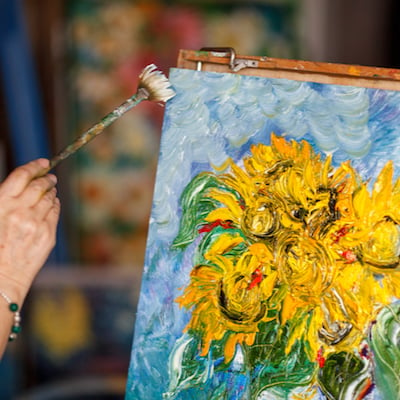
Oil paint is a slow-drying type of paint made from pigment particles suspended in a drying oil, typically linseed oil. The viscosity of the paint can be adjusted by adding a solvent like turpentine, and varnish can be added to increase the glossiness of the dried paint film. Oil painting has been used since the 12th century in Europe, initially for decoration, but it was not widely adopted as a primary painting medium until the 15th century.
Can't find your Answer?
Thank you! Your question has been sent — we'll get back to you shortly.
