
What is Generative Art?
- Show All
- Established
- Discoveries
- Show All
Artworks Related to Generative Art

Miguel Chevalier
Meta cités filaire rouge, 2019
Limited Edition Print
Mixed Media
EUR 3,000
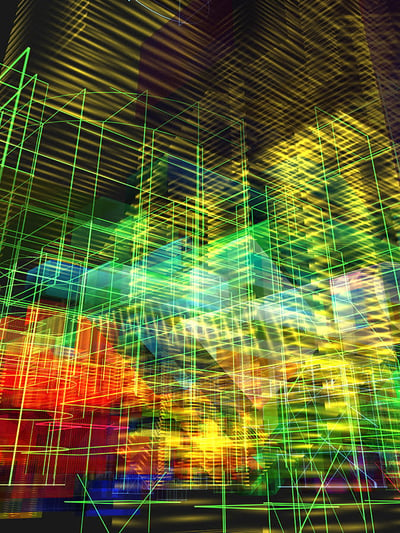
Miguel Chevalier
Meta cites light jaune vert, 2019
Limited Edition Print
Mixed Media
EUR 3,000

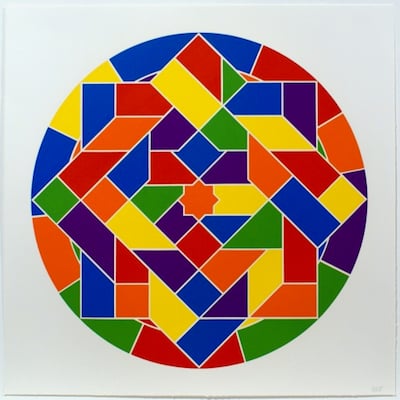
Vera Molnar
Lettres de ma mère (6), 1990
Limited Edition Print
Serigraph
EUR 4,950
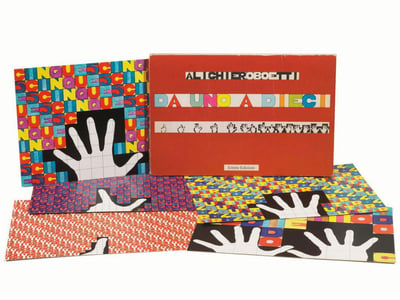
Alighiero Boetti
Da uno a dieci, 1980
Limited Edition Print
Offset Print
Currently Not Available

Francois Morellet
Chartres - vert orange, 1973
Limited Edition Print
Silkscreen
EUR 1,700

Francois Morellet
Chartres bleu rouge, 1973
Limited Edition Print
Silkscreen
EUR 1,700

Francois Morellet
Chartres - bleu violet, 1973
Limited Edition Print
Silkscreen
EUR 1,700

Sol LeWitt
Arcs from Four Corners, 1986
Limited Edition Print
Woodcut
Currently Not Available

Jennifer Bartlett
White Roses, 2013
Limited Edition Print
Serigraph
Currently Not Available

Francois Morellet
Ondes parasites 3, 2014
Limited Edition Print
Screen-print
EUR 2,150

Francois Morellet
Ondes parasites 2, 2014
Limited Edition Print
Screen-print
EUR 2,150

Francois Morellet
Ondes parasites 1, 2014
Limited Edition Print
Screen-print
EUR 2,150
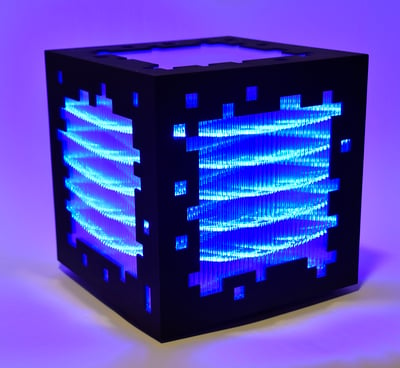
Miguel Chevalier
mini voxels light blue, 2015
Sculpture / Object
Mixed Media
EUR 4,500
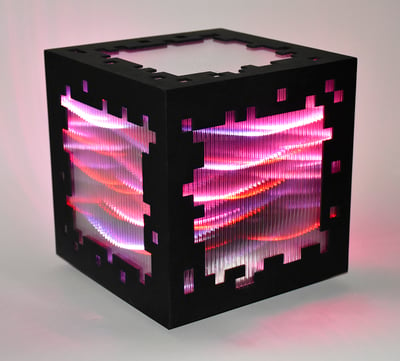
Miguel Chevalier
Mini voxels light red, 2015
Sculpture / Object
Mixed Media
EUR 4,500
Related Articles

Perspective refers to the techniques artists use to represent three-dimensional objects on a two-dimensional surface. These techniques create the illusion of depth and space, making objects appear as they do in the real world, despite the limitations of a flat surface. Common types of perspective include linear and atmospheric perspective.

A replica is a copy of an artwork that is so precisely made that it is nearly indistinguishable from the original. Artists may create replicas of their own work, or replicas can be produced for educational purposes, preservation, or display when the original cannot be shown. While replicas aim to closely mimic the original, they are usually identified as reproductions rather than original works.
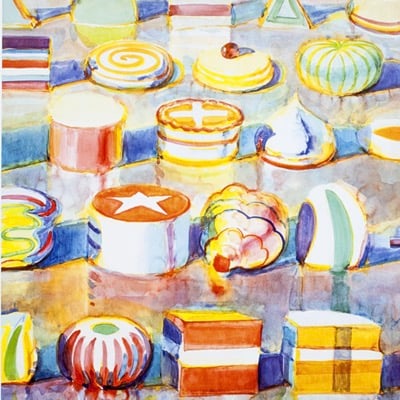
The Bay Area Figurative Movement, which also goes by the names Bay Area Figurative School, Bay Area Figurative Art, or Bay Area Figuration, came to existence in San-Francisco Bay Area. This was in the mid-20th century, when a group of artists from the area stopped working on the then popular Abstract Expressionism for a preference to figuration in painting. The movement lasted a total of two decades during the 1950's and 1960's.
Can't find your Answer?
Thank you! Your question has been sent — we'll get back to you shortly.
