

What is Bay Area Figurative Art ?
Artworks Related to Bay Area Figurative Art

Thiebaud Wayne
Three Cows, 1991
Limited Edition Print
Drypoint
USD 11,300

Thiebaud Wayne
Dark Hill River, 2002
Limited Edition Print
Mixed Media
Inquire For Price
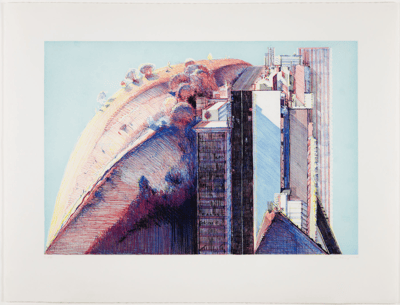
Thiebaud Wayne
Country City, 1988
Limited Edition Print
Mixed Media
Inquire For Price

Richard Diebenkorn
Folsom Street Variations II (Grey), 1986
Limited Edition Print
Mixed Media
USD 10,800

Richard Diebenkorn
Seated Woman in Arm Chair, 1965
Limited Edition Print
Lithograph
Currently Not Available

Richard Diebenkorn
Green Tree Spade, 1982
Limited Edition Print
Mixed Media
Currently Not Available

Richard Diebenkorn
Spade Drypoint, 1982
Limited Edition Print
Drypoint
Inquire For Price

Richard Diebenkorn
Sugarlift Spade, 1982
Limited Edition Print
Aquatint
Inquire For Price

Thiebaud Wayne
Cut Cakes, 2015
Limited Edition Print
Mixed Media
USD 14,250
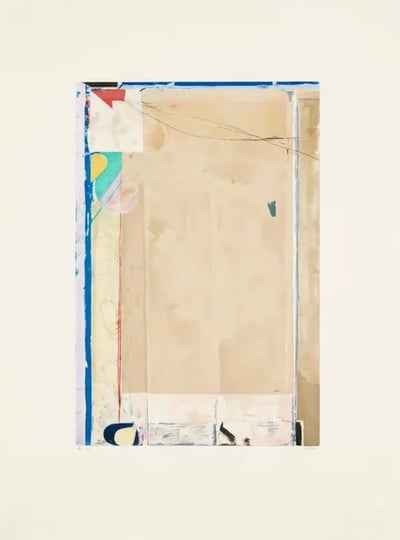
Richard Diebenkorn
Touched Red, 1991
Limited Edition Print
Mixed Media
Inquire For Price

Thiebaud Wayne
Crown Tart, 2015
Limited Edition Print
Mixed Media
USD 11,900

Richard Diebenkorn
Seated woman, 1965
Limited Edition Print
Lithograph
USD 3,250

Thiebaud Wayne
Trout Fishing in America, 1994
Limited Edition Print
Lithograph
USD 5,500

Richard Diebenkorn
Double Map of Ireland, 1990
Limited Edition Print
Etching
USD 2,990
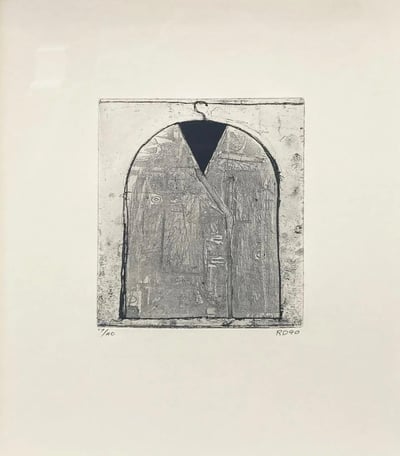
Richard Diebenkorn
Coat IV, 1990
Limited Edition Print
Etching
USD 2,650

Richard Diebenkorn
Untitled (for Harvey Gantt), 1990
Limited Edition Print
Lithograph
USD 3,400
Related Articles

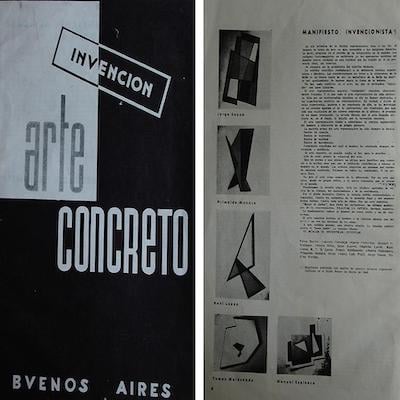
The Manifesto Invencionista was published in 1946, marking the beginning of the concrete art movement in Buenos Aires, Argentina. Written by artist Tomás Maldonado and published by the Asociación Arte Concreto-Invención, the manifesto announced the principles of Concrete Art. Concrete art is purely abstract, with no reference to visual reality, emphasizing geometric forms and the materiality of the artwork itself.

Pixel Art is a form of digital art created by placing individual pixels, similar to assembling a mosaic where each small piece contributes to a larger image. The style is often associated with nostalgia, as it draws on the techniques used in early video game graphics. Pixel art has seen a resurgence in popularity, both as a nod to retro aesthetics and as a distinct artistic style in modern digital art.

Earth art, also known as Land Art, emerged in the 1960s and 70s as part of the conceptual art movement. It involves creating artworks by sculpting the land or constructing structures in the landscape using natural materials like earth, rocks, or twigs. These works are often large-scale and emphasize the relationship between art and nature.
Can't find your Answer?
Thank you! Your question has been sent — we'll get back to you shortly.
