

What is Figuration Libre?
- Show All
- Established
- Discoveries
- Show All
Artworks Related to Figuration Libre

Keith Haring
The Story of Red and Blue #5, 1989–90
Limited Edition Print
Screen-print
USD 4,500

Keith Haring
The Story of Red and Blue #2, 1989-1990
Limited Edition Print
Screen-print
USD 4,500
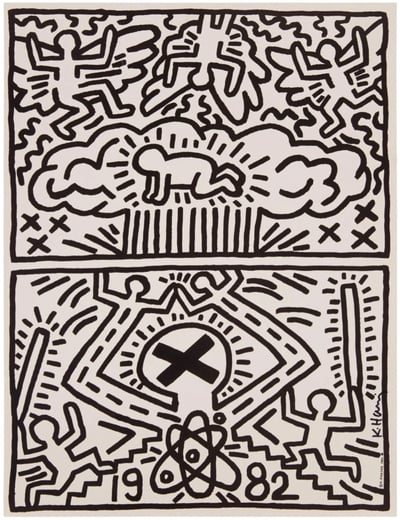
Keith Haring
Poster for Nuclear Disarmament, 1982
Limited Edition Print
Offset Print
USD 11,000 - 15,000

Susan Rothenberg
Twisted Cat from the Artist for Obama, 2008
Limited Edition Print
Lithograph
USD 1,350
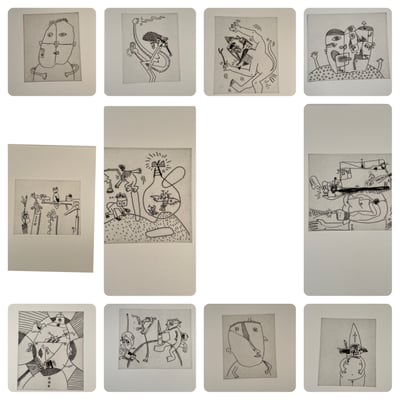
Keith Haring
Untitled (w/ Sean Kalish) - set, 1989
Limited Edition Print
Etching
USD 35,000 - 45,000

Keith Haring
Untitled (w/ Sean Kalish) #3, 1989
Limited Edition Print
Etching
USD 3,600
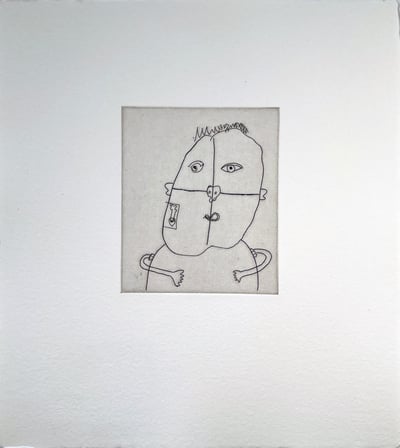
Keith Haring
Untitled (w/ Sean Kalish) #1, 1989
Limited Edition Print
Etching
USD 3,600

Keith Haring
Story of Red and Blue #19, 1989
Limited Edition Print
Lithograph
USD 6,150

Keith Haring
Story of Red and Blue #17, 1989
Limited Edition Print
Lithograph
USD 5,500

Keith Haring
Story of Red and Blue #13, 1989
Limited Edition Print
Lithograph
USD 4,950
Keith Haring
Private Listing
Painting
Keith Haring
Private Listing
Drawing / Watercolor
Keith Haring
Private Listing
Drawing / Watercolor

Keith Haring
New Year's Invitation '88 (Nude) (TP), 1988
Limited Edition Print
Screen-print
USD 8,500
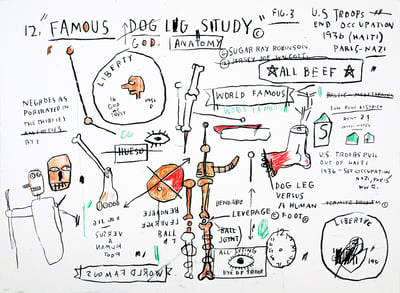
Jean-Michel Basquiat
Dog Leg Study, 1982
Limited Edition Print
Screen-print
Inquire For Price
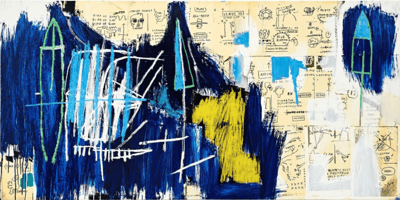
Jean-Michel Basquiat
Odours Of Punt, 1983-2024
Limited Edition Print
Screen-print
Inquire For Price
Related Articles

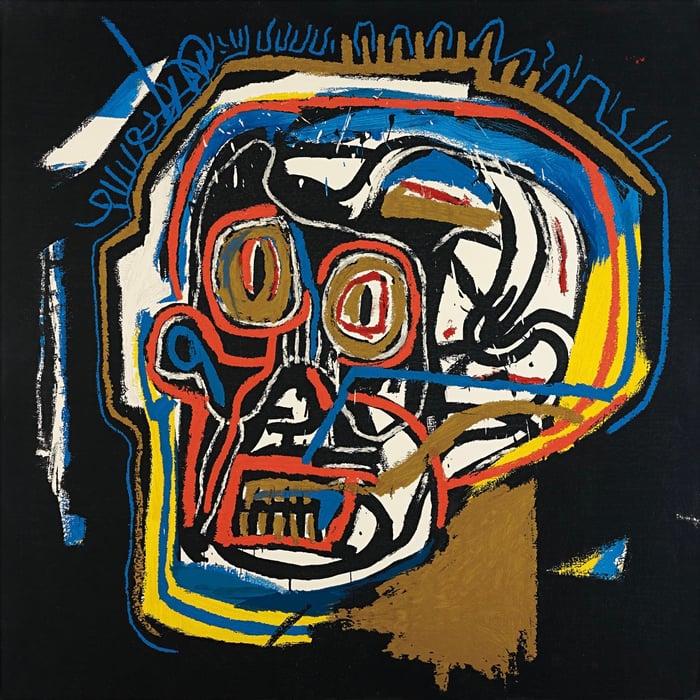
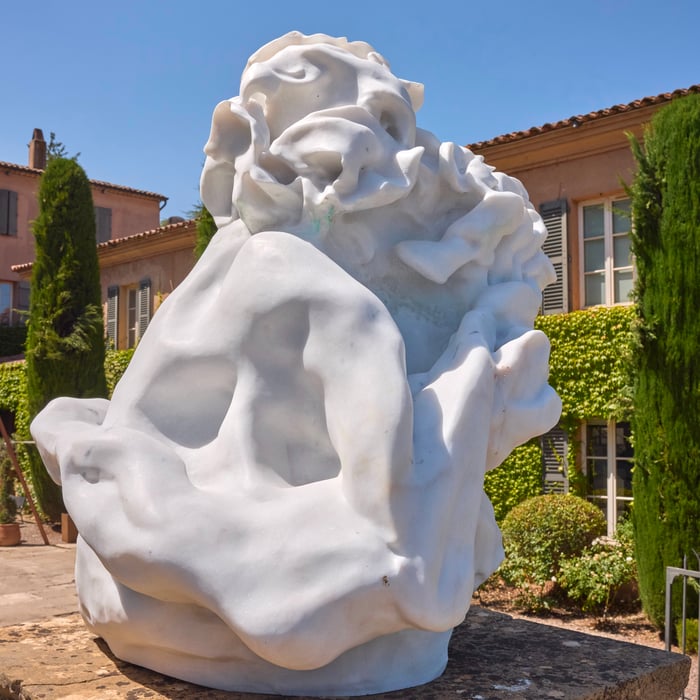

Geometric abstraction is a form of abstract art that uses geometric shapes arranged in a non-illusionistic space (though not always) and combined into non-representational (non-objective) compositions. Based on years of artistic research, some artists have proposed that geometric abstraction offers a solution to modern challenges by rejecting traditional illusionistic practices in favor of clarity and simplicity.

Light art refers to artworks that use light as the primary medium. These can include sculptures or installations that interact with the natural or urban environment. Light art can be suspended, in relief, ground-based, permanent, or temporary. There are two main types of light art: one displayed indoors in galleries and another exhibited outdoors. Light art has been used throughout human history, from ancient times to contemporary public installations.
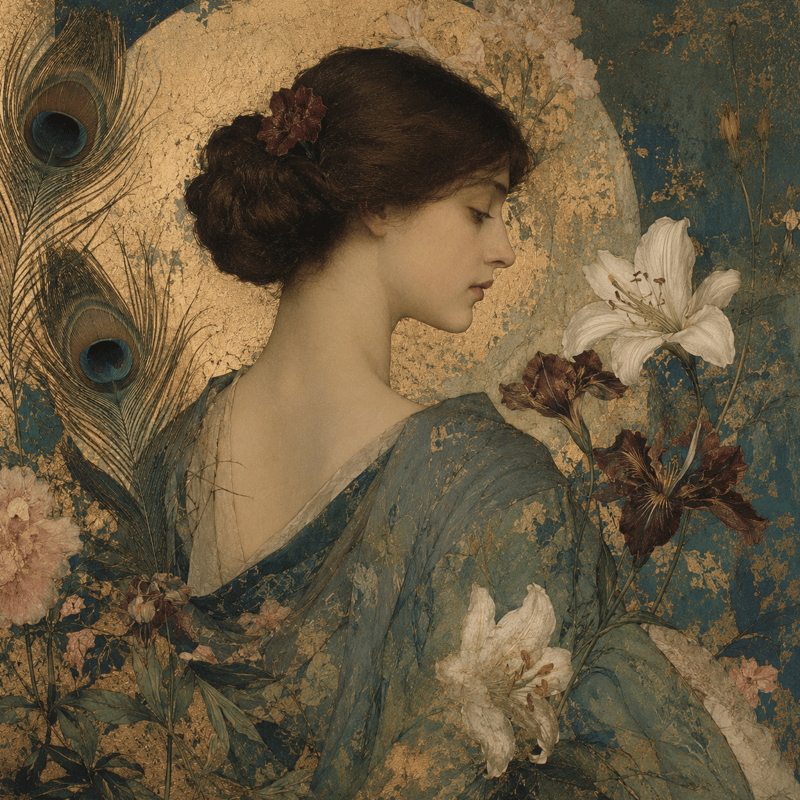
The Aesthetic Movement emerged in the late 19th century, emphasizing the beauty and sensual qualities of art over practical or moral considerations. It promoted the idea of creating art for its own sake, valuing beauty and aesthetic experience as ends in themselves. The movement was particularly influential in Britain.
Can't find your Answer?
Thank you! Your question has been sent — we'll get back to you shortly.
