
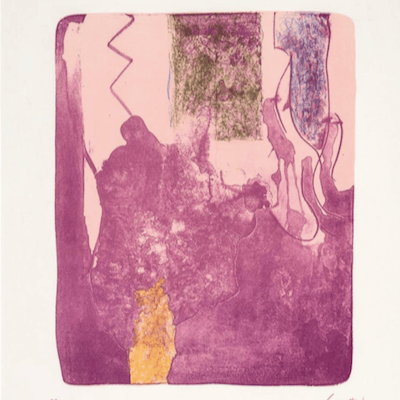
What is lyrical abstraction ?
- Show All
- Established
- Discoveries
- Show All
Artworks Related to Lyrical Abstraction
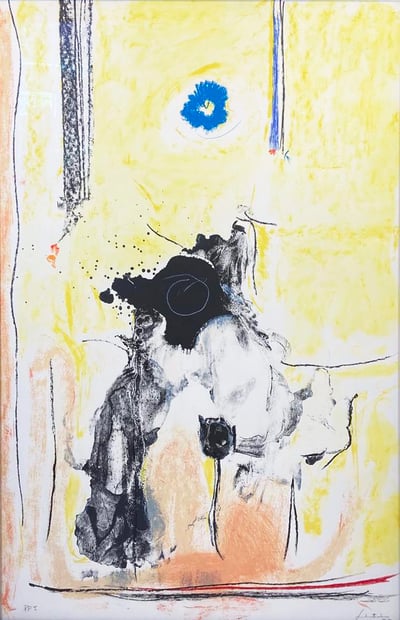
Helen Frankenthaler
Madame de Pompadour, 1985
Limited Edition Print
Lithograph
USD 14,250
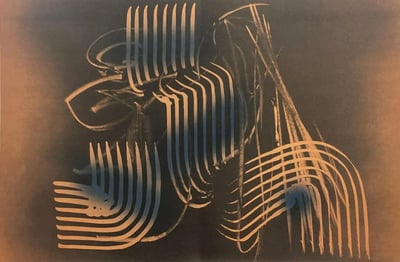
Hans Hartung
Lithograph V from Farandole, 1971
Limited Edition Print
Lithograph
USD 1,280
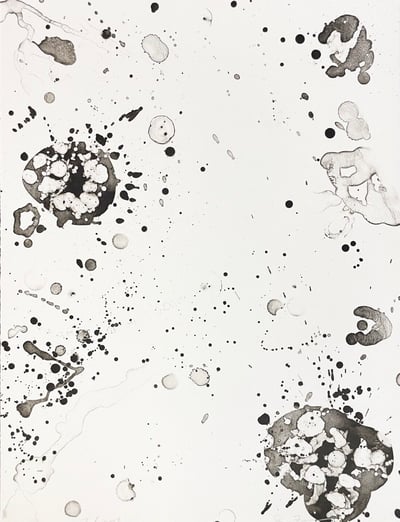
Sam Francis
Spring Solution, 1972
Limited Edition Print
Lithograph
Inquire For Price
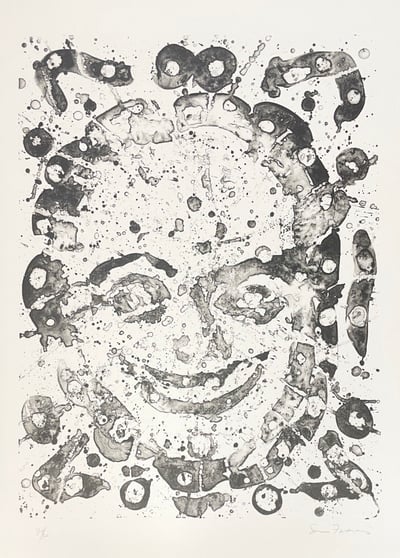
Sam Francis
Self Portrait (SF-051), 1976
Limited Edition Print
Lithograph
Inquire For Price
Frank Stella
Private Listing
Sculpture / Object

Frank Stella
Union (from Eccentric Polygons), 1974
Limited Edition Print
Mixed Media
USD 9,500

Frank Stella
Sanbornville, 1974
Limited Edition Print
Mixed Media
USD 9,500

Frank Stella
Quathlamba I, 1968
Limited Edition Print
Lithograph
USD 11,900
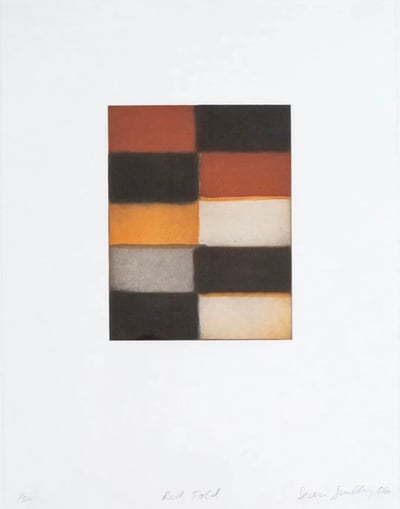
Sean Scully
Red Fold, 2006
Limited Edition Print
Aquatint
USD 6,000

Helen Frankenthaler
Valentine for Mr. Wonderful (book), 1995
Limited Edition Print
Intaglio
USD 15,700

Hans Hartung
Lithograph XII from Farandole, 1971
Limited Edition Print
Lithograph
USD 1,280

Frank Stella
Bene Come il Sale, 1989
Limited Edition Print
Etching and Aquatint
USD 34,900

Sam Francis
Untitled (SF-345), 1991
Limited Edition Print
Lithograph
USD 20,000 - 25,000

Helena Vieira da Silva
Azteque (Tumulus), 1971
Limited Edition Print
Lithograph
Currently Not Available

Helena Vieira da Silva
Untitled (Rua das Chagas), 1987
Limited Edition Print
Lithograph
Currently Not Available
Sam Francis
Private Listing
Drawing / Watercolor
Related Articles


Magnum Photos is a photographic cooperative founded in 1947 by four photographers: Robert Capa, Henri Cartier-Bresson, George Rodger, and David Chim Seymour. Based in New York, the organization was created to give photographers the freedom to document the human condition with compassion and integrity. Magnum Photos has an extensive historical image library, capturing world events and offering a unique perspective on global history.

Sometimes known as Figurativism, figurative art refers to sculptures and paintings that are clearly or specifically derived from real objects, making them representational. The term figurative art is often used in contrast to abstract art. However, since the emergence of abstract art, figurative art has come to describe any form of modern art that has strong references to the real world or actual situations.
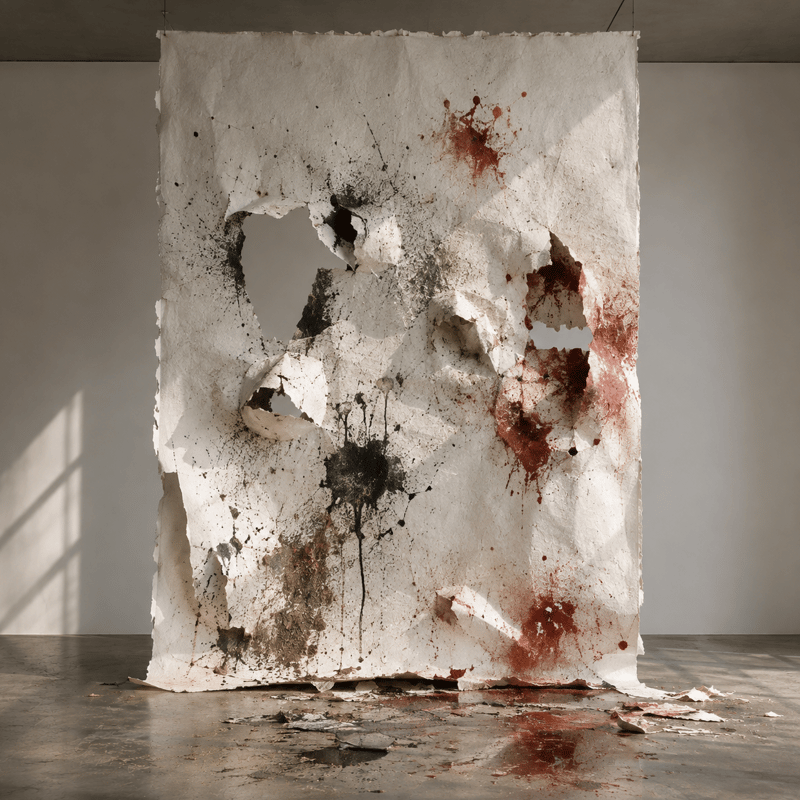
Gutai was a group of Japanese radical artists who formed the Gutai Art Association in 1954. The word Gutai translates to embodiment. The group was known for creating art on the spot for live audiences, often incorporating their own physical movements. Their performances included actions like throwing paint, piercing paper, and rolling in mud, emphasizing the direct interaction between the body and the material.
Can't find your Answer?
Thank you! Your question has been sent — we'll get back to you shortly.
