

What is photorealism?
- Show All
- Established
- Discoveries
- Show All
Artworks Related to Photorealism

Gerhard Richter
Skull and Candle, 1995
Limited Edition Print
Offset Print
GBP 14,000 - 18,000
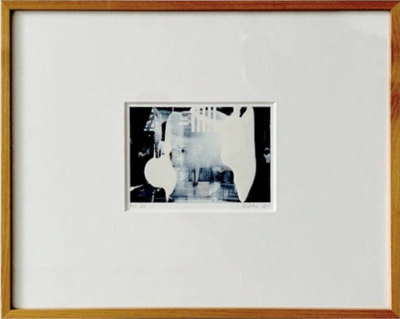
Gerhard Richter
MV. 20, 2011
Photography
Mixed Media
Inquire For Price
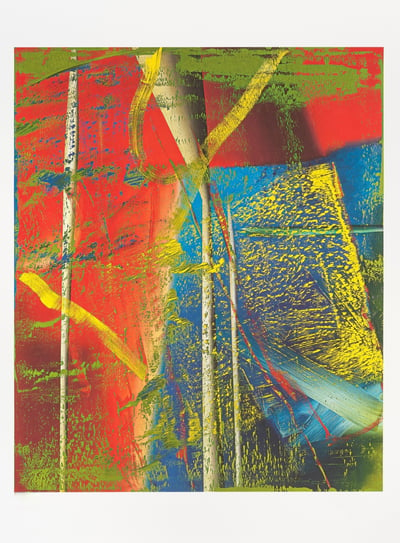
Gerhard Richter
Juno, 1983 (Werk 528), 1982/2025
Limited Edition Print
Mixed Media
EUR 1,880
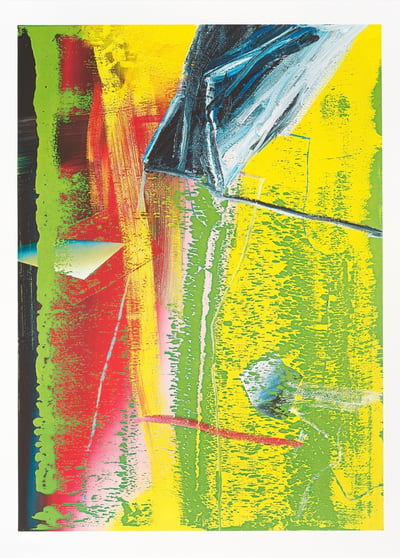
Gerhard Richter
Abstraktes Bild, 1982 (Werk 503), 1982/2025
Limited Edition Print
Mixed Media
EUR 1,880
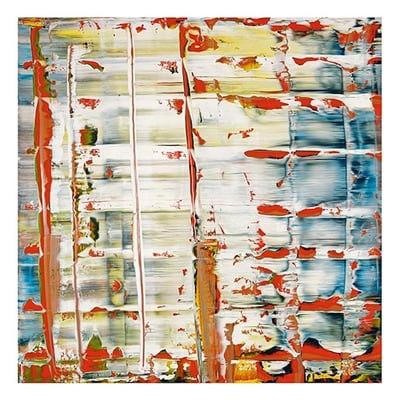
Gerhard Richter
Abstraktes Bild, 1992/2023
Limited Edition Print
Mixed Media
EUR 1,880

Robert Longo
Rippling Water, 2016
Limited Edition Print
Archival Print
EUR 10,000 - 12,000

Robert Longo
Horsehead Nebula, 2008
Limited Edition Print
Pigment print
EUR 14,000 - 17,000

Robert Longo
Head of Christ, 2018
Limited Edition Print
Archival Print
EUR 9,000 - 12,000

Robert Longo
Freud’s Desk and Chair, Study Room, 2004
Limited Edition Print
Pigment print
EUR 9,000 - 12,000

Robert Longo
Earth, 2017
Limited Edition Print
Archival Print
EUR 6,000 - 8,000
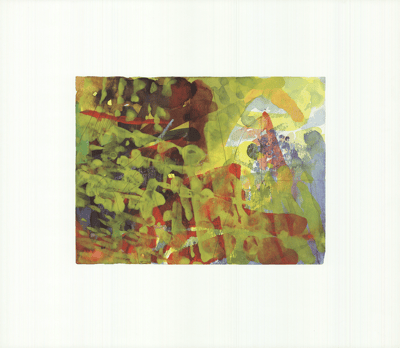
Gerhard Richter
IBM (G.EL.2, 18.1.1984), 1987
Limited Edition Print
Offset Print
USD 7,000 - 10,000
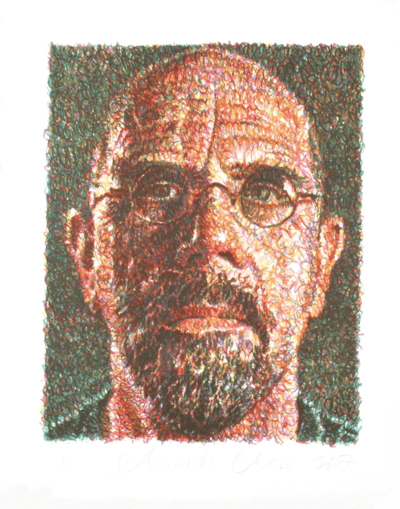
Chuck Close
Self Portrait (Lincoln Center), 2007
Limited Edition Print
Screen-print
USD 12,000 - 17,000
Gerhard Richter
Elizabeth 1, 1966
Limited Edition Print
Offset Print
Currently Not Available
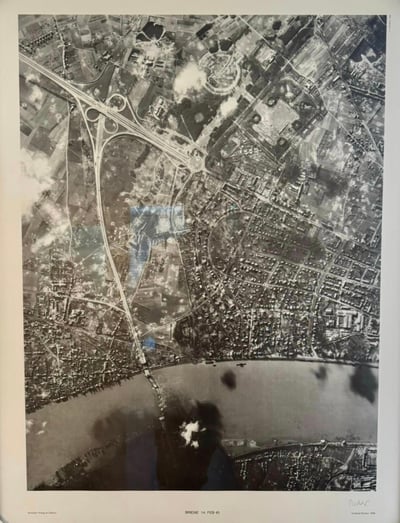
Gerhard Richter
Bridge 14 FEB 45 (III), 2000
Limited Edition Print
Offset Print
GBP 12,000 - 16,000

Robert Longo
Wall of Ice, 2017
Limited Edition Print
Pigment print
EUR 7,500

Robert Longo
White Snow Trees of the Black Forest, 2020
Limited Edition Print
Pigment print
EUR 7,500
Related Articles
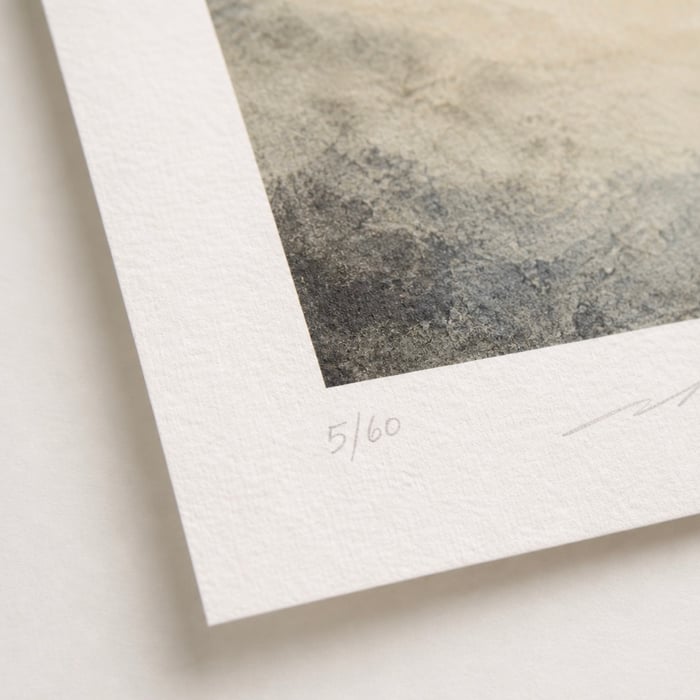
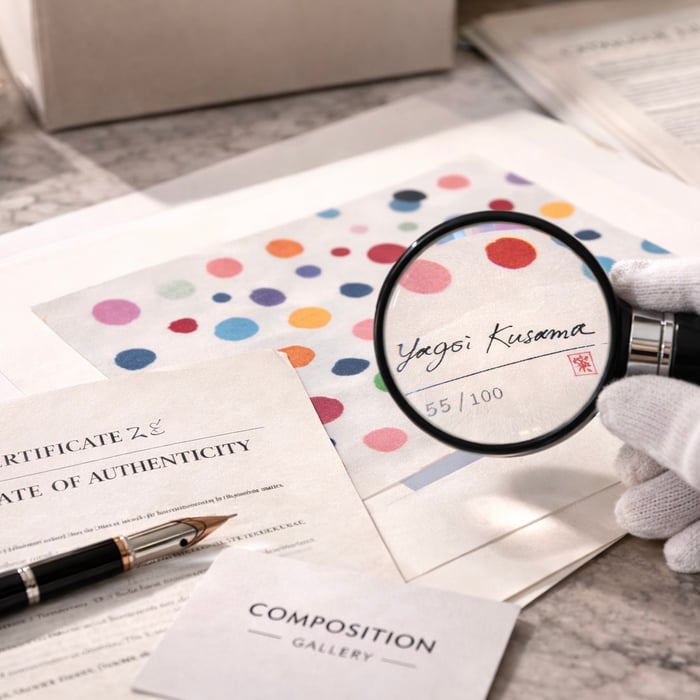
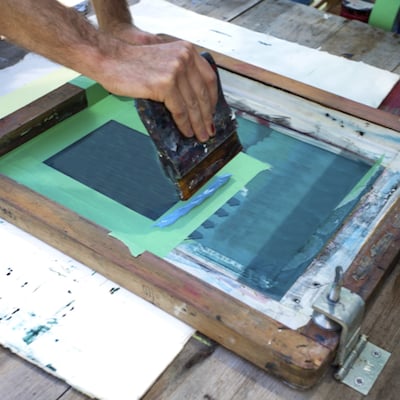
Serigraph is a printmaking process that uses silk screen techniques to create an image. The image is digitally separated into individual colors, each of which is assigned to a separate silk screen. These screens are then used to apply each color by hand, layer by layer, to replicate the original artwork, often based on an oil painting.

A pigment is a material that changes the color of light by selectively absorbing certain wavelengths and reflecting others. Unlike phosphorescence or fluorescence, where materials emit light, pigments work by altering the light that passes through or is reflected from them. In art, pigments are chosen for their special properties, such as high tinting strength, making them ideal for coloring various materials.

In the 1960s, Funk Art emerged as a reactive movement against Abstract Expressionism. It was widely known as an anti-establishment movement, with the name derived from the jazz term funky. This term carried both positive and negative connotations: in the jazz world, it described passion, quirkiness, and sensuality, but it could also refer to a foul odor. Funk Art was particularly popular in the California Bay Area. While the artists of the Funk Art era shared similar attitudes and styles, they did not see themselves as part of a formal group or movement.
Can't find your Answer?
Thank you! Your question has been sent — we'll get back to you shortly.
