

What is plaster?
Plaster is a mixture of heat-treated powdered gypsum combined with water to create a workable material. It can be used to make solid sculptures, cast in molds, carved, modeled, or attached to other materials. Artists have used plaster for both working models and finished artworks for centuries due to its versatility.
Artworks Related to Plaster
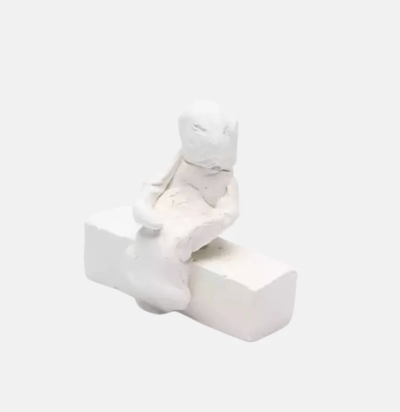
Tracey Emin
Me Me, 2014
Sculpture / Object
Plaster
GBP 4,200
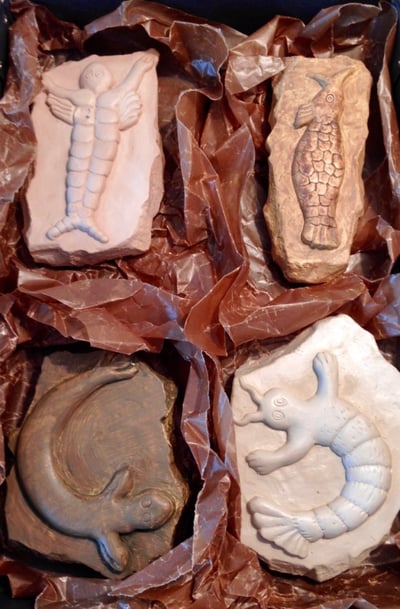
Mark Dion
Emanations of the Earth, 2017
Sculpture / Object
Plaster
Currently Not Available
Related Articles


A pigment is a material that changes the color of light by selectively absorbing certain wavelengths and reflecting others. Unlike phosphorescence or fluorescence, where materials emit light, pigments work by altering the light that passes through or is reflected from them. In art, pigments are chosen for their special properties, such as high tinting strength, making them ideal for coloring various materials.

In the 1960s, Funk Art emerged as a reactive movement against Abstract Expressionism. It was widely known as an anti-establishment movement, with the name derived from the jazz term funky. This term carried both positive and negative connotations: in the jazz world, it described passion, quirkiness, and sensuality, but it could also refer to a foul odor. Funk Art was particularly popular in the California Bay Area. While the artists of the Funk Art era shared similar attitudes and styles, they did not see themselves as part of a formal group or movement.

Xiamen Dada was a Chinese artist group based in Xiamen, a city on China’s southeast coast. Emerging in the 1980s, the group explored the relationship between Chan Buddhism and European Dada, embracing absurdity and the use of chance in the creation of their artworks. Xiamen Dada sought to challenge conventional artistic norms, blending Eastern philosophy with the avant-garde practices of Dada, and became known for their provocative and unconventional approach to art.
Can't find your Answer?
Thank you! Your question has been sent — we'll get back to you shortly.
