

What is Tachisme?
- Show All
- Established
- Discoveries
- Show All
Artworks Related to Tachisme

Antoni Tapies
Damunt diari, 1975
Limited Edition Print
Etching
EUR 4,250
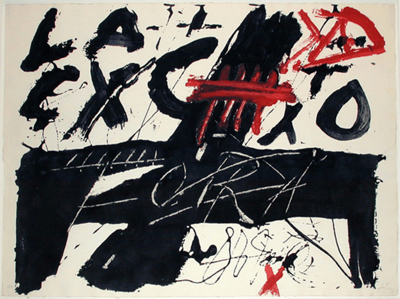
Antoni Tapies
Fora, 1976
Limited Edition Print
Mixed Media
EUR 5,450

Antoni Tapies
Llambrec-11, 1975
Limited Edition Print
Lithograph
EUR 1,800

Antoni Tapies
Poems 5, 1974
Limited Edition Print
Lithograph
EUR 1,900

Karel Appel
Cats, 1979
Limited Edition Print
Lithograph
Inquire For Price

Hans Hartung
Lithograph XII from Farandole, 1971
Limited Edition Print
Lithograph
USD 1,280

Antoni Tapies
Primer Congreso Nacional de Neuropedriatria, 1982
Limited Edition Print
Etching
EUR 1,875

Antoni Tapies
Roig I negre 2, 1985
Limited Edition Print
Mixed Media
EUR 12,950

Sam Francis
Untitled (SF-345), 1991
Limited Edition Print
Lithograph
USD 20,000 - 25,000
Sam Francis
Private Listing
Drawing / Watercolor

Sam Francis
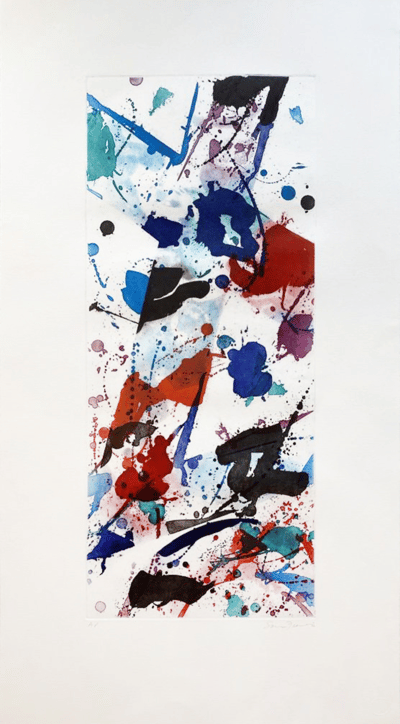
Untitled (SFE-029), 1983
Limited Edition Print
Aquatint
USD 14,400
Sam Francis
Untitled (SFE-014), 1984
Limited Edition Print
Aquatint
USD 12,900

Sam Francis
Untitled (SFE-072), 1989
Limited Edition Print
Mixed Media
USD 9,600
Sam Francis
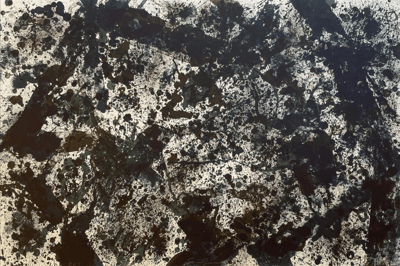
Dark Cup (SF-141), 1973
Limited Edition Print
Lithograph
USD 6,700
Sam Francis
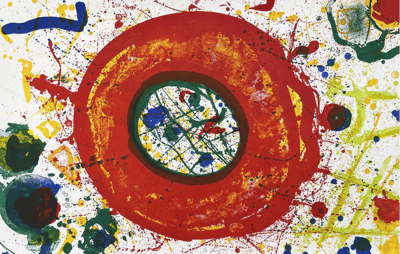
Untitled (SF-356), 1992
Limited Edition Print
Lithograph
USD 14,400
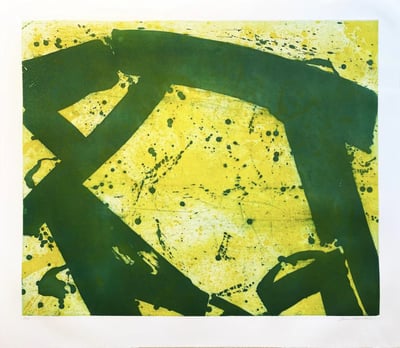
Sam Francis
Untitled (SFE-073RC), 1973
Limited Edition Print
Etching and Aquatint
USD 7,800
Related Articles
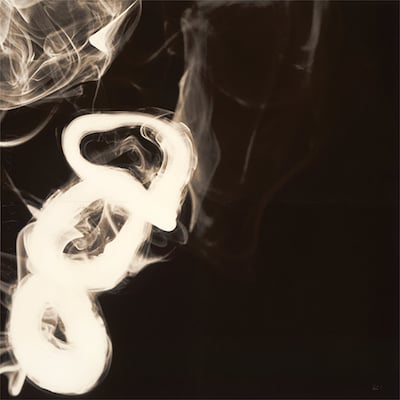
An archival print refers to a fine art reproduction of museum quality, created using the highest quality materials and methods. These prints are produced on the finest papers and with inks specifically designed to resist color fading over time. Drawings and paintings are reproduced using a fine art printer with exceptionally high resolution, ensuring longevity and preservation of the artwork.
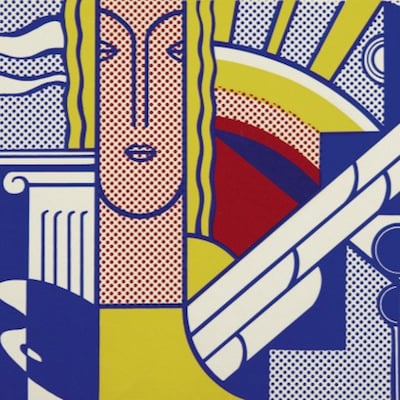
Late Modernism refers to the continuation and evolution of Modernist principles in art, architecture, and literature from the mid-20th century into the late 20th century. This movement maintains a focus on form, abstraction, and the rejection of traditional styles, but it often incorporates more complexity and ambiguity compared to early Modernism. Late Modernism explores themes such as alienation, identity, and the fragmentation of reality, reflecting the social and cultural shifts of the post-war period. It is seen in the works of architects like Louis Kahn and artists like Francis Bacon, who pushed the boundaries of Modernism while responding to the changing world around them.

A triptych is an artwork divided into three sections or panels, often hinged together, allowing it to be displayed open or folded shut. It is a type of polyptych, a term for multi-panel artworks. Typically, the central panel is the largest, flanked by two smaller panels, although some triptychs have panels of equal size. Triptychs have been historically significant in religious art but are also used in contemporary works.
Can't find your Answer?
Thank you! Your question has been sent — we'll get back to you shortly.
