

Who are the Young British Artists - YBA
- Show All
- Established
- Discoveries
- Show All
Artworks Related to Young British Artists (YBAs)
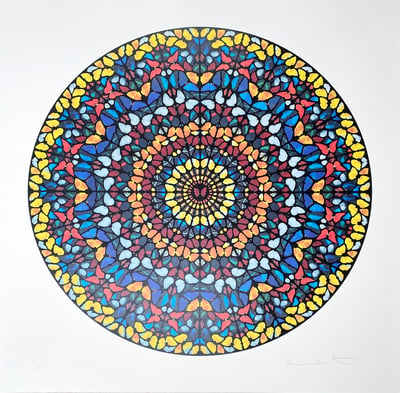
Damien Hirst
Entreaty (Glitter), 2013
Limited Edition Print
Mixed Media
USD 70,000 - 80,000
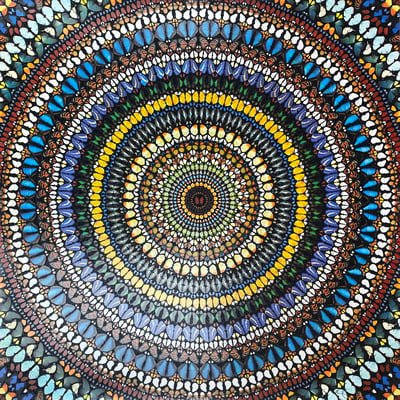
Damien Hirst
Covenant DD, 2013
Limited Edition Print
Screen-print
USD 70,000 - 80,000
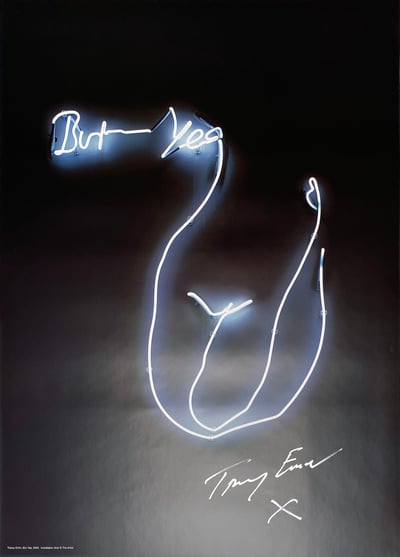
Tracey Emin
But Yea, 2015
Limited Edition Print
Offset Print
USD 2,600
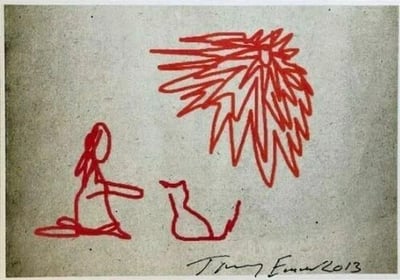
Tracey Emin
Nativity series (cat), 2013
Limited Edition Print
Giclée printing
GBP 900

Tracey Emin
Nativity series (kneeling), 2013
Limited Edition Print
Giclée printing
GBP 950

Tracey Emin
If I Could Just Go Back & Start Again, 2005
Limited Edition Print
Offset Print
GBP 4,600

Tracey Emin
Closed, 2013
Limited Edition Print
Etching
GBP 2,700

Tracey Emin
The Sex Series (set of 5), 2013
Limited Edition Print
Giclée printing
GBP 6,850

Tracey Emin
My Favourite Little Bird, 2010
Limited Edition Print
Offset Print
GBP 3,300

Tracey Emin
You Loved Me Like A Distant Star, 2016
Limited Edition Print
Digital Print on paper
GBP 4,800

Tracey Emin
The Kiss Was Beautiful, 2012
Limited Edition Print
Digital Print on paper
GBP 5,900
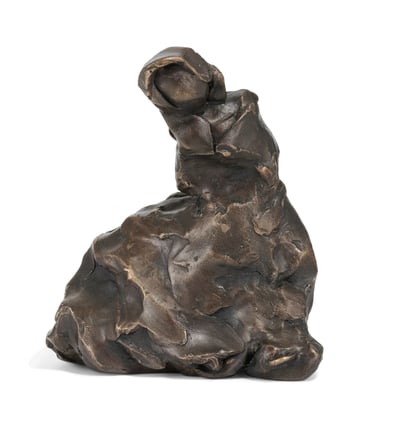
Tracey Emin
The Wedding, 2019
Sculpture / Object
Bronze
GBP 13,000 - 17,000

Tracey Emin
Love Is What You Want, 2011 / 2015
Limited Edition Print
Offset Print
GBP 4,200

Damien Hirst
H9-6 Honour (from the Virtues), 2021
Limited Edition Print
Mixed Media
GBP 10,000 - 15,000

Peter Blake
Some of the Sources of Pop Art VII, 2007
Limited Edition Print
Silkscreen
GBP 9,000 - 12,000

Damien Hirst
H12-14 (Large) from The Beautiful Paintings, 2023
Painting
Mixed Media
GBP 5,850
Related Articles

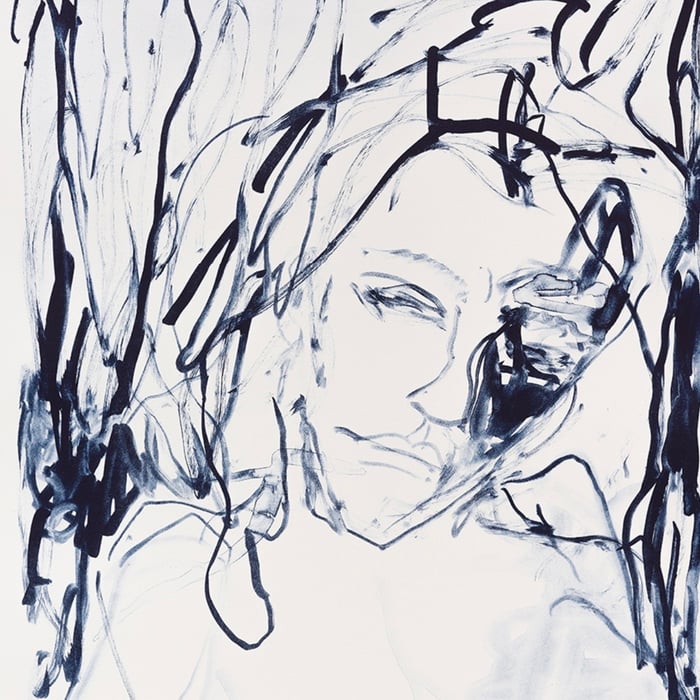

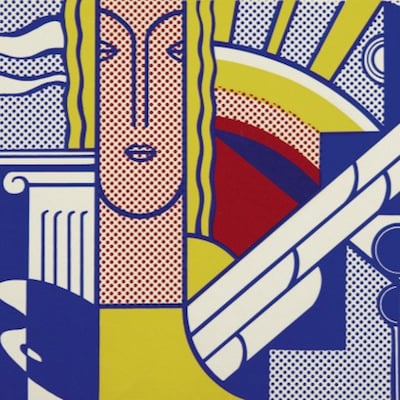
Late Modernism refers to the continuation and evolution of Modernist principles in art, architecture, and literature from the mid-20th century into the late 20th century. This movement maintains a focus on form, abstraction, and the rejection of traditional styles, but it often incorporates more complexity and ambiguity compared to early Modernism. Late Modernism explores themes such as alienation, identity, and the fragmentation of reality, reflecting the social and cultural shifts of the post-war period. It is seen in the works of architects like Louis Kahn and artists like Francis Bacon, who pushed the boundaries of Modernism while responding to the changing world around them.
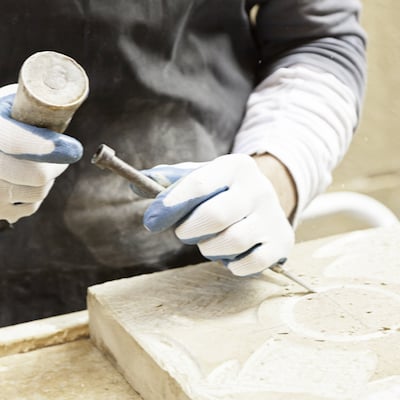
Stone is a hard, natural material found in the ground and used for various artistic purposes, such as carving statues, creating jewelry, and assembling mosaics. Artists and rock collectors often seek out interesting stones to cut, polish, and incorporate into their artwork.
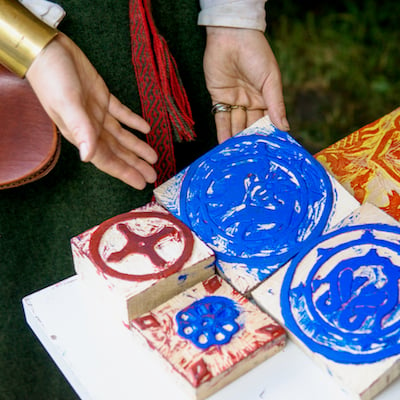
Woodcut is a printing technique where an image is carved into the surface of a woodblock using gouges, with the remaining flat surface holding the ink for printing. The areas cut away by the artist do not carry ink, while the uncut areas do, producing the desired print. The carving follows the wood's grain, unlike wood engraving, where the block is cut across the end-grain. Ink is applied to the surface with a roller, ensuring only the flat, uncarved areas receive ink, leaving the recessed, non-printing areas clean.
Can't find your Answer?
Thank you! Your question has been sent — we'll get back to you shortly.
