
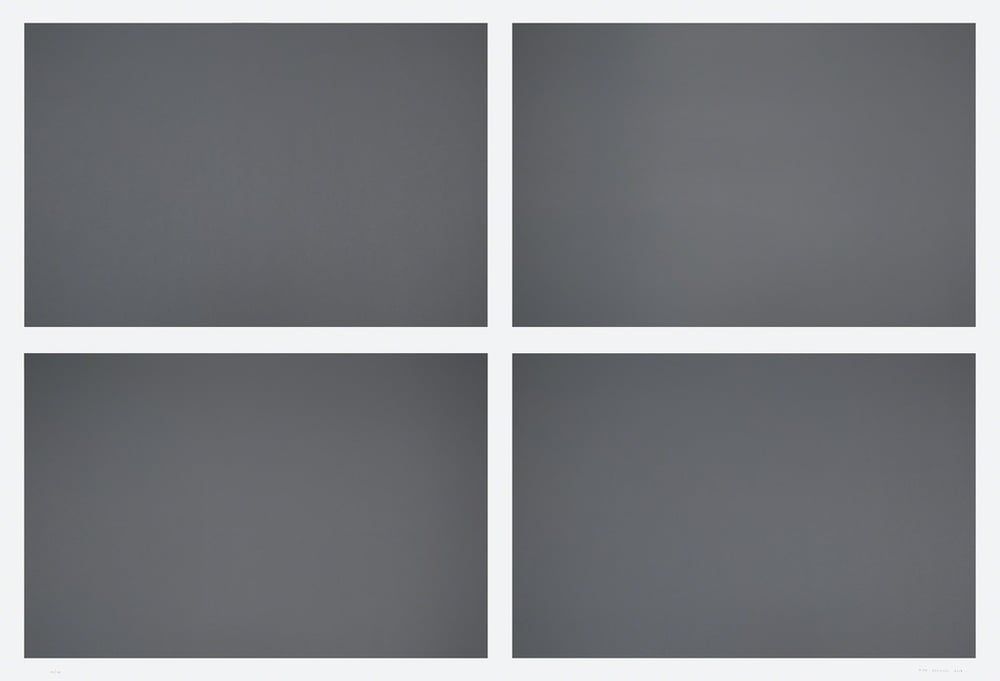
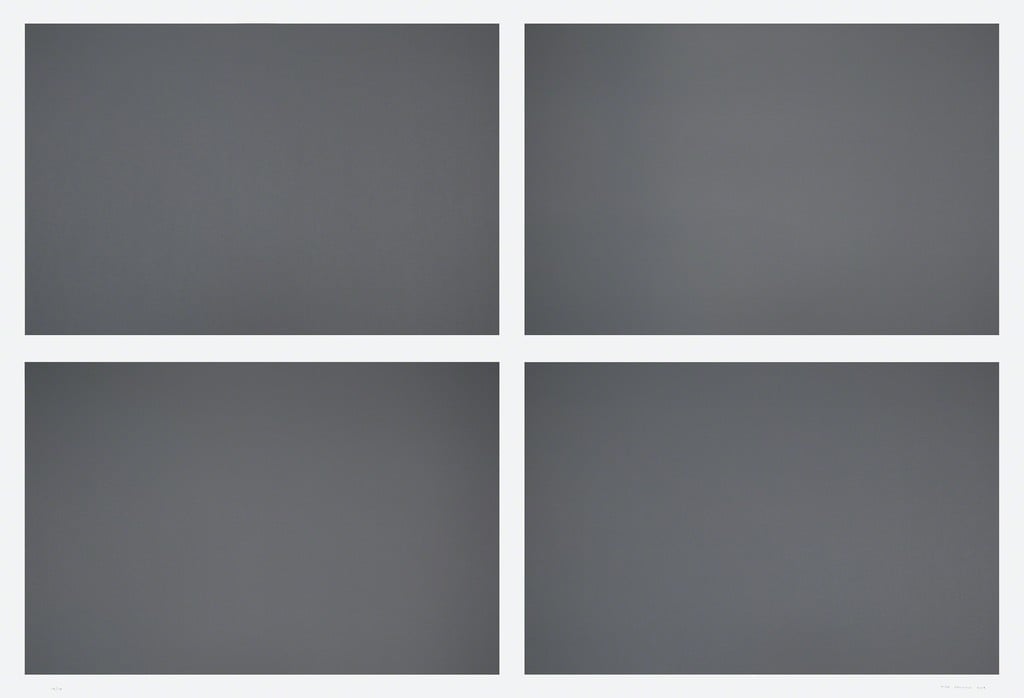
// Border by Alan Charlton, a 2019 lithograph, presents a minimalist composition divided into four equal gray rectangles arranged in a grid on a white background. Each rectangle is uniform in tone, with subtle variations that may become perceptible upon closer inspection. Charlton's work often explores themes of simplicity and neutrality, using gray as a consistent palette to evoke introspection and focus on form. The title, Border, might hint at divisions, separations, or the quiet presence of boundaries within seemingly uniform spaces. This piece invites viewers to reflect on minimalism and the quiet depth found within limited color and form.
Artwork Copyright © Alan CharltonAlan Charlton (UK, 1948) is a British conceptual artist renowned for his minimalist, monochromatic grey paintings. Since the early 1970s, he has exclusively created grey artworks, emphasizing form, texture, and spatial relationships. Charlton's consistent exploration of the color grey challenges perceptions of simplicity and depth in contemporary art.
Artwork Copyright © Alan CharltonBorder, 2019
Form
Medium
Size
- Inches
- Centimeters
Edition
Price
- USD
- EUR
- GBP
- CHF
- Authenticity Guaranteed
- Insured Shipping
- Online Since 2005
●Inventory 7767
●Signed
●Comes with gallery invoice and certificate
●Any questions?
// Border by Alan Charlton, a 2019 lithograph, presents a minimalist composition divided into four equal gray rectangles arranged in a grid on a white background. Each rectangle is uniform in tone, with subtle variations that may become perceptible upon closer inspection. Charlton's work often explores themes of simplicity and neutrality, using gray as a consistent palette to evoke introspection and focus on form. The title, Border, might hint at divisions, separations, or the quiet presence of boundaries within seemingly uniform spaces. This piece invites viewers to reflect on minimalism and the quiet depth found within limited color and form.
Artwork Copyright © Alan CharltonAlan Charlton (UK, 1948) is a British conceptual artist renowned for his minimalist, monochromatic grey paintings. Since the early 1970s, he has exclusively created grey artworks, emphasizing form, texture, and spatial relationships. Charlton's consistent exploration of the color grey challenges perceptions of simplicity and depth in contemporary art.
Artwork Copyright © Alan Charlton- Recently Added
- Price (Low-High)
- Price (High-Low)
- Year (Low-High)
- Year (High-Low)

Alan Charlton
Border, 2019
Limited Edition Print
Lithograph
EUR 10,000
Related Artists
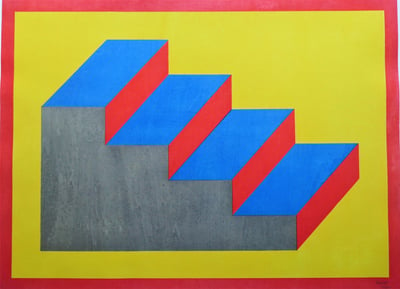

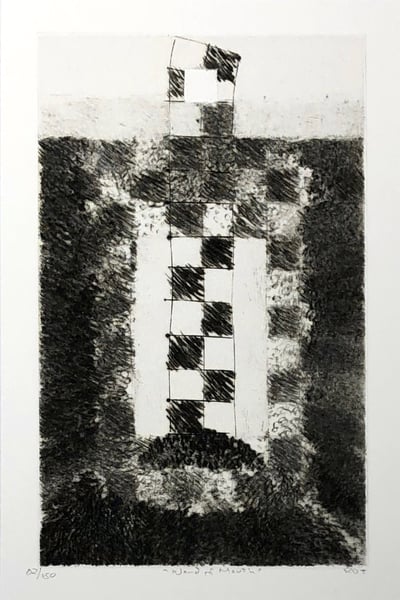


Artwork by Agnes Martin
What is minimalism?
Minimalism is a style in music and visual arts characterized by pared-down designs and simplicity. It began in Western art after World War II, gaining prominence particularly in American visual arts. Minimalism draws heavily on aspects of modernism and is often viewed as a reaction against Abstract Expressionism, as well as a precursor to post-minimal art practices. Prominent minimalist artists include Agnes Martin, Donald Judd, Robert Morris, Frank Stella, and Dan Flavin.
Alan Charlton
Border, 2019
140 x 200 cm


