

Silver and chrome plated brass sculpture - Signed, dated and numbered lower right: Arnaldo Pomodoro
This intricate relief sculpture by Arnaldo Pomodoro is crafted from silver and chrome-plated brass, showcasing the artist’s mastery in blending modern industrial materials with dynamic forms. The highly detailed composition features a dense, geometric arrangement of linear and fragmented shapes, evoking the mechanical and architectural structures of the 20th century. The interplay of light and shadow across the polished surfaces enhances its three-dimensionality, while the metallic sheen adds a futuristic quality. This work reflects Pomodoro's fascination with texture and the tension between order and chaos, central themes in his oeuvre. Limited to an edition of 2 with 2 artist proofs, this piece is signed, dated, and numbered by the artist on the lower right.
Artwork Copyright © Arnaldo PomodoroArnaldo Pomodoro (Italy, 1926) is a renowned sculptor celebrated for his monumental bronze works. Known for his spherical sculptures featuring intricate geometric patterns and ruptured surfaces, Pomodoro explores the tension between perfection and decay. His iconic pieces are displayed in prominent public spaces worldwide, defining modern sculpture.
Artwork Copyright © Arnaldo PomodoroBassorilievo (Bozzetto), 1968
Form
Medium
Size
- Inches
- Centimeters
Edition
Price
Available works →
- Authenticity Guaranteed
- Insured Shipping
- Online Since 2005
●
●Inventory 15433
●On the base
●Comes with gallery invoice and certificate
●Sell Us a Similar Artwork. Learn more.
Silver and chrome plated brass sculpture - Signed, dated and numbered lower right: Arnaldo Pomodoro
This intricate relief sculpture by Arnaldo Pomodoro is crafted from silver and chrome-plated brass, showcasing the artist’s mastery in blending modern industrial materials with dynamic forms. The highly detailed composition features a dense, geometric arrangement of linear and fragmented shapes, evoking the mechanical and architectural structures of the 20th century. The interplay of light and shadow across the polished surfaces enhances its three-dimensionality, while the metallic sheen adds a futuristic quality. This work reflects Pomodoro's fascination with texture and the tension between order and chaos, central themes in his oeuvre. Limited to an edition of 2 with 2 artist proofs, this piece is signed, dated, and numbered by the artist on the lower right.
Artwork Copyright © Arnaldo PomodoroArnaldo Pomodoro (Italy, 1926) is a renowned sculptor celebrated for his monumental bronze works. Known for his spherical sculptures featuring intricate geometric patterns and ruptured surfaces, Pomodoro explores the tension between perfection and decay. His iconic pieces are displayed in prominent public spaces worldwide, defining modern sculpture.
Artwork Copyright © Arnaldo Pomodoro- Recently Added
- Price (Low-High)
- Price (High-Low)
- Year (Low-High)
- Year (High-Low)

Arnaldo Pomodoro
Untitled (Dual Circles), 1967
Limited Edition Print
Lithograph
EUR 1,875

Arnaldo Pomodoro
Torre a spirale, studio 1, 1985
Sculpture / Object
Bronze
Currently Not Available
Available works by Arnaldo Pomodoro
See all →Arnaldo Pomodoro
Untitled (Dual Circles), 1967
Limited Edition Print
Lithograph
EUR 1,875
Related Artists
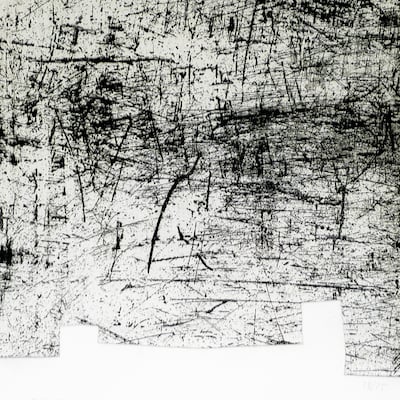
Artwork by Eduardo Chillida
What is abstract art?
Abstract art uses form, shape, line, and color to create a visual experience without attempting to represent external reality. The composition exists independently of the world's visual references, focusing on expressing ideas and emotions through non-representational means.


