

Italy
The contemporary art scene in Italy is a testament to the nation's deep-rooted artistic tradition, vibrantly interacting with innovative expressions and global movements. Esteemed institutions, including Rome's MAXXI and Venice's Palazzo Grassi, not only present internationally acclaimed artists but also foster emerging talent. Pioneers like Maurizio Cattelan, recognized for his satirical sculptures, and Vanessa Beecroft, known for her immersive performance art, enrich the country's artistic panorama. Italy continues to be a beacon for contemporary art, with its art fairs such as Artissima in Turin, offering a global platform for artistic dialogue. Explore the richness of Italy's contemporary art on the Composition Gallery's website.
- Show All
- Established
- Discoveries
- Show All
Artworks Related to Italy
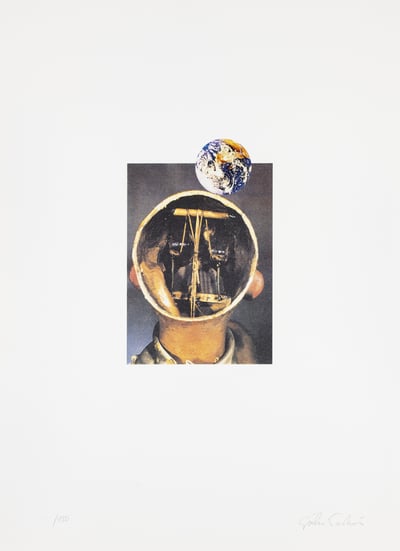
Giulio Paolini
Il sole nero, 1993
Limited Edition Print
Mixed Media
EUR 1,600
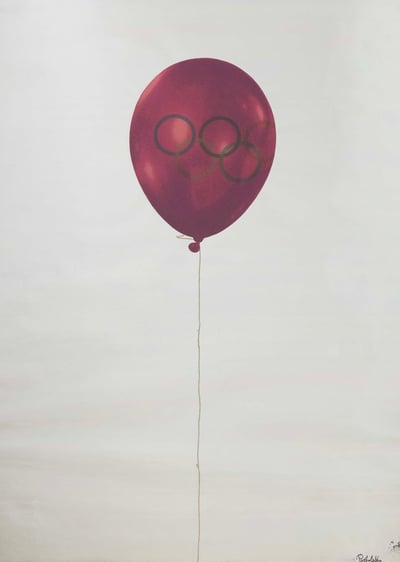
Michelangelo Pistoletto
Balloon, 1983
Limited Edition Print
Silkscreen
Inquire For Price
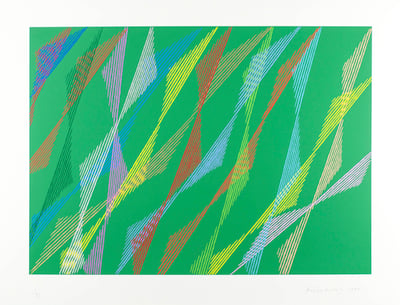
Piero Dorazio
La Ribambelle Des Gobelins II, 1992
Limited Edition Print
Silkscreen
EUR 1,750
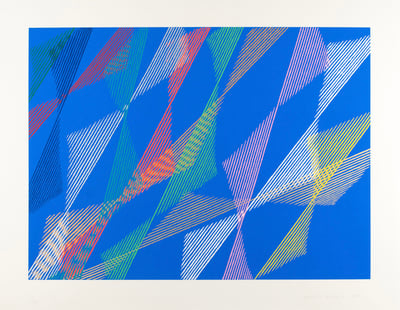
Piero Dorazio
La Ribambelle Des Gobelins I, 1992
Limited Edition Print
Silkscreen
EUR 1,750
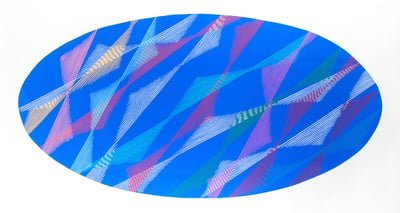
Piero Dorazio
Ellisse blu, 1989
Limited Edition Print
Silkscreen
EUR 2,400
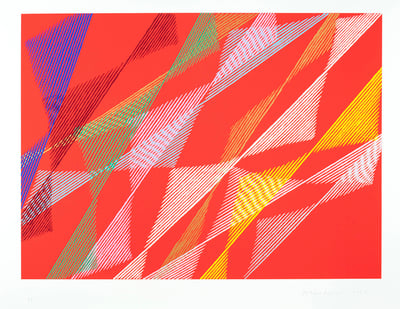
Piero Dorazio
La Ribambelle Des Gobelins IV, 1992
Limited Edition Print
Silkscreen
EUR 1,750
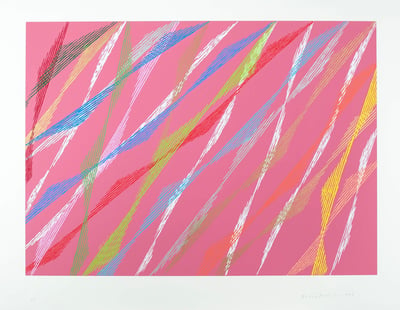
Piero Dorazio
La Ribambelle Des Gobelins V, 1992
Limited Edition Print
Silkscreen
EUR 1,750
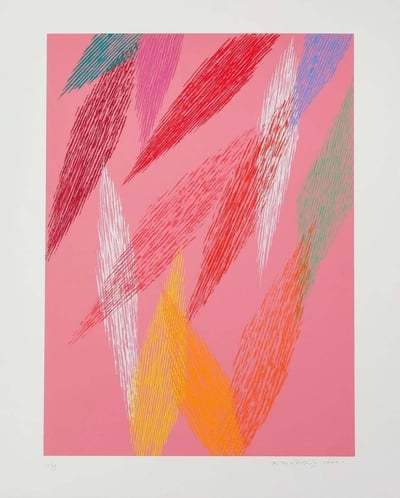
Piero Dorazio
Pink Abstract, 1992
Limited Edition Print
Silkscreen
EUR 1,750
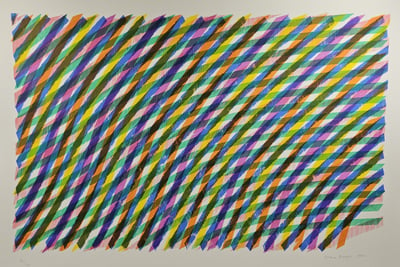
Piero Dorazio
Reticolo. Composizione No 2, 1984
Limited Edition Print
Lithograph
USD 2,000

Lucio Fontana
Untitled from The International Avant-Garde (volume I), 1962
Limited Edition Print
Mixed Media
USD 8,150

Lucio Fontana
Nudo rosa, 1967
Limited Edition Print
Mixed Media
USD 10,500

Mimmo Paladino
Senza titolo, 1999
Drawing / Watercolor
Collage
EUR 12,000

Marina Apollonio
Dinamica Circolare Ellisse Prospettico, 1969-2025
Sculpture / Object
Wood
EUR 1,500

Marina Apollonio
Dinamica Circolare 6S, 1966-2025
Sculpture / Object
Wood
EUR 3,000
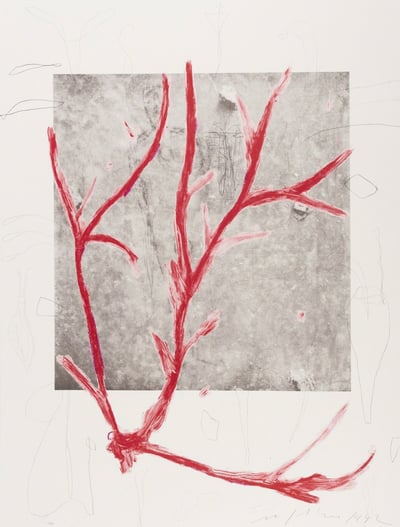
Mimmo Paladino
Untitled (Columbus: In Search of a New Tomorrow), 1992
Limited Edition Print
Screen-print
USD 800

Sandro Chia
Untitled (Columbus: In Search of a New Tomorrow), 1992
Limited Edition Print
Screen-print
Inquire For Price
Related Articles



Figuration Libre is an art movement that is equivalent to the French Bad Painting and Neo-Expressionism in Europe and America. The term was coined by Ben Vautier and the Fluxus movement. In 1981, Robert Combas, François Boisrond, Hervé Di Rosa, and Rémi Blanchard formed the Figuration Libre group. The term can be interpreted as free style art, emphasizing spontaneity, freedom, and a rejection of traditional artistic conventions.

A replica is a copy of an artwork that is so precisely made that it is nearly indistinguishable from the original. Artists may create replicas of their own work, or replicas can be produced for educational purposes, preservation, or display when the original cannot be shown. While replicas aim to closely mimic the original, they are usually identified as reproductions rather than original works.

An object in art refers to any tangible thing that exists and can be depicted in a work of art. Sometimes, the object becomes the focal point of a painting, drawing, or sculpture, meaning it is the most important element in the composition. An object can be anything that can be seen or touched, and it is often used to convey meaning or emphasize certain aspects of the artwork.
Can't find your Answer?
Thank you! Your question has been sent — we'll get back to you shortly.
