

Italy
The contemporary art scene in Italy is a testament to the nation's deep-rooted artistic tradition, vibrantly interacting with innovative expressions and global movements. Esteemed institutions, including Rome's MAXXI and Venice's Palazzo Grassi, not only present internationally acclaimed artists but also foster emerging talent. Pioneers like Maurizio Cattelan, recognized for his satirical sculptures, and Vanessa Beecroft, known for her immersive performance art, enrich the country's artistic panorama. Italy continues to be a beacon for contemporary art, with its art fairs such as Artissima in Turin, offering a global platform for artistic dialogue. Explore the richness of Italy's contemporary art on the Composition Gallery's website.
- Show All
- Established
- Discoveries
- Show All
Artworks Related to Italy

Massimo Vitali
Mondello Paddle Boats, 2007
Photography
C-Print
EUR 20,000
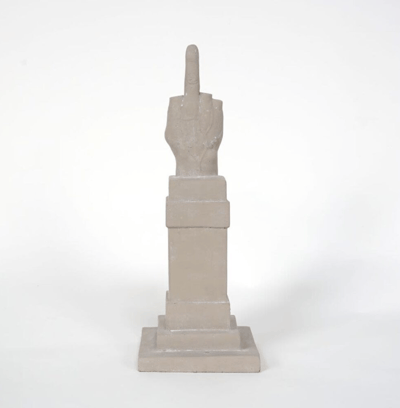
Maurizio Cattelan
L.O.V.E., 2015
Sculpture / Object
Mixed Media
GBP 3,500

Marcello Morandini
Sculptura 762, 2024
Sculpture / Object
Wood
EUR 1,200

Marcello Morandini
Sculptura 763, 2024
Sculpture / Object
Wood
EUR 1,200
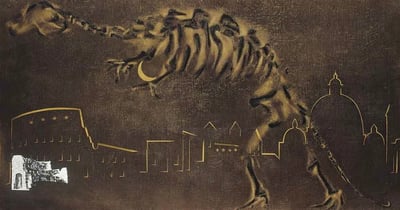
Enzo Cucchi
Roma, 1991
Limited Edition Print
Mixed Media
EUR 8,000

Sandro Chia
Senza titolo (Tavolo), 2001
Sculpture / Object
Mixed Media
Inquire For Price

Enzo Cucchi
L'elefante di Giotto, 1986
Limited Edition Print
Mixed Media
EUR 11,000

Enzo Cucchi
Sparire I, 1988
Limited Edition Print
Mixed Media
EUR 5,500

Enzo Cucchi
Sparire II, 1988
Limited Edition Print
Mixed Media
EUR 5,500

Enzo Cucchi
Uomini, 1989
Limited Edition Print
Etching and Aquatint
EUR 7,500
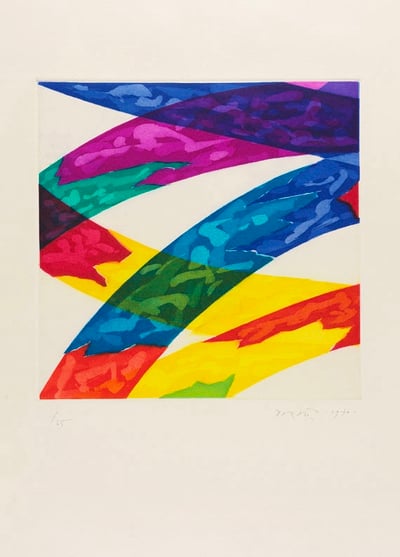
Piero Dorazio
Untitled (Chromatic Ribbons), 1971
Limited Edition Print
Etching
EUR 990
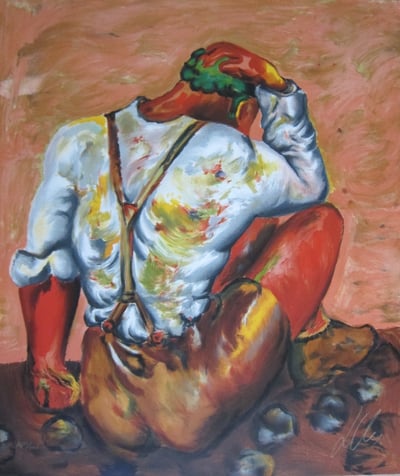
Sandro Chia
Lonely Explore, 1991
Limited Edition Print
Lithograph
EUR 1,900

Arnaldo Pomodoro
Torre a spirale, studio 1, 1985
Sculpture / Object
Bronze
Currently Not Available
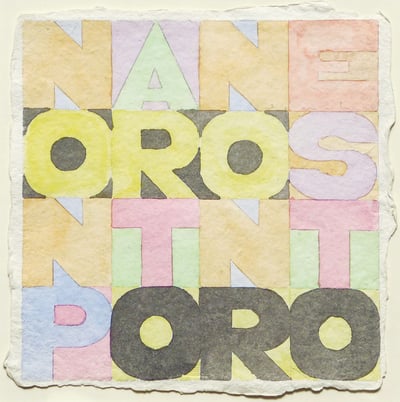
Alighiero Boetti
Non parto non resto (Nove quadrati), 1979
Drawing / Watercolor
Watercolor
Inquire For Price

Francesco Clemente
Reconciliazione, 1986
Limited Edition Print
Mixed Media
Currently Not Available

Piero Dorazio
Vortice, 1989
Sculpture / Object
Mosaic
EUR 2,000
Related Articles


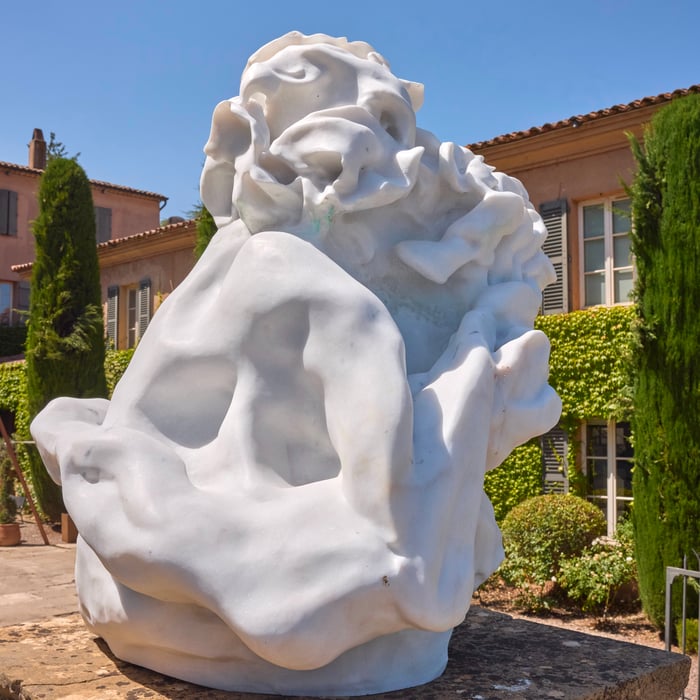

Recto and verso are terms used to describe the right and left pages of an open book, or the front and back of a sheet of paper. In both cases, recto refers to the right-hand page or the front of the paper, while verso refers to the left-hand page or the back of the paper. These terms are commonly used in bookbinding, printmaking, and art to distinguish between the two sides of a sheet.
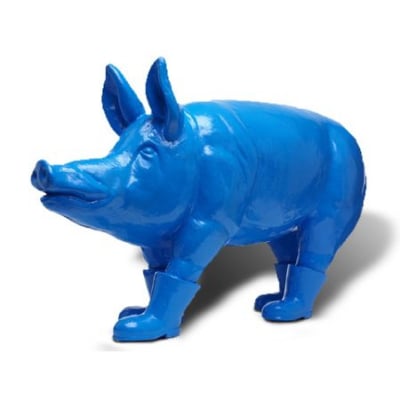
Environmental art is a collective term that refers to a wide range of artistic practices and works that engage with historical and ecological themes. The term often encompasses ecological concerns, although it is not exclusively defined by them. Environmental art acknowledges and appreciates the early history of the environmental art movement, including works with activist themes and those celebrating the connection between nature and the artist through the use of natural materials.

Situationism is a psychological theory that gained prominence in 1968, following the publication of a monograph by Walter Mischel that sparked the Person-situation debate. This theory argues that behavior is primarily influenced by external situational factors rather than internal traits or motivations, challenging the ideas of trait theorists like Raymond B. Cattell and Hans Eysenck, who emphasized stable personality traits. It is important not to confuse this with the Situationist International movement, an artistic and political movement founded by Asger Jorn, which focused on the critique of modern consumer society and the influence of environments on human behavior.
Can't find your Answer?
Thank you! Your question has been sent — we'll get back to you shortly.
