

What is Situationism?
Situationism is a psychological theory that gained prominence in 1968, following the publication of a monograph by Walter Mischel that sparked the Person-situation debate. This theory argues that behavior is primarily influenced by external situational factors rather than internal traits or motivations, challenging the ideas of trait theorists like Raymond B. Cattell and Hans Eysenck, who emphasized stable personality traits. It is important not to confuse this with the Situationist International movement, an artistic and political movement founded by Asger Jorn, which focused on the critique of modern consumer society and the influence of environments on human behavior.
Show All
- Show All
- Established
- Discoveries
Show All
- Show All
Artworks Related to Situationism

Asger Jorn
Sans titre, 1967
Limited Edition Print
Lithograph
EUR 2,550
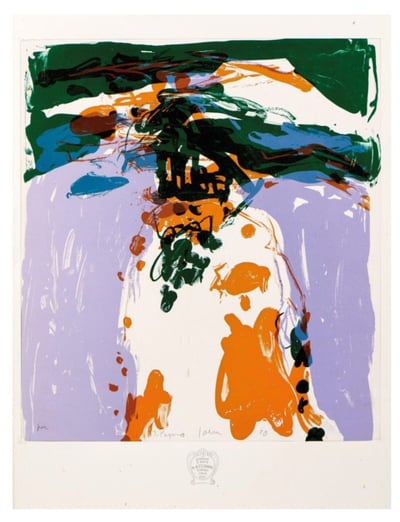
Asger Jorn
Lithographie couleur, 1970
Limited Edition Print
Lithograph
EUR 1,200

Maurice Wyckaert
Sans titre, 1976
Drawing / Watercolor
Gouache
EUR 4,750
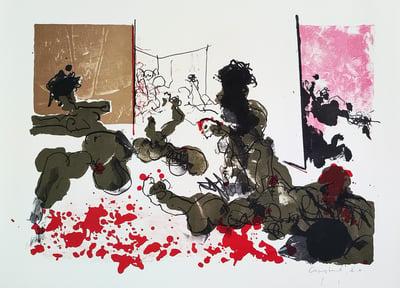
Constant Nieuwenhuys
Le Massacre, 1972
Limited Edition Print
Lithograph
EUR 595

Vito Acconci
Land of Water, 1999
Limited Edition Print
Lithograph
Currently Not Available

Maurice Wyckaert
Untitled (unique)
Drawing / Watercolor
Mixed Media
EUR 1,875

Constant Nieuwenhuys
L'ultima cena, 1980
Limited Edition Print
Etching and Aquatint
EUR 2,990

Maurice Wyckaert
Compositie
Limited Edition Print
Lithograph
Currently Not Available

Asger Jorn
Dans le Sillage d’if-Aube, 1971
Limited Edition Print
Woodcut
Currently Not Available

Asger Jorn
L’oubli, 1960/61
Limited Edition Print
Lithograph
USD 3,000
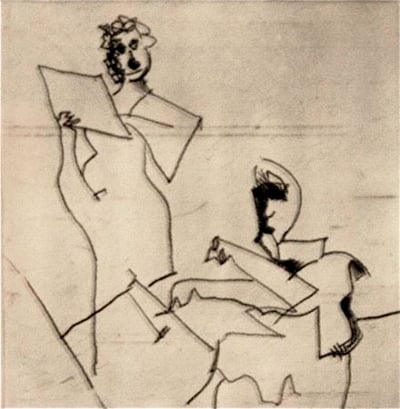
Constant Nieuwenhuys
Composition, 1982
Limited Edition Print
Etching
Currently Not Available
Related Articles
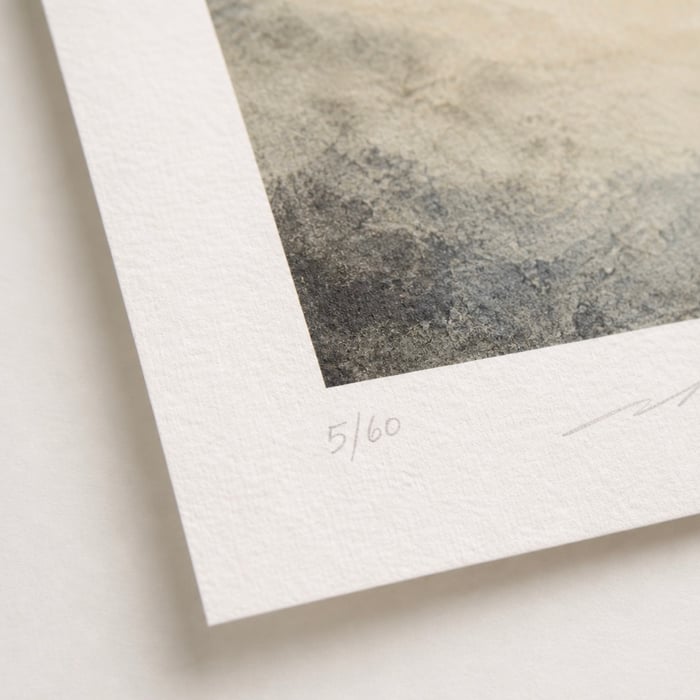
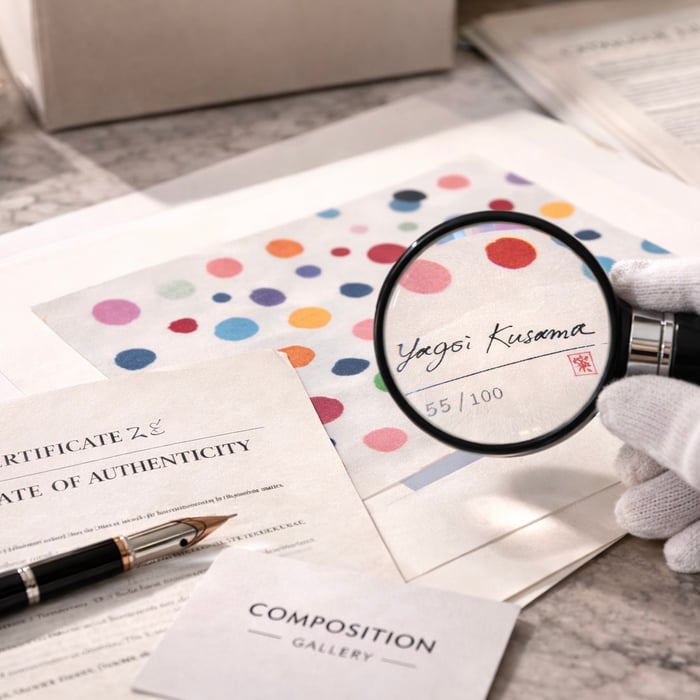
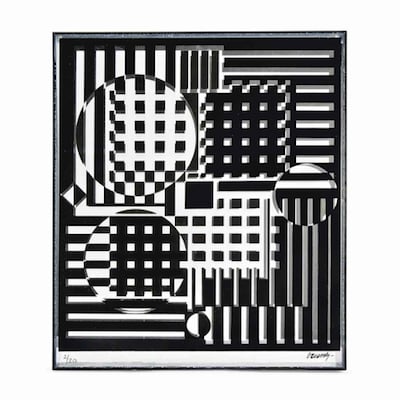
Op Art is a visual art style that uses optical illusions to create the impression of movement, vibrating patterns, flashing, or hidden images. The works are typically abstract, with many well-known pieces in black and white. The roots of Op Art can be traced back to earlier movements like Futurism, Constructivism, Dada, and Neo-Impressionism, particularly in their use of color effects and graphic design.
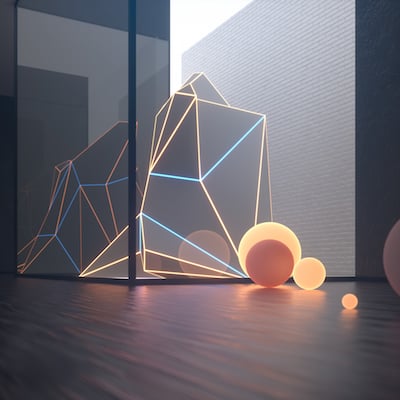
Installation art is a three-dimensional artistic genre that involves site-specific works designed to alter the viewer's perception of space. These works are typically created for interior spaces, such as museums and galleries, but can also be found in private and public locations. Installation art can be temporary or permanent, depending on its purpose and setting.

Collage is a production art technique commonly used in visual arts where a new artwork is created by assembling various materials. These materials can include ribbons, newspaper and magazine clippings, pieces of handmade or colored paper, photographs, text fragments, and other objects, all combined to form a cohesive whole.
Can't find your Answer?
Thank you! Your question has been sent — we'll get back to you shortly.
