


// Abidjan by Bernard Aubertin is a mixed media painting that immerses the viewer in a monochromatic red palette, characteristic of Aubertin's exploration of color and texture. The surface is densely layered with a grid-like pattern of small, repetitive indentations and raised textures, creating a tactile, almost topographical effect. The uniform red tones amplify the sense of depth and intricacy, inviting close inspection to appreciate the subtle variations within the seemingly uniform color field. Aubertin, associated with the Zero movement, frequently used red as a symbol of energy and intensity, seeking to engage viewers through the physical presence and surface dynamics of his works. Abidjan exemplifies his interest in texture and the transformative potential of a single color.
Artwork Copyright © Bernard AubertinBernard Aubertin (France, 1934–2015) was a key figure in the Zero movement, renowned for his monochromatic red paintings and burnt wood works. His art explored themes of repetition, destruction, and renewal, using fire and uniformity as central elements. Aubertin’s innovative approach challenged traditional painting, leaving a lasting impact on contemporary conceptual art.
Artwork Copyright © Bernard AubertinAbidjan
Form
Medium
Size
- Inches
- Centimeters
Edition
Price
- USD
- EUR
- GBP
- CHF
- Authenticity Guaranteed
- Insured Shipping
- Online Since 2005
●Inventory 5612
●Signed
●Comes with gallery invoice and certificate
●Any questions?
// Abidjan by Bernard Aubertin is a mixed media painting that immerses the viewer in a monochromatic red palette, characteristic of Aubertin's exploration of color and texture. The surface is densely layered with a grid-like pattern of small, repetitive indentations and raised textures, creating a tactile, almost topographical effect. The uniform red tones amplify the sense of depth and intricacy, inviting close inspection to appreciate the subtle variations within the seemingly uniform color field. Aubertin, associated with the Zero movement, frequently used red as a symbol of energy and intensity, seeking to engage viewers through the physical presence and surface dynamics of his works. Abidjan exemplifies his interest in texture and the transformative potential of a single color.
Artwork Copyright © Bernard AubertinBernard Aubertin (France, 1934–2015) was a key figure in the Zero movement, renowned for his monochromatic red paintings and burnt wood works. His art explored themes of repetition, destruction, and renewal, using fire and uniformity as central elements. Aubertin’s innovative approach challenged traditional painting, leaving a lasting impact on contemporary conceptual art.
Artwork Copyright © Bernard Aubertin- Recently Added
- Price (Low-High)
- Price (High-Low)
- Year (Low-High)
- Year (High-Low)
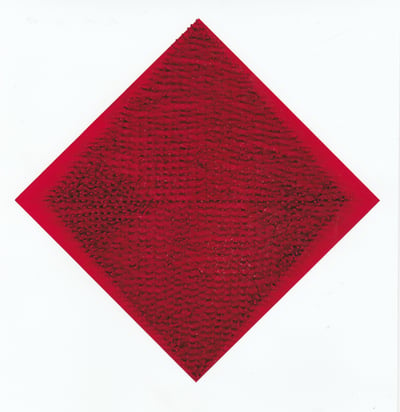
Bernard Aubertin
Clou - with pattern , 1966
Painting
Mixed Media
EUR 20,000 - 30,000
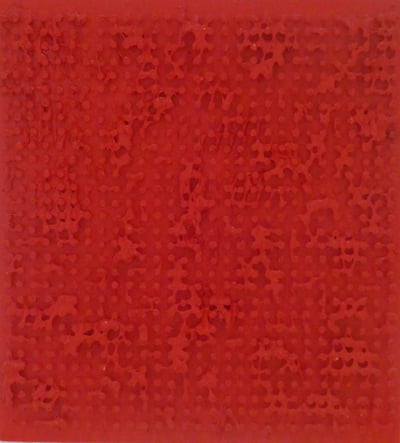
Bernard Aubertin
Abidjan
Painting
Mixed Media
EUR 5,400
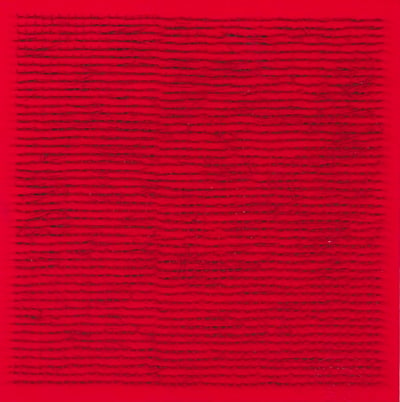
Bernard Aubertin
Clou (rouge), 1968
Painting
Mixed Media
EUR 20,000 - 30,000
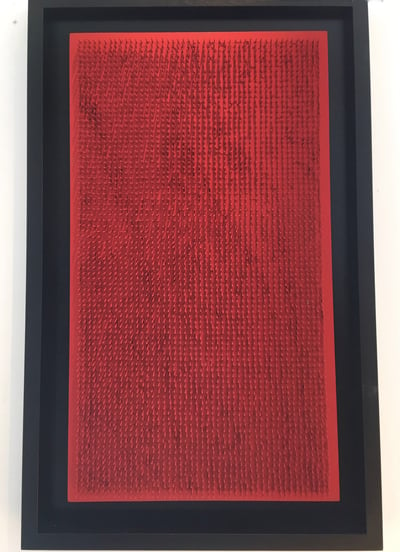
Bernard Aubertin
Clou, 1969
Painting
Mixed Media
EUR 20,000 - 30,000
Related Artists
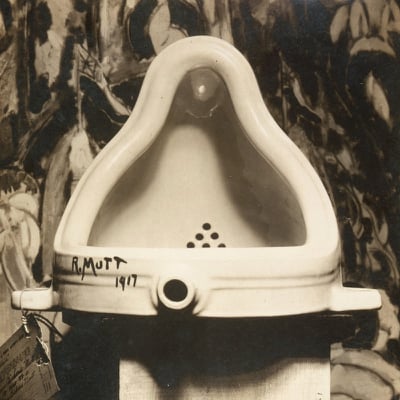
Artwork by Marcel Duchamp
What is Found Object?
A found object is a term used to describe a man-made or natural object, or a fragment of one, that an artist discovers or purchases and keeps for inspiration or as a work of art. The artist may also modify the object or incorporate it into a collage or assemblage, transforming it into a new piece of art.


Bernard Aubertin
Abidjan
32 x 29 x 3 cm


