

// Déchirure by Bram Van Velde, a 1977 lithograph, embodies the artist's exploration of abstract expressionism through bold, dynamic brushstrokes in black and shades of gray. The composition is dominated by sweeping, irregular shapes that intersect and overlap, creating a sense of tension and raw emotion. The title, which translates to Tear or Rift, suggests a theme of fragmentation or rupture, echoed in the forceful, almost violent strokes. Van Velde’s work often reflects existential themes, and this piece conveys a visceral depth, inviting viewers to feel the struggle and intensity of human experience through abstract form.
Artwork Copyright © Bram Van VeldeBram van Velde (Netherlands, 1895–1981) was a key figure in abstract expressionism, known for his bold color contrasts and emotionally charged compositions. Influenced by existentialism, his works explore themes of isolation and introspection. Van Velde’s unique style left a significant impact on post-war European art.
Artwork Copyright © Bram Van VeldeDéchirure, 1977
Form
Medium
Size
- Inches
- Centimeters
Edition
Price
- USD
- EUR
- GBP
- CHF
- Authenticity Guaranteed
- Insured Shipping
- Online Since 2005
●Inventory 7785
●Hand Signed
●Comes with gallery invoice and certificate
●Sell Us a Similar Artwork. Learn more.
// Déchirure by Bram Van Velde, a 1977 lithograph, embodies the artist's exploration of abstract expressionism through bold, dynamic brushstrokes in black and shades of gray. The composition is dominated by sweeping, irregular shapes that intersect and overlap, creating a sense of tension and raw emotion. The title, which translates to Tear or Rift, suggests a theme of fragmentation or rupture, echoed in the forceful, almost violent strokes. Van Velde’s work often reflects existential themes, and this piece conveys a visceral depth, inviting viewers to feel the struggle and intensity of human experience through abstract form.
Artwork Copyright © Bram Van VeldeBram van Velde (Netherlands, 1895–1981) was a key figure in abstract expressionism, known for his bold color contrasts and emotionally charged compositions. Influenced by existentialism, his works explore themes of isolation and introspection. Van Velde’s unique style left a significant impact on post-war European art.
Artwork Copyright © Bram Van Velde- Recently Added
- Price (Low-High)
- Price (High-Low)
- Year (Low-High)
- Year (High-Low)
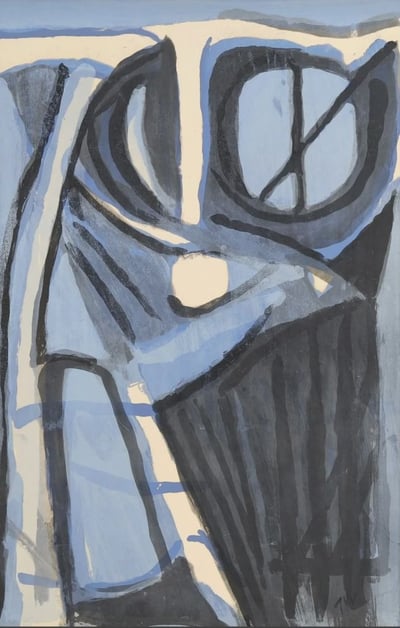
Bram Van Velde
MP 166, 1975
Limited Edition Print
Lithograph
EUR 2,350
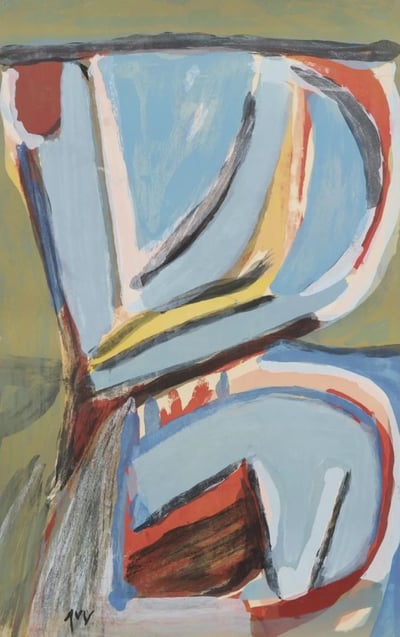
Bram Van Velde
MP 167, 1975
Limited Edition Print
Lithograph
EUR 2,350

Bram Van Velde
Déchirure, 1977
Limited Edition Print
Lithograph
EUR 1,875
Related Artists

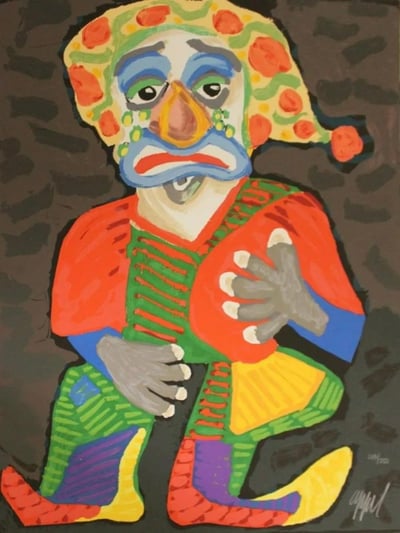
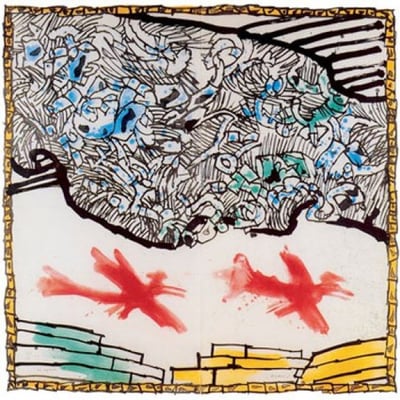
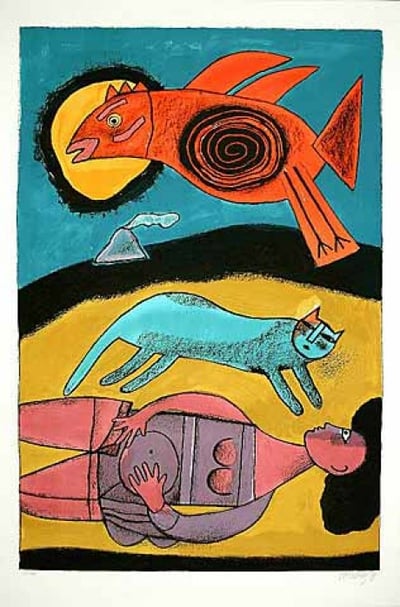

Artwork by Francois Morellet
What is geometric abstract art?
Geometric abstraction is a form of abstract art that uses geometric shapes arranged in a non-illusionistic space (though not always) and combined into non-representational (non-objective) compositions. Based on years of artistic research, some artists have proposed that geometric abstraction offers a solution to modern challenges by rejecting traditional illusionistic practices in favor of clarity and simplicity.

Bram Van Velde
Déchirure, 1977
73 x 54 cm


