

Metal frame, Windows and Thread
Initialed lower right CS.
Series: State of Being.
Chiharu Shiota’s State of Being (Windows) (2021) is a mesmerizing sculptural installation that embodies her signature exploration of memory, absence, and interconnectedness. Encased within a delicate yet intricate web of red thread, fragmented window frames appear suspended in time, evoking a ghostly presence of spaces once inhabited. The vibrant red threads create an ethereal enclosure, symbolizing both entrapment and connection, while the windows suggest portals to the past, lost narratives, or unseen possibilities. Shiota’s work often engages with themes of personal and collective history, using thread as a metaphor for human relationships and the invisible ties that bind us to places and experiences.
This unique piece, part of her State of Being series, continues her investigation into the fragility of existence and the traces we leave behind, transforming ordinary objects into evocative meditations on time and memory.
Artwork Copyright © Chiharu ShiotaChiharu Shiota (Japan, 1972) creates immersive installations using threads, often red or black, to weave haunting environments that explore memory, absence, and human connection. Trained in performance and visual art, she blends sculpture and conceptual art. Her large-scale thread works have been exhibited globally, including at the Venice Biennale.
Artwork Copyright © Chiharu ShiotaState of Being (windows), 2021
Form
Medium
Size
- Inches
- Centimeters
Edition
Price
- Authenticity Guaranteed
- Insured Shipping
- Online Since 2005
●Inventory 15586
●Initialed lower right
●Comes with gallery invoice and certificate
●Sell Us a Similar Artwork. Learn more.
Metal frame, Windows and Thread
Initialed lower right CS.
Series: State of Being.
Chiharu Shiota’s State of Being (Windows) (2021) is a mesmerizing sculptural installation that embodies her signature exploration of memory, absence, and interconnectedness. Encased within a delicate yet intricate web of red thread, fragmented window frames appear suspended in time, evoking a ghostly presence of spaces once inhabited. The vibrant red threads create an ethereal enclosure, symbolizing both entrapment and connection, while the windows suggest portals to the past, lost narratives, or unseen possibilities. Shiota’s work often engages with themes of personal and collective history, using thread as a metaphor for human relationships and the invisible ties that bind us to places and experiences.
This unique piece, part of her State of Being series, continues her investigation into the fragility of existence and the traces we leave behind, transforming ordinary objects into evocative meditations on time and memory.
Artwork Copyright © Chiharu ShiotaChiharu Shiota (Japan, 1972) creates immersive installations using threads, often red or black, to weave haunting environments that explore memory, absence, and human connection. Trained in performance and visual art, she blends sculpture and conceptual art. Her large-scale thread works have been exhibited globally, including at the Venice Biennale.
Artwork Copyright © Chiharu Shiota- Recently Added
- Price (Low-High)
- Price (High-Low)
- Year (Low-High)
- Year (High-Low)
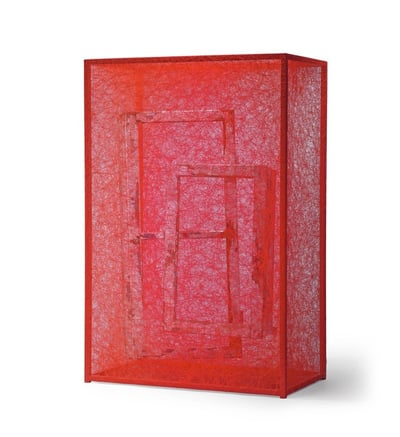
Chiharu Shiota
State of Being (windows), 2021
Sculpture / Object
Mixed Media
Inquire For Price
Related Artists
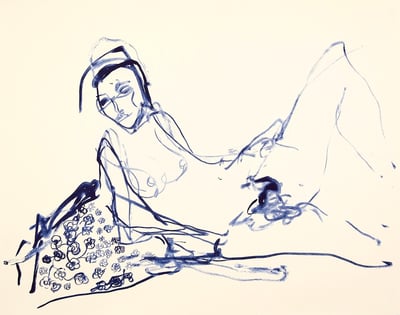
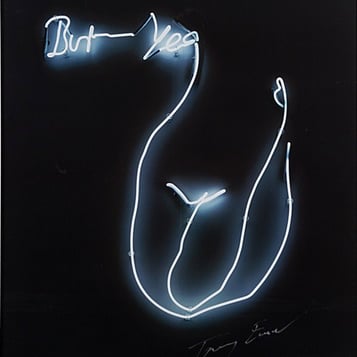
Artwork by Tracey Emin
What is feminist art?
Feminist art refers to the art that emerged from the feminist art movement during the 1960s and 1970s. It developed with the intention of critiquing 20th-century gender ideals and challenging the traditional canon of art history. Feminist art seeks to create a dialogue between the artwork and the viewer through a feminist lens, often addressing issues of gender, identity, and social justic



