

Bye-Bye Polaroid 1, 2008
Form
Medium
Size
- Inches
- Centimeters
Edition
Price
- Authenticity Guaranteed
- Insured Shipping
- Online Since 2005

Daido Moriyama
Bye-Bye Polaroid 17, 2008
Photography
Polaroid
USD 995
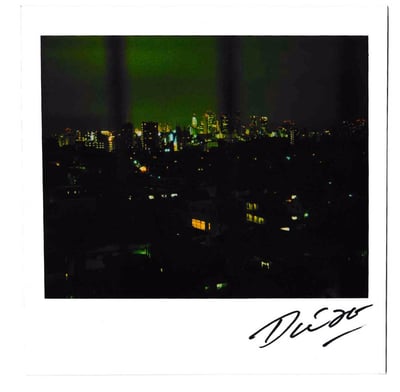
Daido Moriyama
Bye-Bye Polaroid 16, 2008
Photography
Polaroid
USD 995

Daido Moriyama
Bye-Bye Polaroid 15, 2008
Photography
Polaroid
USD 995
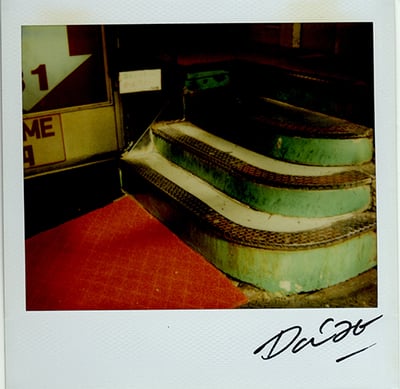
Daido Moriyama
Bye-Bye Polaroid 14, 2008
Photography
Polaroid
USD 995

Daido Moriyama
Bye-Bye Polaroid 13, 2008
Photography
Polaroid
USD 995

Daido Moriyama
Bye-Bye Polaroid 12, 2008
Photography
Polaroid
USD 995
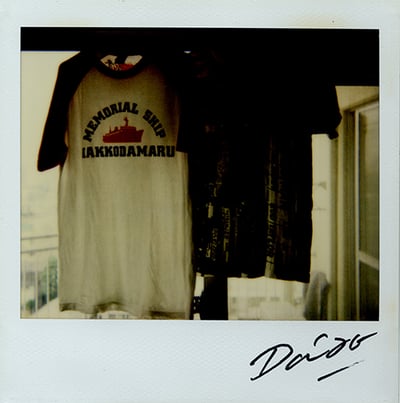
Daido Moriyama
Bye-Bye Polaroid 11, 2008
Photography
Polaroid
USD 995
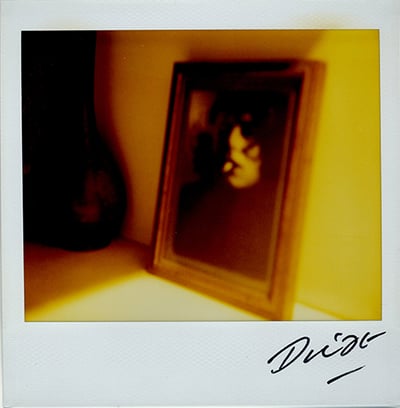
Daido Moriyama
Bye-Bye Polaroid 10, 2008
Photography
Polaroid
USD 995
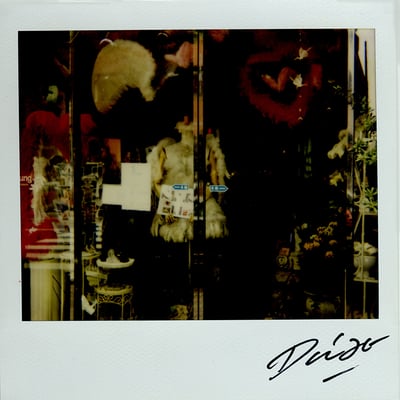
Daido Moriyama
Bye-Bye Polaroid 9, 2008
Photography
Polaroid
USD 995
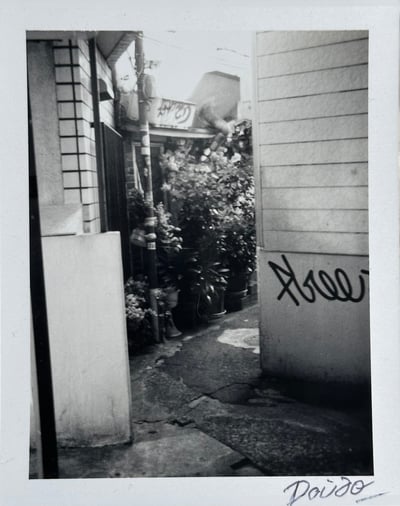
Daido Moriyama
Passage 4, 1998-1999
Photography
Polaroid
USD 995
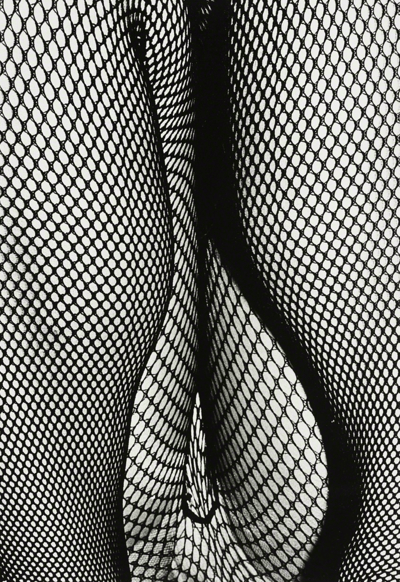
Daido Moriyama
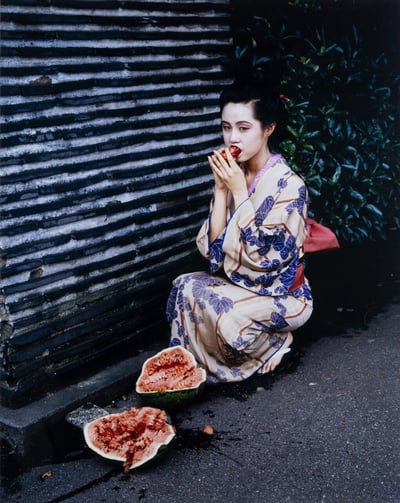
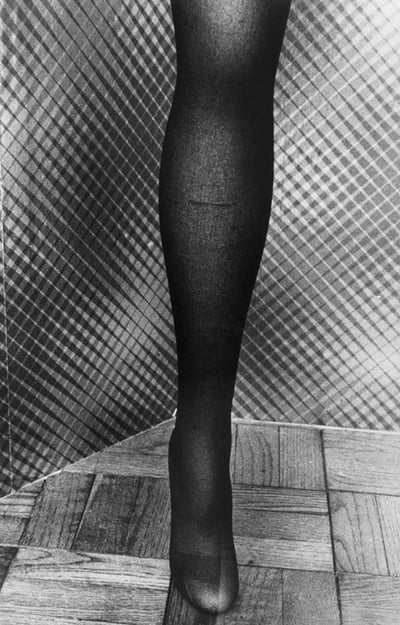
How to Create a Beautiful Picture 6: Tights in Shimotakaido, 1987/2011
Photography
Gelatin Silver Print
EUR 1,150
Available works by Daido Moriyama
See all →Daido Moriyama
Bye-Bye Polaroid 17, 2008
Photography
Polaroid
USD 995
Daido Moriyama
Bye-Bye Polaroid 16, 2008
Photography
Polaroid
USD 995
Daido Moriyama
Bye-Bye Polaroid 15, 2008
Photography
Polaroid
USD 995
Daido Moriyama
Bye-Bye Polaroid 14, 2008
Photography
Polaroid
USD 995
Daido Moriyama
Bye-Bye Polaroid 13, 2008
Photography
Polaroid
USD 995
Daido Moriyama
Bye-Bye Polaroid 12, 2008
Photography
Polaroid
USD 995
Related Artists



What is contemporary art?
Contemporary art refers to avant-garde or innovative art created in the recent past or present day. The exact starting point of contemporary art varies depending on the institution, often tied to the founding year of museums or galleries that showcase the style. Contemporary art is characterized by its focus on current ideas, diverse media, and the exploration of new concepts and techniques.


