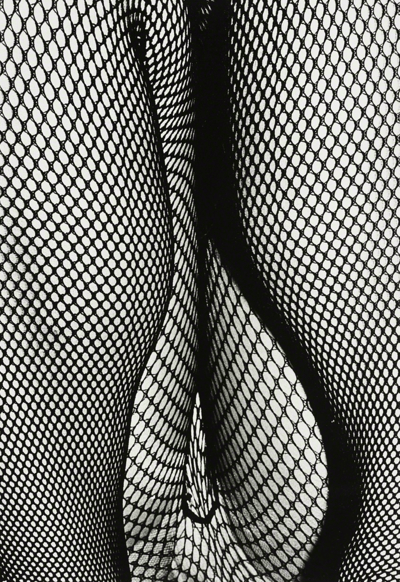
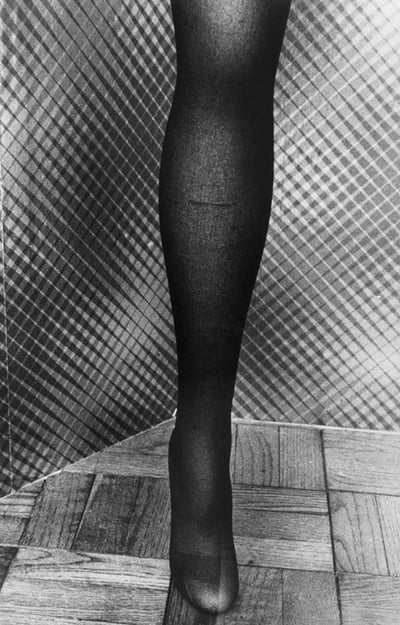
How to Create a Beautiful Picture 6: Tights in Shimotakaido by Daido Moriyama, originally shot in 1987 and printed in 2011, is a gelatin silver print that exemplifies Moriyama’s raw, high-contrast photographic style. This close-up image of legs clad in fishnet tights captures the rhythmic interplay of light and shadow, texture and form. The abstraction created by the pattern transforms the human body into a graphic composition, evoking both sensuality and anonymity. Moriyama’s street photography often explores the tension between eroticism and urban alienation, and this work is a bold example of that inquiry.
Daido Moriyama (Japan, 1938) is a trailblazing Japanese photographer known for his gritty, high-contrast black-and-white street photography. Influenced by post-war realism and the Provoke movement, his work captures the raw energy of urban life. Moriyama often uses a compact camera and grainy film to create a spontaneous, immersive aesthetic.
Gelatin Silver PrintA silver gelatin print is a type of photographic print made using the silver process. In this process, photographic materials such as black and white films and printing papers are coated with a light-sensitive emulsion of silver salts suspended in gelatin. This emulsion is applied to a support, which could be flexible plastic, glass, resin-coated paper, or baryta paper. The materials are light-sensitive and remain stable under normal storage conditions, making them ideal for long-term preservation.
How to Create a Beautiful Picture 6: Tights in Shimotakaido by Daido Moriyama, originally shot in 1987 and printed in 2011, is a gelatin silver print that exemplifies Moriyama’s raw, high-contrast photographic style. This close-up image of legs clad in fishnet tights captures the rhythmic interplay of light and shadow, texture and form. The abstraction created by the pattern transforms the human body into a graphic composition, evoking both sensuality and anonymity. Moriyama’s street photography often explores the tension between eroticism and urban alienation, and this work is a bold example of that inquiry.
Daido Moriyama (Japan, 1938) is a trailblazing Japanese photographer known for his gritty, high-contrast black-and-white street photography. Influenced by post-war realism and the Provoke movement, his work captures the raw energy of urban life. Moriyama often uses a compact camera and grainy film to create a spontaneous, immersive aesthetic.
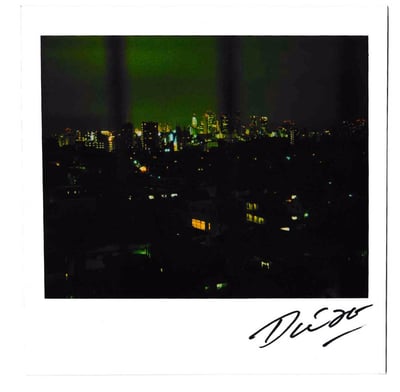
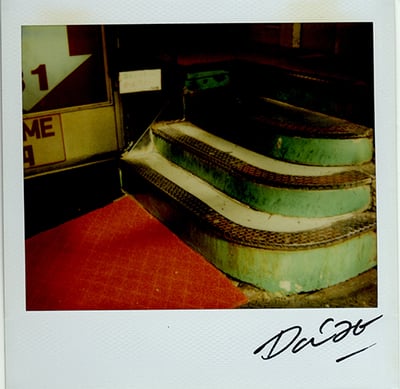
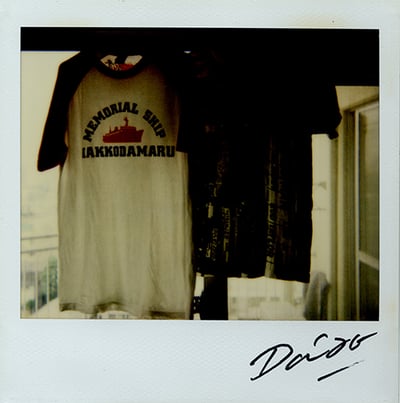
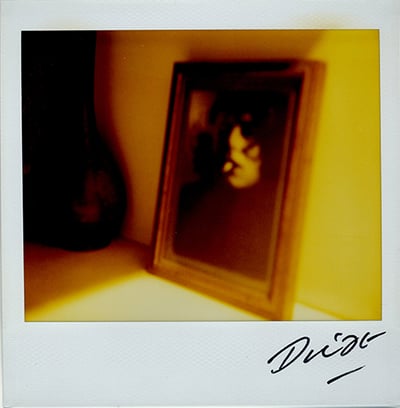
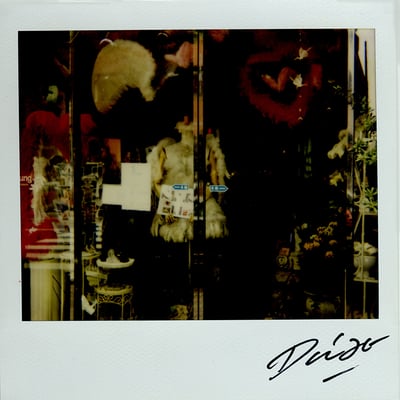
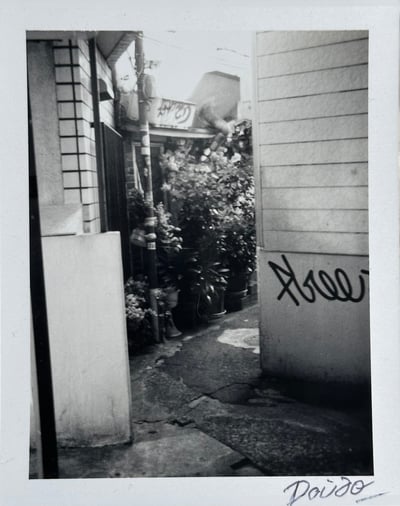
Taking Polaroid photos was when I felt the most excited and alive.
- Daido Moriyama
Daido Moriyama (b. 1938 Japan) is a pioneering figure in post-war Japanese Photography, known for his raw, grainy, and high-contrast black-and-white images. Working primarily in urban environments, Moriyama captures fleeting moments of everyday life, often exploring themes of memory, decay, and the fragmented nature of reality. He emerged during the 1960s with the Provoke movement, which challenged traditional photographic norms and embraced a more subjective, impressionistic style. His use of a handheld camera and quick shooting methods contributes to a sense of immediacy and disorientation in his work. Deeply influenced by both American street photography and Japanese avant-garde art, Moriyama’s practice questions the reliability of images and embraces imperfection. His impact on contemporary Photography is significant, with a legacy that bridges East and West, tradition and rebellion. (Artist Website)
Contemporary art refers to avant-garde or innovative art created in the recent past or present day. The exact starting point of contemporary art varies depending on the institution, often tied to the founding year of museums or galleries that showcase the style. Contemporary art is characterized by its focus on current ideas, diverse media, and the exploration of new concepts and techniques.