

Future Relic 05 - Telephone, 2016
Form
Medium
Size
- Inches
- Centimeters
Edition
Price
- USD
- EUR
- GBP
- CHF
- Authenticity Guaranteed
- Insured Shipping
- Online Since 2005
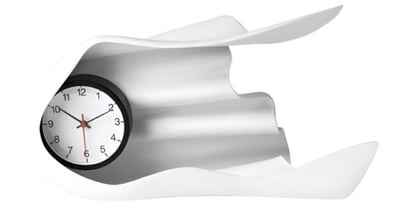
Daniel Arsham
Falling Clock, 2021
Sculpture / Object
Mixed Media
GBP 1,300

Daniel Arsham
Tropical Cave of Zeus, 2021
Limited Edition Print
Mixed Media
GBP 5,500 - 7,100

Daniel Arsham
Memory Waterfall, 2025
Limited Edition Print
Digital Print on paper
GBP 3,500 - 4,500
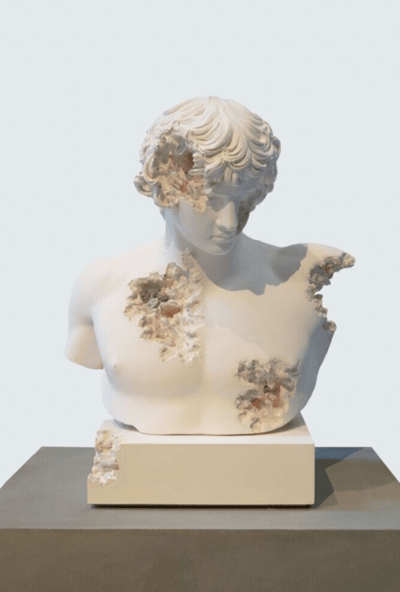
Daniel Arsham
Rose Quartz Eroded Bust of Antinous, 2021
Sculpture / Object
Mixed Media
Inquire For Price
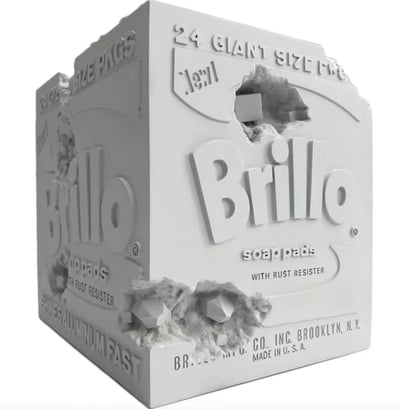
Daniel Arsham
Eroded Brillo Box Figure, 2020
Sculpture / Object
Resin
USD 4,250
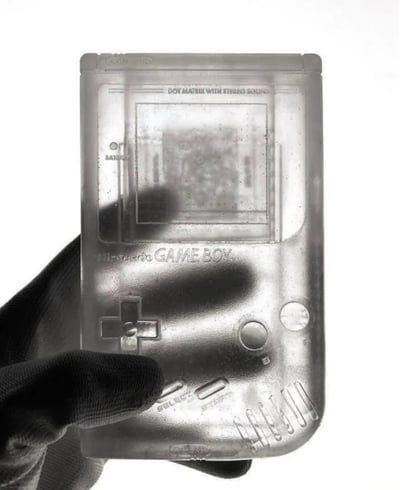
Daniel Arsham
Crystal Relic 002 - Handheld Gaming System, 2020
Sculpture / Object
Resin
GBP 2,400
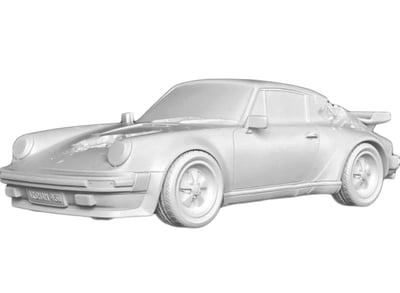
Daniel Arsham
Eroded 911 Turbo Figure (white), 2020
Sculpture / Object
Mixed Media
GBP 4,400
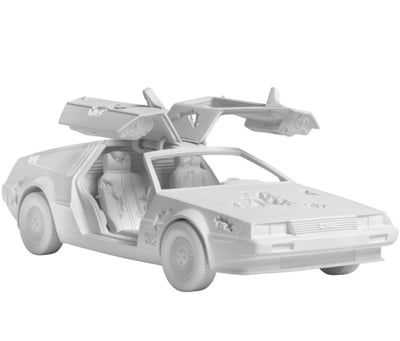
Daniel Arsham
Eroded Delorean (white), 2021
Sculpture / Object
Mixed Media
GBP 5,200

Daniel Arsham
Future Relic 05 - Telephone, 2016
Sculpture / Object
Mixed Media
GBP 8,950

Daniel Arsham
Modern Artifact 001, 2021
Sculpture / Object
Mixed Media
GBP 4,500

Daniel Arsham
Eroded Classical Prints, 2020
Limited Edition Print
Screen-print
USD 14,850

Daniel Arsham
Crystal Relic 003, 2021
Sculpture / Object
Resin
GBP 2,400

Daniel Arsham
Future Relic 07 - Cassette player, 2017
Sculpture / Object
Mixed Media
EUR 3,500 - 4,000

Daniel Arsham
Future Relic 06 - Polaroid camera, 2016
Sculpture / Object
Mixed Media
EUR 4,000 - 6,000

Daniel Arsham
Future Relic 02, 2014
Sculpture / Object
Mixed Media
EUR 6,000 - 8,000

Daniel Arsham
Future Relic 03 - Clock, 2015
Sculpture / Object
Mixed Media
USD 2,700

Daniel Arsham
Daniel Arsham X Tiffany basketball, 2022
Sculpture / Object
Mixed Media
GBP 4,000 - 6,000

Daniel Arsham
White Crystallised Mew Card, 2021
Sculpture / Object
Mixed Media
GBP 5,500 - 7,000
Related Artists
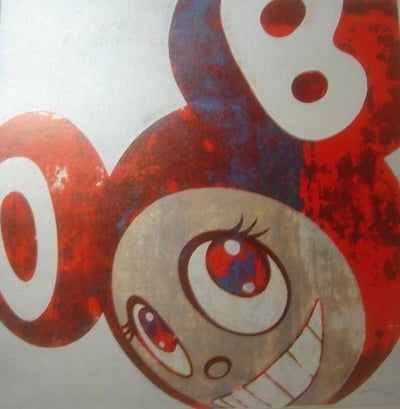

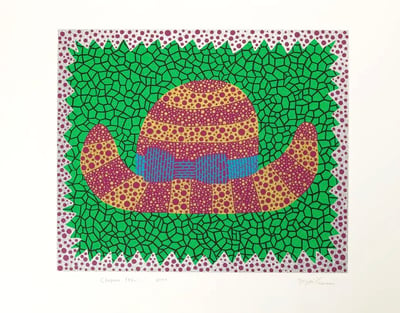

What is contemporary art?
Contemporary art refers to avant-garde or innovative art created in the recent past or present day. The exact starting point of contemporary art varies depending on the institution, often tied to the founding year of museums or galleries that showcase the style. Contemporary art is characterized by its focus on current ideas, diverse media, and the exploration of new concepts and techniques.



