

Lithograph on Somerset paper
Lissitzky-Curves Breuer UNESCO by David Diao, created in 2021, is a bold lithograph that explores the interaction of color and shape. The composition features intersecting geometric forms in vibrant red and soft green, divided by a central brown branch-like structure. The interplay between the curved and angular elements creates a dynamic sense of balance and movement. Measuring 56 x 76 cm, this limited-edition print showcases Diao's signature minimalist approach, transforming simple shapes into a striking visual dialogue of form and color.
Artwork Copyright © David DiaoDavid Diao (China/USA, 1943) is a Chinese-American artist known for his abstract paintings that blend minimalist aesthetics with personal and art historical narratives. His work often references modernist icons and explores themes of identity, displacement, and the art market. Diao's art has been exhibited internationally, including retrospectives at the Ullens Center for Contemporary Art in Beijing.
Artwork Copyright © David DiaoLissitzky-Curves Breuer UNESCO, 2021
Form
Medium
Size
- Inches
- Centimeters
Edition
Price
- USD
- EUR
- GBP
- CHF
- Authenticity Guaranteed
- Insured Shipping
- Online Since 2005
●Inventory 9968
●Signed
●Comes with gallery invoice and certificate
●Any questions?
Lithograph on Somerset paper
Lissitzky-Curves Breuer UNESCO by David Diao, created in 2021, is a bold lithograph that explores the interaction of color and shape. The composition features intersecting geometric forms in vibrant red and soft green, divided by a central brown branch-like structure. The interplay between the curved and angular elements creates a dynamic sense of balance and movement. Measuring 56 x 76 cm, this limited-edition print showcases Diao's signature minimalist approach, transforming simple shapes into a striking visual dialogue of form and color.
Artwork Copyright © David DiaoDavid Diao (China/USA, 1943) is a Chinese-American artist known for his abstract paintings that blend minimalist aesthetics with personal and art historical narratives. His work often references modernist icons and explores themes of identity, displacement, and the art market. Diao's art has been exhibited internationally, including retrospectives at the Ullens Center for Contemporary Art in Beijing.
Artwork Copyright © David DiaoAvailability
SORT BY

David Diao
Lissitzky-Letterhead, 2021
Limited Edition Print
Lithograph
EUR 2,000

David Diao
Lissitzky-Curves Breuer UNESCO, 2021
Limited Edition Print
Lithograph
EUR 2,000

David Diao
Lissitzky-Curves Herman-Miller, 2021
Limited Edition Print
Lithograph
EUR 2,000

David Diao
Without title, 2019
Limited Edition Print
Lithograph
Currently Not Available

David Diao
Berlin-Chair Unassembled 1, 2019
Limited Edition Print
Lithograph
Currently Not Available
Related Artists



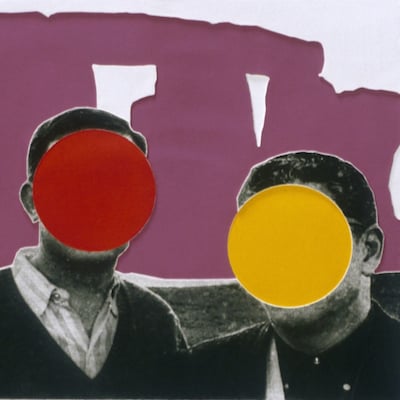
Artwork by John Baldessari
What is conceptual art?
Sometimes referred to as Conceptualism, this is an art form where the idea(s) or concept(s) behind the work take precedence over material concerns and traditional aesthetics. Many conceptual artworks can be created by anyone simply by following written instructions. The concept or idea is the most essential aspect of the artwork.


David Diao
Lissitzky-Curves Breuer UNESCO, 2021
56 x 76 cm


