
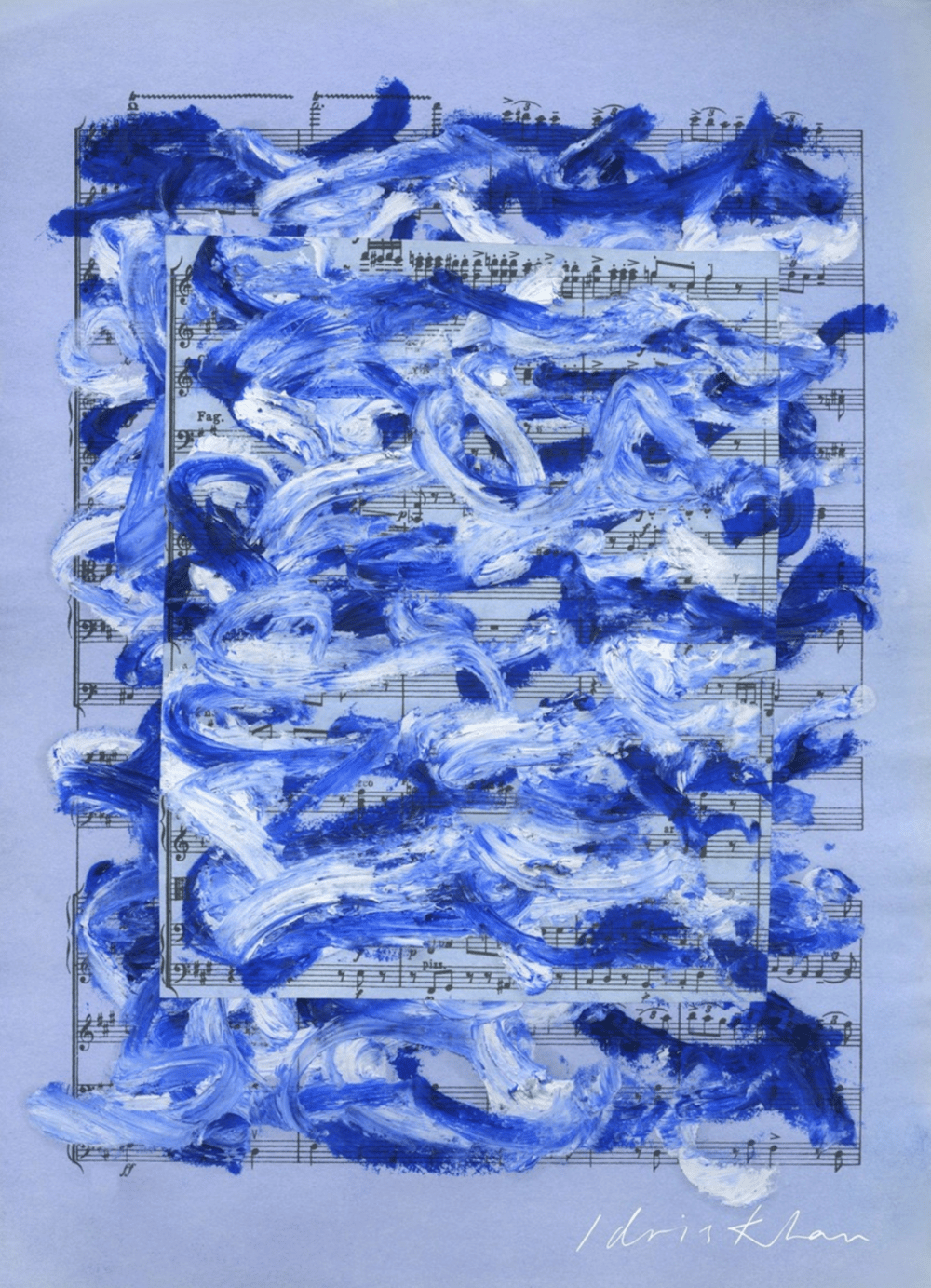
Archival Inkjet with Varnish Screenprint overlay, Collage. Hand signed and numbered by the artist.
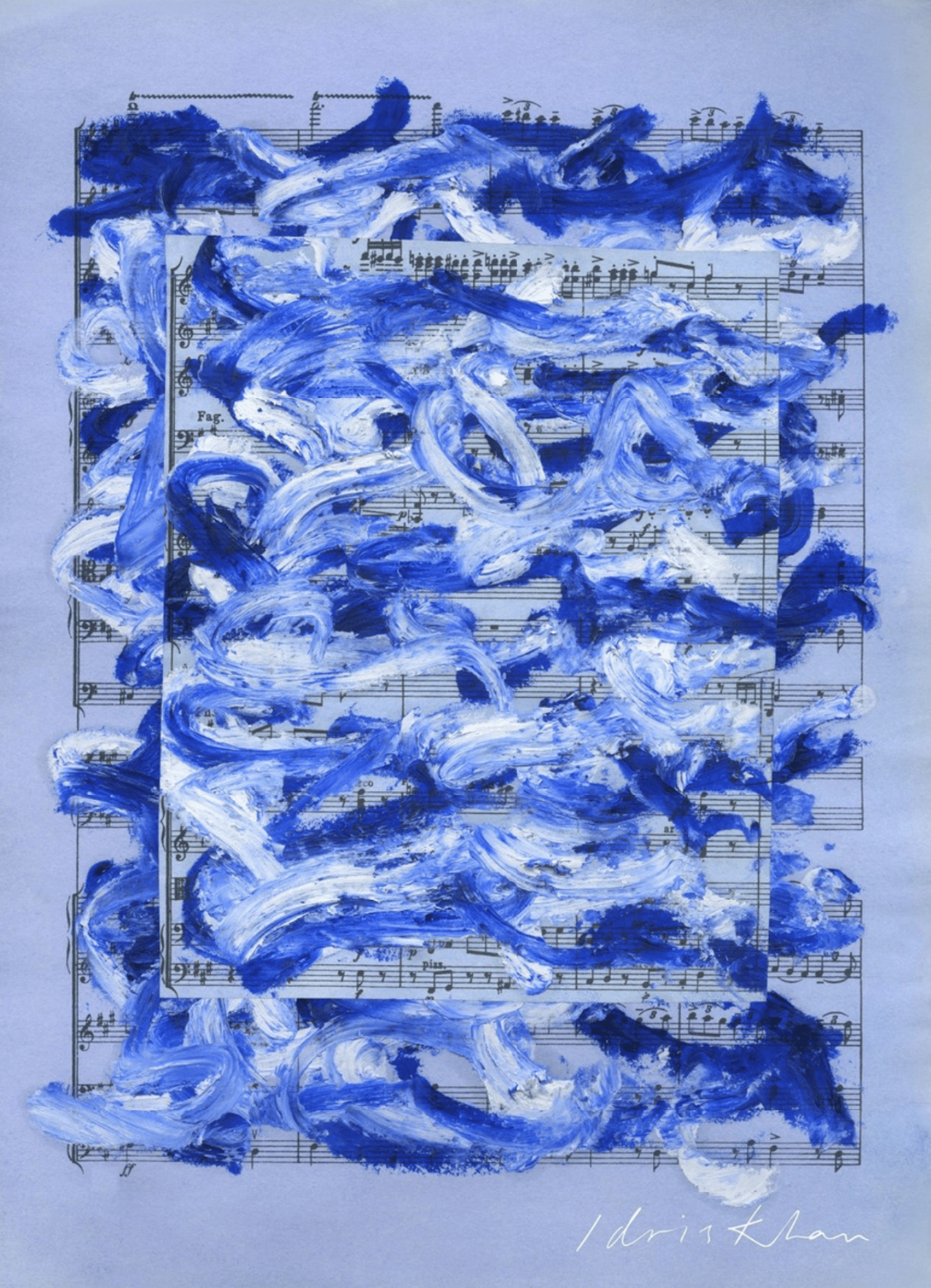
This evocative work by Idris Khan layers archival inkjet printing with varnish screenprint overlay and collage in his characteristic approach to language, memory, and accumulated meaning. Dense, overlapping passages of text dissolve into a rich, atmospheric surface where legibility gives way to pure visual texture — a meditation on the weight of words and the impossibility of grasping them all at once. Influenced by Sufi poetry and the repetitive structures of music, Khan’s practice transforms printed language into a form of visual contemplation. Hand-signed and numbered from an edition of one hundred.
Artwork Copyright © Idris KhanIdris Khan (United Kingdom, 1978) creates layered photographs, prints, and paintings that merge literature, music, and history into dense visual fields. Known for digitally superimposing texts, musical scores, and archival images, his work explores memory, time, and authorship, producing rhythmic, almost abstract compositions with conceptual depth.
Artwork Copyright © Idris KhanLong Live Love, 2020
Form
Medium
Size
- Inches
- Centimeters
Edition
Price
- USD
- EUR
- GBP
- CHF
- Authenticity Guaranteed
- Insured Shipping
- Online Since 2005
●Inventory 17358
●Signed
●Comes with gallery invoice and certificate
●Sell Us a Similar Artwork. Learn more.
Archival Inkjet with Varnish Screenprint overlay, Collage. Hand signed and numbered by the artist.
This evocative work by Idris Khan layers archival inkjet printing with varnish screenprint overlay and collage in his characteristic approach to language, memory, and accumulated meaning. Dense, overlapping passages of text dissolve into a rich, atmospheric surface where legibility gives way to pure visual texture — a meditation on the weight of words and the impossibility of grasping them all at once. Influenced by Sufi poetry and the repetitive structures of music, Khan’s practice transforms printed language into a form of visual contemplation. Hand-signed and numbered from an edition of one hundred.
Artwork Copyright © Idris KhanIdris Khan (United Kingdom, 1978) creates layered photographs, prints, and paintings that merge literature, music, and history into dense visual fields. Known for digitally superimposing texts, musical scores, and archival images, his work explores memory, time, and authorship, producing rhythmic, almost abstract compositions with conceptual depth.
Artwork Copyright © Idris Khan- Recently Added
- Price (Low-High)
- Price (High-Low)
- Year (Low-High)
- Year (High-Low)
Idris Khan
Long Live Love, 2020
Limited Edition Print
Collage
GBP 2,500

Idris Khan
I Thought We Had More Time, 2022
Limited Edition Print
Archival Print
GBP 1,850

Idris Khan
Death of Painting, 2014
Limited Edition Print
Lithograph
GBP 3,000
Related Artists
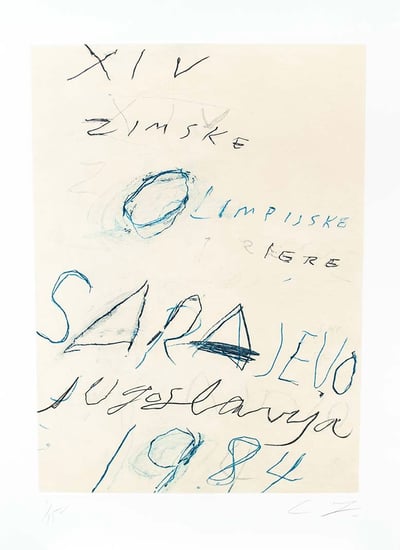
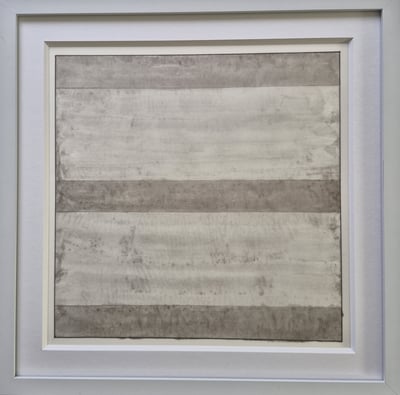

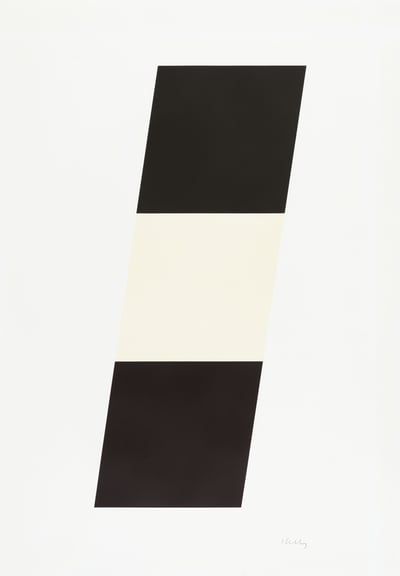

Artwork by Agnes Martin
What is minimalism?
Minimalism is a style in music and visual arts characterized by pared-down designs and simplicity. It began in Western art after World War II, gaining prominence particularly in American visual arts. Minimalism draws heavily on aspects of modernism and is often viewed as a reaction against Abstract Expressionism, as well as a precursor to post-minimal art practices. Prominent minimalist artists include Agnes Martin, Donald Judd, Robert Morris, Frank Stella, and Dan Flavin.

Idris Khan
Long Live Love, 2020
30 x 21 cm


