
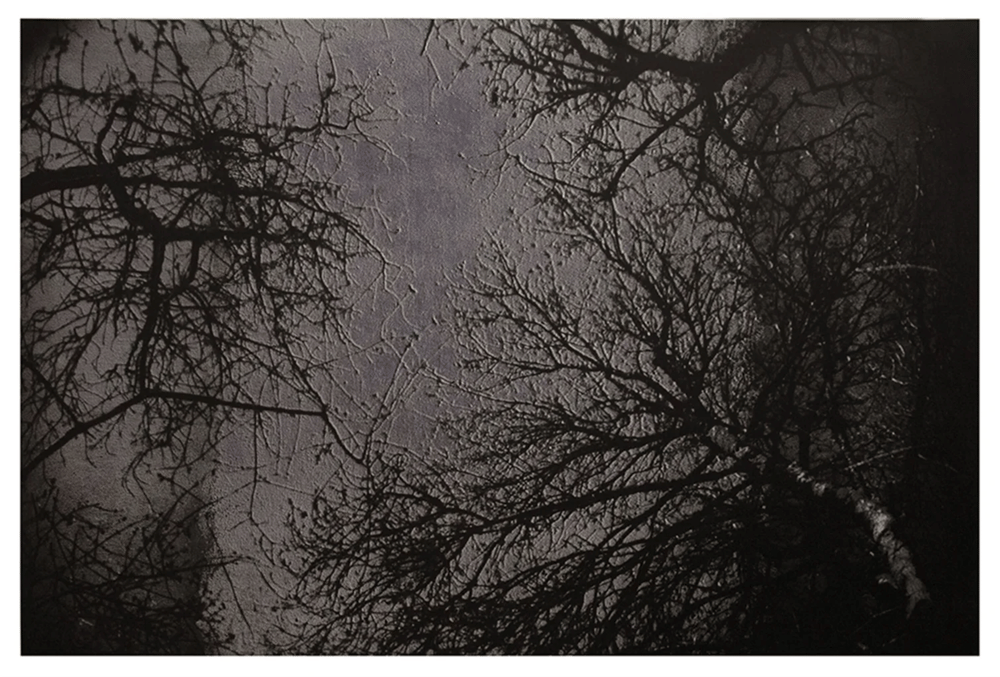
Polymer gravure etchings on paper.
Hand-signed.
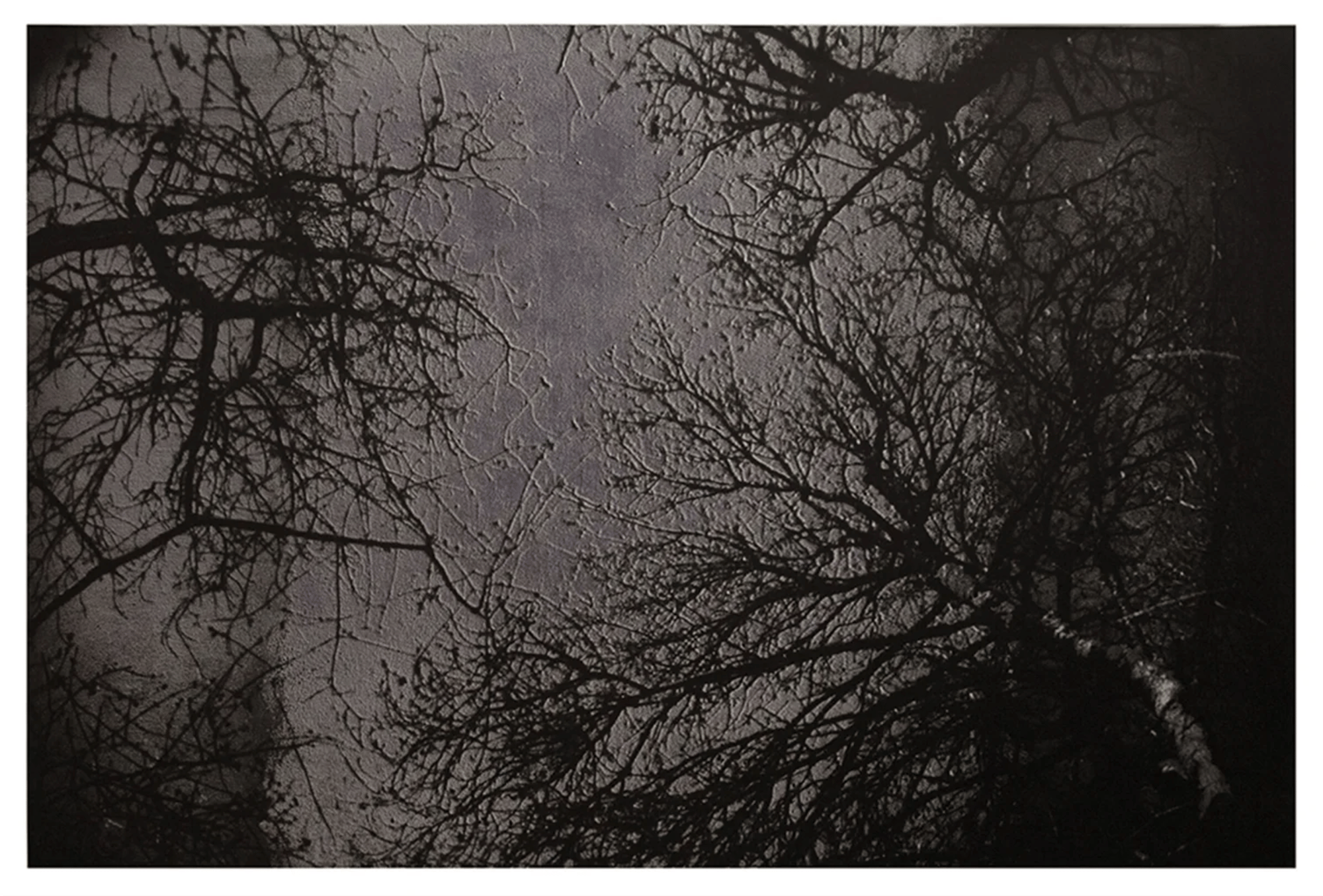
James Turrell’s Aqua Oscura (Spring) (2015) is a polymer gravure etching that reflects the artist’s long-standing exploration of perception, light, and spatial awareness. Unlike Turrell’s immersive installations, this work turns attention toward the quiet poetry of nature. Dark silhouettes of leafless tree branches spread across the composition, their intricate networks set against a luminous grey sky. The image appears almost abstract at first glance, dissolving the distinction between reflection and reality, depth and surface. The title, combining the Latin words for water and darkness, suggests a meditative encounter with natural phenomena and the act of seeing itself. Printed in an edition of 30 and hand-signed by the artist, Aqua Oscura (Spring) extends Turrell’s investigation of visual experience into the medium of print, inviting prolonged contemplation of light, atmosphere, and perception.
Artwork Copyright © James TurrellJames Turrell (USA, 1943) is a leading light and space artist. Renowned for immersive installations, he manipulates perception with color and form, turning light into a tangible medium. His monumental 'Roden Crater' project transforms an extinct volcano into a celestial observatory, blending art, science, and nature.
Artwork Copyright © James TurrellAqua Oscura (Spring), 2015
Form
Medium
Size
- Inches
- Centimeters
Edition
Price
- Authenticity Guaranteed
- Insured Shipping
- Online Since 2005
●Inventory 17606
●Signed
●Comes with gallery invoice and certificate
●Sell Us a Similar Artwork. Learn more.
Polymer gravure etchings on paper.
Hand-signed.
James Turrell’s Aqua Oscura (Spring) (2015) is a polymer gravure etching that reflects the artist’s long-standing exploration of perception, light, and spatial awareness. Unlike Turrell’s immersive installations, this work turns attention toward the quiet poetry of nature. Dark silhouettes of leafless tree branches spread across the composition, their intricate networks set against a luminous grey sky. The image appears almost abstract at first glance, dissolving the distinction between reflection and reality, depth and surface. The title, combining the Latin words for water and darkness, suggests a meditative encounter with natural phenomena and the act of seeing itself. Printed in an edition of 30 and hand-signed by the artist, Aqua Oscura (Spring) extends Turrell’s investigation of visual experience into the medium of print, inviting prolonged contemplation of light, atmosphere, and perception.
Artwork Copyright © James TurrellJames Turrell (USA, 1943) is a leading light and space artist. Renowned for immersive installations, he manipulates perception with color and form, turning light into a tangible medium. His monumental 'Roden Crater' project transforms an extinct volcano into a celestial observatory, blending art, science, and nature.
Artwork Copyright © James TurrellAvailability
Size
SORT BY
James Turrell
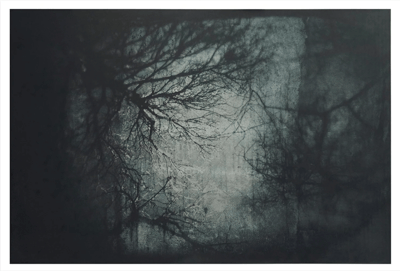
Aqua Oscura (Winter), 2015
Limited Edition Print
Etching
GBP 7,800 - 10,000
James Turrell
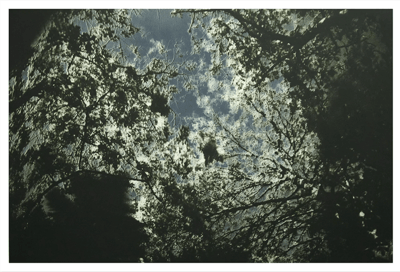
Aqua Oscura (Summer), 2015
Limited Edition Print
Etching
GBP 7,800 - 10,000
James Turrell
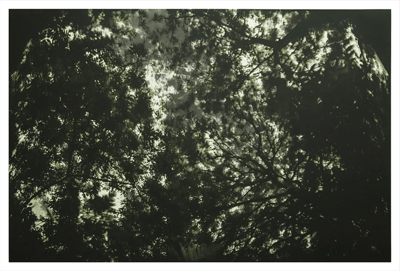
Aqua Oscura (Autumn), 2015
Limited Edition Print
Etching
GBP 7,800 - 10,000
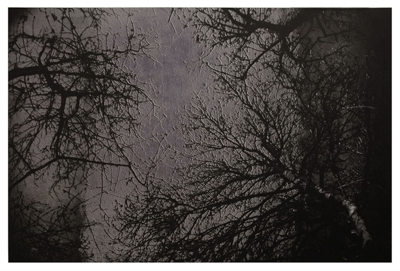
James Turrell
Aqua Oscura (Spring), 2015
Limited Edition Print
Etching
GBP 7,800 - 10,000
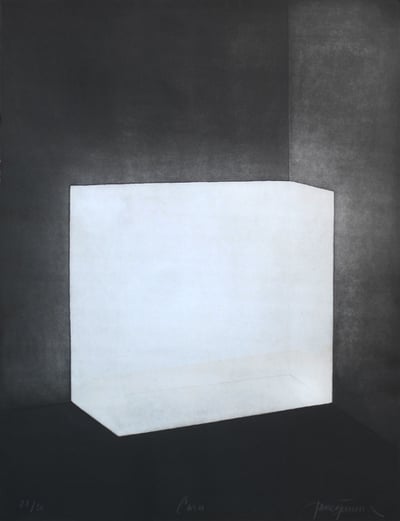
James Turrell
Carn, 1988
Limited Edition Print
Etching
Currently Not Available
Related Artists

Artwork by John Baldessari
What is conceptual art?
Sometimes referred to as Conceptualism, this is an art form where the idea(s) or concept(s) behind the work take precedence over material concerns and traditional aesthetics. Many conceptual artworks can be created by anyone simply by following written instructions. The concept or idea is the most essential aspect of the artwork.
James Turrell
Aqua Oscura (Spring), 2015
84.5 x 119.5 cm


