


Partir (F232), 2001
Form
Medium
Size
- Inches
- Centimeters
Edition
Price
- Authenticity Guaranteed
- Insured Shipping
- Online Since 2005
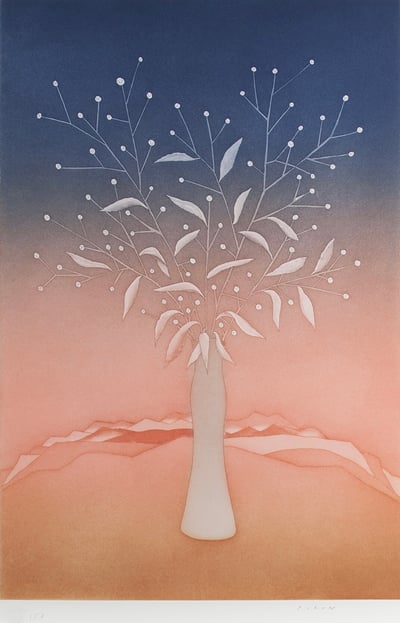
Jean-Michel Folon
Tennis tree
Limited Edition Print
Etching and Aquatint
EUR 4,200
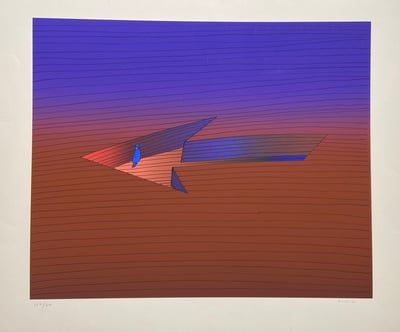
Jean-Michel Folon
Le chemin, 1985
Limited Edition Print
Silkscreen
EUR 1,500

Jean-Michel Folon
Untitled (unique Gouache)
Painting
Gouache
USD 10,900

Jean-Michel Folon
Je vous ecris de Coney Island , 1986
Limited Edition Print
Silkscreen
USD 990

Jean-Michel Folon
Je vous ecris de New York , 1986
Limited Edition Print
Silkscreen
USD 990

Jean-Michel Folon
Je vous ecris de Mt. Fuji, 1986
Limited Edition Print
Silkscreen
USD 990

Jean-Michel Folon
Je vous ecris de Florida, 1986
Limited Edition Print
Silkscreen
USD 990

Jean-Michel Folon
Je vous ecris de California, 1986
Limited Edition Print
Silkscreen
USD 990

Jean-Michel Folon
Je vous ecris de China, 1986
Limited Edition Print
Silkscreen
USD 990

Jean-Michel Folon
Je vous ecris des montagnes Rocherrses, 1986
Limited Edition Print
Silkscreen
USD 990

Jean-Michel Folon
Je vous ecris des cyclades, 1986
Limited Edition Print
Silkscreen
USD 990
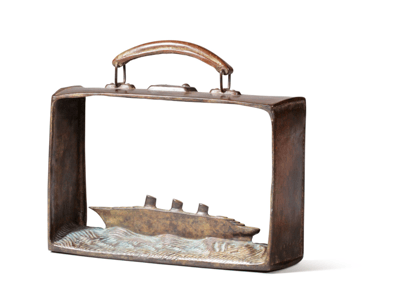
Jean-Michel Folon
Partir (F232), 2001
Sculpture / Object
Bronze
Currently Not Available
Available works by Jean-Michel Folon
See all →Jean-Michel Folon
Tennis tree
Limited Edition Print
Etching and Aquatint
EUR 4,200
Jean-Michel Folon
Le chemin, 1985
Limited Edition Print
Silkscreen
EUR 1,500
Jean-Michel Folon
Untitled (unique Gouache)
Painting
Gouache
USD 10,900
Jean-Michel Folon
Je vous ecris de Coney Island , 1986
Limited Edition Print
Silkscreen
USD 990
Jean-Michel Folon
Je vous ecris de New York , 1986
Limited Edition Print
Silkscreen
USD 990
Jean-Michel Folon
Je vous ecris de Mt. Fuji, 1986
Limited Edition Print
Silkscreen
USD 990
Related Artists
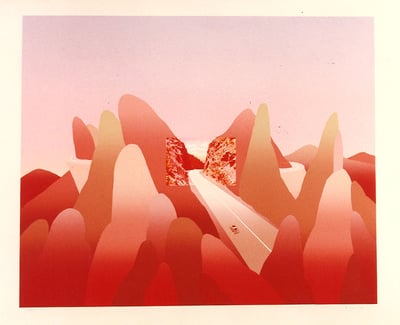

What is figurative art?
Sometimes known as Figurativism, figurative art refers to sculptures and paintings that are clearly or specifically derived from real objects, making them representational. The term figurative art is often used in contrast to abstract art. However, since the emergence of abstract art, figurative art has come to describe any form of modern art that has strong references to the real world or actual situations.



