

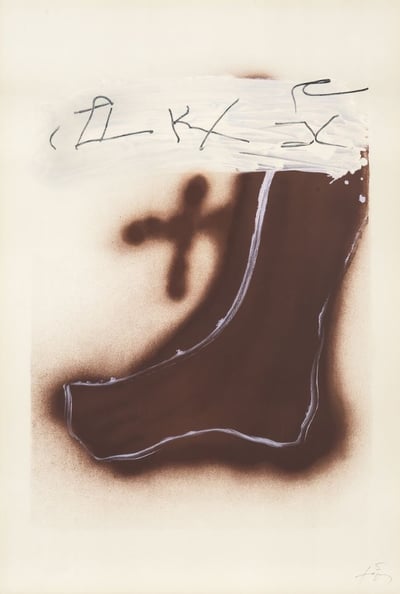
Familia, 1989
Form
Medium
Size
- Inches
- Centimeters
Edition
Price
- Authenticity Guaranteed
- Insured Shipping
- Online Since 2005

Joan Brossa
Poema visual 32, 1989
Limited Edition Print
Lithograph
EUR 1,000

Joan Brossa
Miami beach, 1989
Limited Edition Print
Lithograph
EUR 1,000

Joan Brossa
Rails, 1989
Limited Edition Print
Lithograph
EUR 1,000

Joan Brossa
Poema visual 20, 1989
Limited Edition Print
Lithograph
EUR 1,000

Joan Brossa
Poema visual 19, 1989
Limited Edition Print
Lithograph
EUR 1,000

Joan Brossa
Signes 12, 1989
Limited Edition Print
Lithograph
EUR 1,000
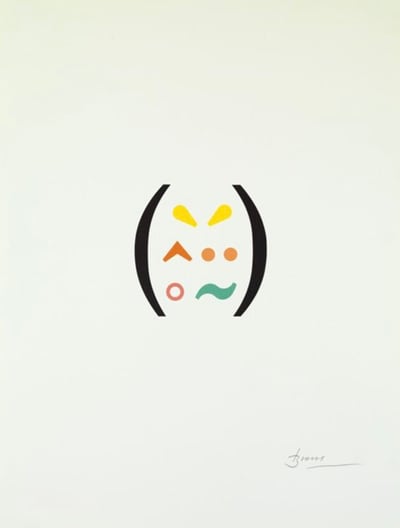
Joan Brossa
Signes 11, 1989
Limited Edition Print
Lithograph
EUR 1,000

Joan Brossa
Poema visual 6, 1989
Limited Edition Print
Lithograph
EUR 1,000
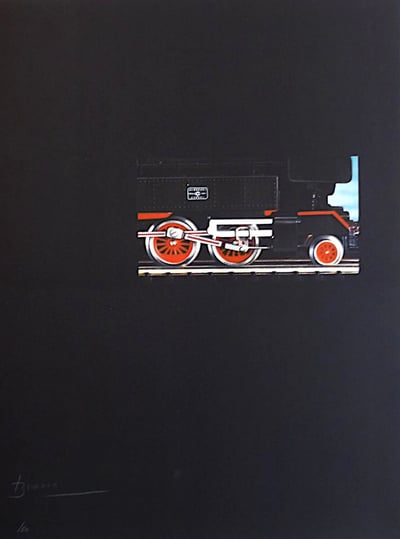
Joan Brossa
Túnel, 1989
Limited Edition Print
Lithograph
EUR 1,000
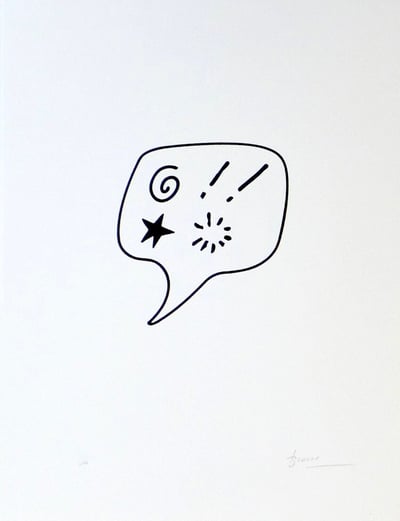
Joan Brossa
Blasfèmia, 1989
Limited Edition Print
Lithograph
EUR 1,000
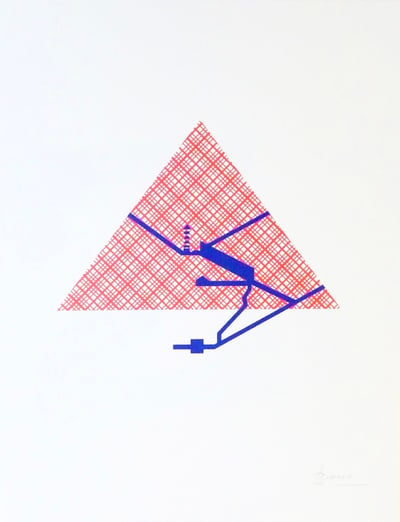
Joan Brossa
Poema visual 25, 1989
Limited Edition Print
Lithograph
EUR 1,000
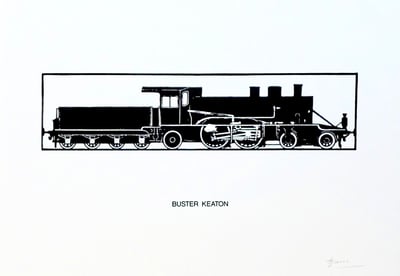
Joan Brossa
Buster Keaton , 1989
Limited Edition Print
Lithograph
EUR 1,000
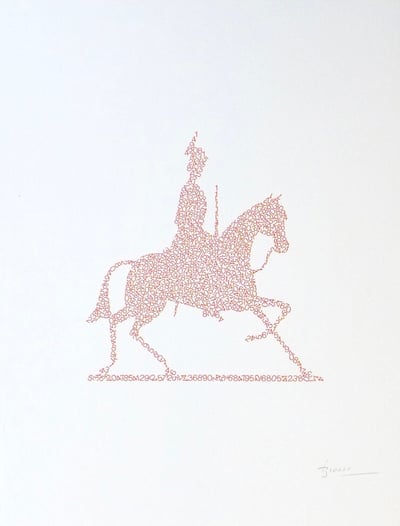
Joan Brossa
Poema visual 4, 1989
Limited Edition Print
Lithograph
EUR 1,000
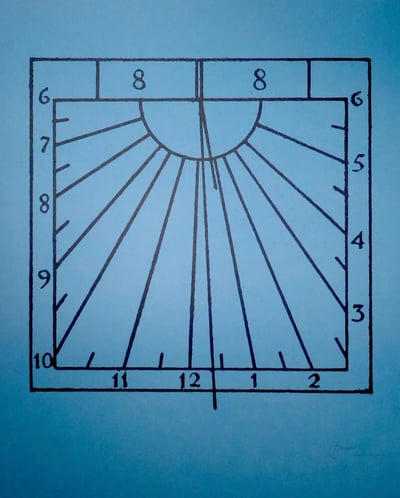
Joan Brossa
Rellotge de sol, 1989
Limited Edition Print
Lithograph
EUR 1,000
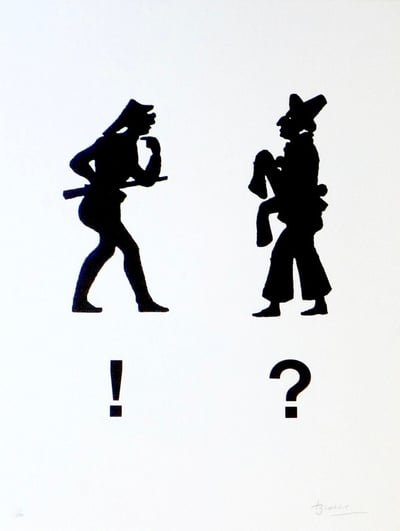
Joan Brossa
Diàleg, 1989
Limited Edition Print
Lithograph
EUR 1,000
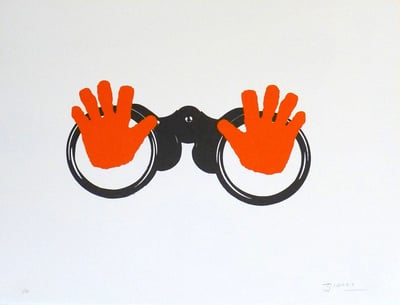
Joan Brossa
Poema visual 16, 1989
Limited Edition Print
Lithograph
EUR 1,000
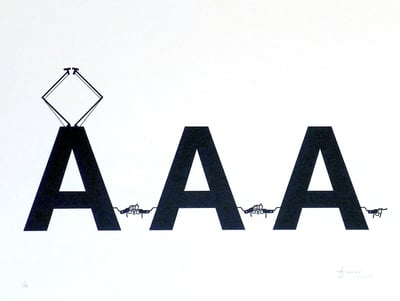
Joan Brossa
Comboi, 1989
Limited Edition Print
Lithograph
EUR 1,000
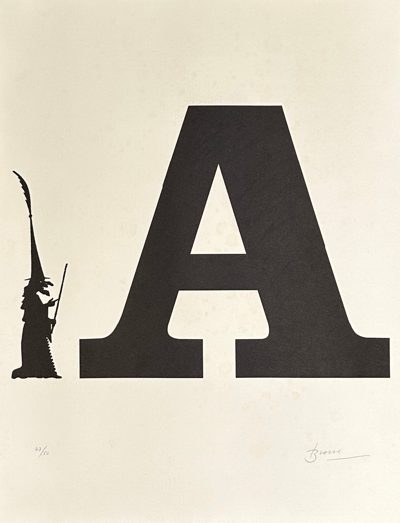
Joan Brossa
Poema visual 5, 1989
Limited Edition Print
Lithograph
EUR 1,000
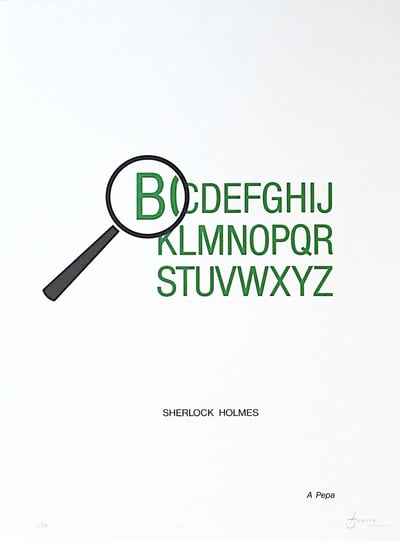
Joan Brossa
Sherlock Holmes, 1989
Limited Edition Print
Lithograph
Currently Not Available
Available works by Joan Brossa
See all →Joan Brossa
Poema visual 32, 1989
Limited Edition Print
Lithograph
EUR 1,000
Joan Brossa
Miami beach, 1989
Limited Edition Print
Lithograph
EUR 1,000
Joan Brossa
Rails, 1989
Limited Edition Print
Lithograph
EUR 1,000
Joan Brossa
Poema visual 20, 1989
Limited Edition Print
Lithograph
EUR 1,000
Joan Brossa
Poema visual 19, 1989
Limited Edition Print
Lithograph
EUR 1,000
Joan Brossa
Signes 12, 1989
Limited Edition Print
Lithograph
EUR 1,000
Related Artists



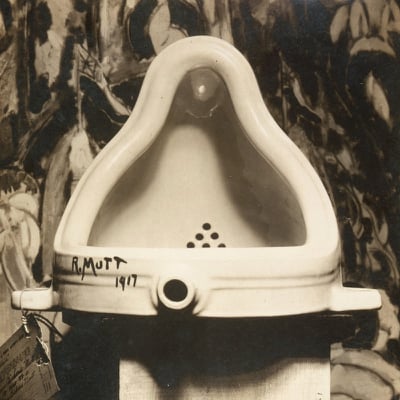
What is Found Object?
A found object is a term used to describe a man-made or natural object, or a fragment of one, that an artist discovers or purchases and keeps for inspiration or as a work of art. The artist may also modify the object or incorporate it into a collage or assemblage, transforming it into a new piece of art.


