

Sherlock Holmes, 1989
Form
Medium
Size
- Inches
- Centimeters
Edition
Price
- Authenticity Guaranteed
- Insured Shipping
- Online Since 2005

Joan Brossa
Poema visual 32, 1989
Limited Edition Print
Lithograph
EUR 1,000

Joan Brossa
Miami beach, 1989
Limited Edition Print
Lithograph
EUR 1,000

Joan Brossa
Rails, 1989
Limited Edition Print
Lithograph
EUR 1,000

Joan Brossa
Poema visual 20, 1989
Limited Edition Print
Lithograph
EUR 1,000

Joan Brossa
Poema visual 19, 1989
Limited Edition Print
Lithograph
EUR 1,000

Joan Brossa
Signes 12, 1989
Limited Edition Print
Lithograph
EUR 1,000
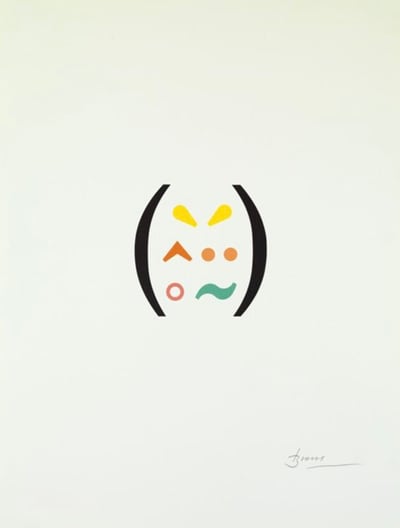
Joan Brossa
Signes 11, 1989
Limited Edition Print
Lithograph
EUR 1,000

Joan Brossa
Poema visual 6, 1989
Limited Edition Print
Lithograph
EUR 1,000
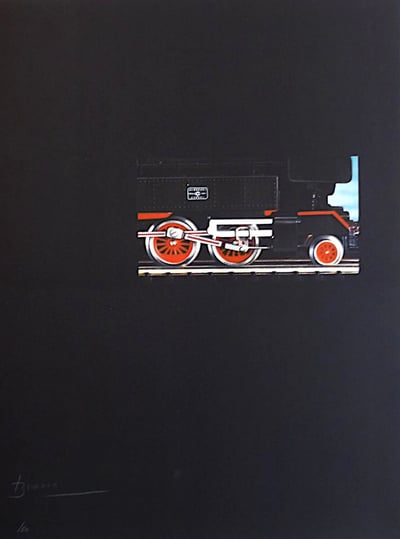
Joan Brossa
Túnel, 1989
Limited Edition Print
Lithograph
EUR 1,000
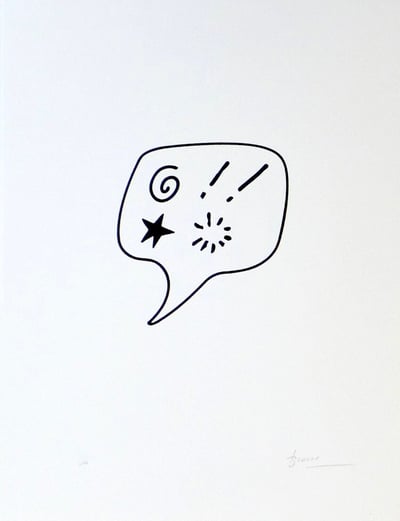
Joan Brossa
Blasfèmia, 1989
Limited Edition Print
Lithograph
EUR 1,000
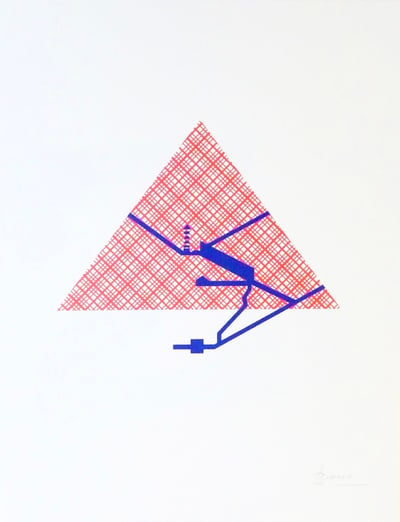
Joan Brossa
Poema visual 25, 1989
Limited Edition Print
Lithograph
EUR 1,000

Joan Brossa
Buster Keaton , 1989
Limited Edition Print
Lithograph
EUR 1,000
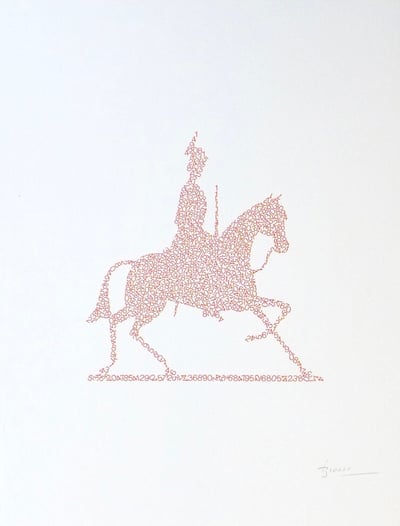
Joan Brossa
Poema visual 4, 1989
Limited Edition Print
Lithograph
EUR 1,000
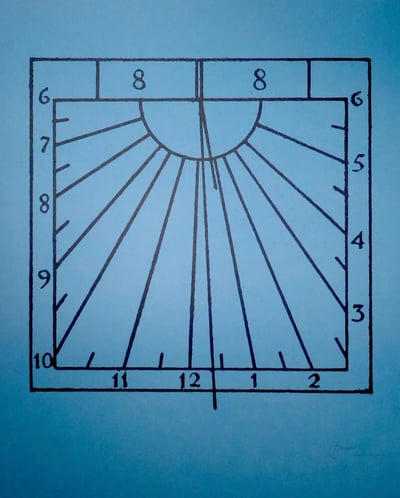
Joan Brossa
Rellotge de sol, 1989
Limited Edition Print
Lithograph
EUR 1,000
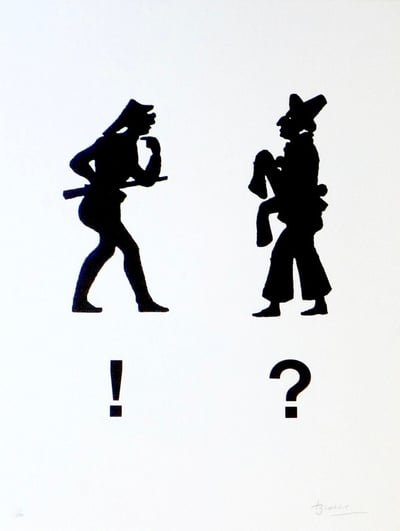
Joan Brossa
Diàleg, 1989
Limited Edition Print
Lithograph
EUR 1,000
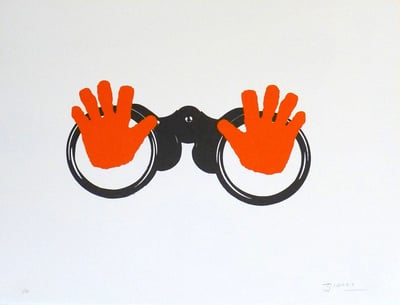
Joan Brossa
Poema visual 16, 1989
Limited Edition Print
Lithograph
EUR 1,000
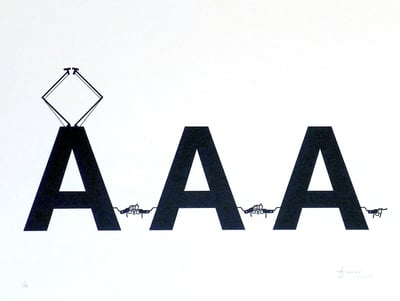
Joan Brossa
Comboi, 1989
Limited Edition Print
Lithograph
EUR 1,000
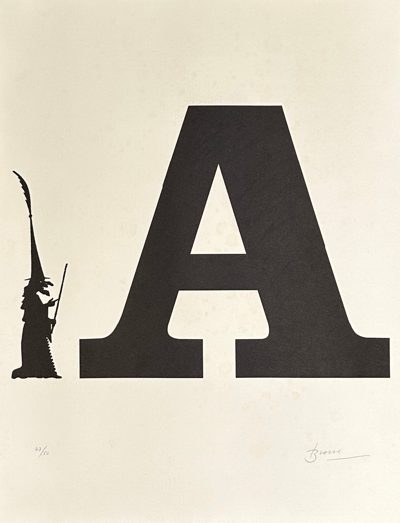
Joan Brossa
Poema visual 5, 1989
Limited Edition Print
Lithograph
EUR 1,000

Joan Brossa
Sherlock Holmes, 1989
Limited Edition Print
Lithograph
Currently Not Available
Available works by Joan Brossa
See all →Joan Brossa
Poema visual 32, 1989
Limited Edition Print
Lithograph
EUR 1,000
Joan Brossa
Miami beach, 1989
Limited Edition Print
Lithograph
EUR 1,000
Joan Brossa
Rails, 1989
Limited Edition Print
Lithograph
EUR 1,000
Joan Brossa
Poema visual 20, 1989
Limited Edition Print
Lithograph
EUR 1,000
Joan Brossa
Poema visual 19, 1989
Limited Edition Print
Lithograph
EUR 1,000
Joan Brossa
Signes 12, 1989
Limited Edition Print
Lithograph
EUR 1,000
Related Artists



What is Futurism?
Futurism was an early 20th-century art movement that sought to capture the energy and dynamism of the modern world. The movement was launched by Italian poet Filippo Tommaso Marinetti, who published the Manifesto of Futurism on February 20, 1909. Futurism denounced the past and passionately embraced technology, industry, and the speed of modern life.


Joan Brossa
Sherlock Holmes, 1989
50 x 38 cm


