

Framed
Artwork Copyright © Lee UfanLee Ufan (South Korea, 1936) is a pivotal figure in the Mono-ha movement. His minimalist works explore the relationship between materials and space, often juxtaposing natural and industrial elements. Known for meditative sculptures and restrained paintings, Lee’s art invites contemplation and emphasizes harmony between human presence and the natural world.
Artwork Copyright © Lee UfanDalla Memoria Di Una Citta #1, 1989
Form
Medium
Size
- Inches
- Centimeters
Edition
Price
Available works →
- Authenticity Guaranteed
- Insured Shipping
- Online Since 2005
●
●Inventory 4698
●Signed
●Comes with gallery invoice and certificate
●Sell Us a Similar Artwork. Learn more.
Framed
Artwork Copyright © Lee UfanLee Ufan (South Korea, 1936) is a pivotal figure in the Mono-ha movement. His minimalist works explore the relationship between materials and space, often juxtaposing natural and industrial elements. Known for meditative sculptures and restrained paintings, Lee’s art invites contemplation and emphasizes harmony between human presence and the natural world.
Artwork Copyright © Lee Ufan- Recently Added
- Price (Low-High)
- Price (High-Low)
- Year (Low-High)
- Year (High-Low)

Lee Ufan
Lee UFAN | Dalla Memoria Di Una Citta #3, 1989
Limited Edition Print
Lithograph
Currently Not Available
Related Artists
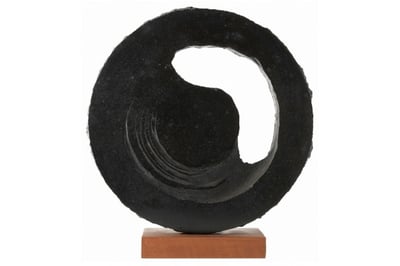

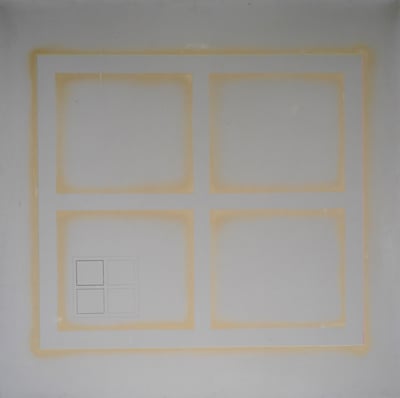
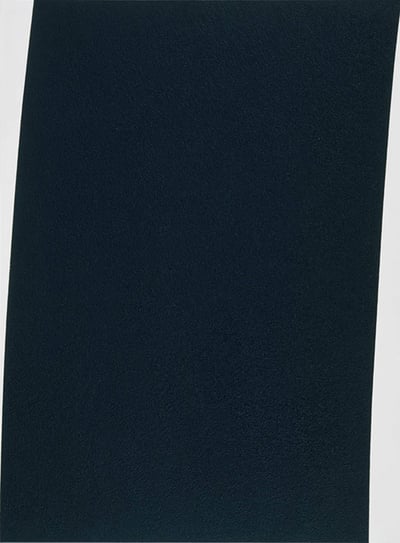
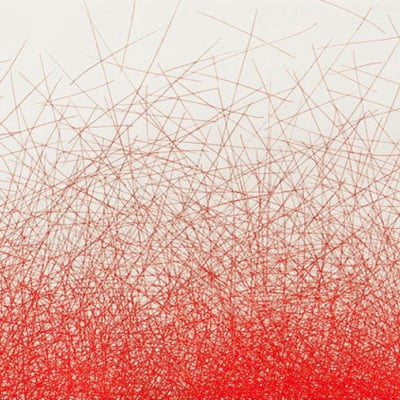
Artwork by Il Lee for sale on composition
What is Dansaekhwa?
Tansaekhwa, also known as monochrome painting, is a movement in Korean art that began in the mid-1970s. These artworks are characterized by the manipulation of painting materials, such as pushing paint, soaking the canvas, ripping paper, or other techniques that alter the medium. Tansaekhwa emphasizes texture, materiality, and the physical process of creating the artwork.


