


'Standing Woman' by Livia Canestraro is a bronze sculpture depicting a stylized female figure with elongated proportions and simplified anatomical forms. The figure stands upright with arms crossed protectively over the torso, emphasizing themes of introspection and bodily presence. Smooth, polished surfaces contrast with subtly textured areas, particularly on the legs and base, creating visual depth. The accentuated breasts and elongated neck draw attention to the sculpture’s verticality and symbolic femininity. Rooted in modern figurative traditions, the work reflects a balance between abstraction and corporeality, inviting contemplation of identity, strength, and vulnerability.
Artwork Copyright © Livia CanestraroLivia Canestraro (Rome, 1936) is a Belgian sculptor and painter known for her figurative public artworks. Working often with her husband, Stefaan Depuydt, she created sculptures that combine human warmth with civic presence. Her best-known works in Bruges reflect a late modern style rooted in public space, architecture, and accessible emotion.
Artwork Copyright © Livia CanestraroStanding Woman
Form
Medium
Size
- Inches
- Centimeters
Edition
Price
- USD
- EUR
- GBP
- CHF
- Authenticity Guaranteed
- Insured Shipping
- Online Since 2005
●Inventory 16778
●In the base
●Comes with gallery invoice and certificate
●Sell Us a Similar Artwork. Learn more.
'Standing Woman' by Livia Canestraro is a bronze sculpture depicting a stylized female figure with elongated proportions and simplified anatomical forms. The figure stands upright with arms crossed protectively over the torso, emphasizing themes of introspection and bodily presence. Smooth, polished surfaces contrast with subtly textured areas, particularly on the legs and base, creating visual depth. The accentuated breasts and elongated neck draw attention to the sculpture’s verticality and symbolic femininity. Rooted in modern figurative traditions, the work reflects a balance between abstraction and corporeality, inviting contemplation of identity, strength, and vulnerability.
Artwork Copyright © Livia CanestraroLivia Canestraro (Rome, 1936) is a Belgian sculptor and painter known for her figurative public artworks. Working often with her husband, Stefaan Depuydt, she created sculptures that combine human warmth with civic presence. Her best-known works in Bruges reflect a late modern style rooted in public space, architecture, and accessible emotion.
Artwork Copyright © Livia Canestraro- Recently Added
- Price (Low-High)
- Price (High-Low)
- Year (Low-High)
- Year (High-Low)
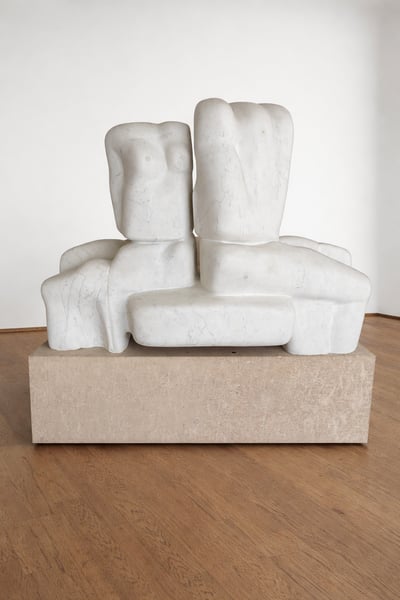
Livia Canestraro
Seated Couple, ca 1985
Sculpture / Object
Marble
EUR 17,500

Livia Canestraro
Standing Woman
Sculpture / Object
Bronze
EUR 15,000
Related Artists

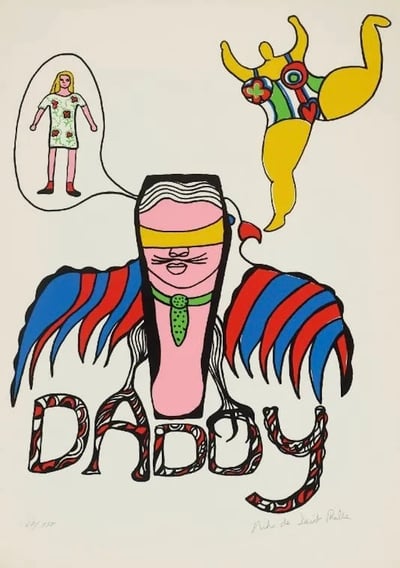
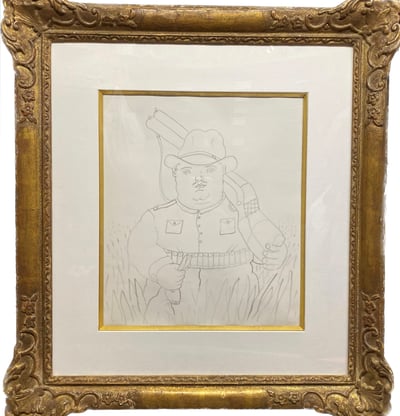
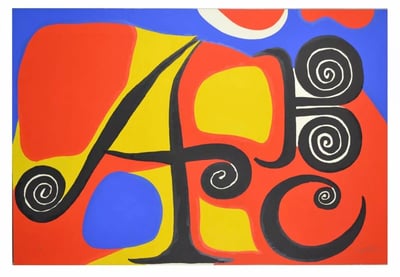

Artwork by Louise Bourgeois
What is Postmodernism?
Postmodernism is an art movement that emerged as a reaction against authority and traditional boundaries, seeking to blur the lines between art and everyday life. It aimed to bridge the gap between the cultural elite and the general public by embracing eclectic mixtures of earlier conventions and styles. Postmodernist art often challenges established norms and celebrates diversity, irony, and pastiche, making it a movement that reflects the complexities of contemporary culture.



